









FAQs
5/28/2026
Contents
Products
Residential Lawns






Commercial Landscapes
Explore
Where to Buy


Most mower bolts follow standard patterns, but manufacturers might swap to reverse threads to keep blades tight during high-speed rotation. Before applying pressure, check your owner’s manual or look for "LH" stamps on the bolt head. Identify the correct turn direction to prevent stripped threads and save your spindle from damage.
It can be confusing to change a lawn mower blade. For instance, some people are not sure which direction to turn and wonder whether they might actually be tightening it. That leads to a very common question: Are lawn mower blades reverse threaded? In this guide, we will clear up the confusion. Let’s see how mower blade bolts are threaded, which way they unscrew, how to identify the correct direction, and the safest way to remove them without causing damage.
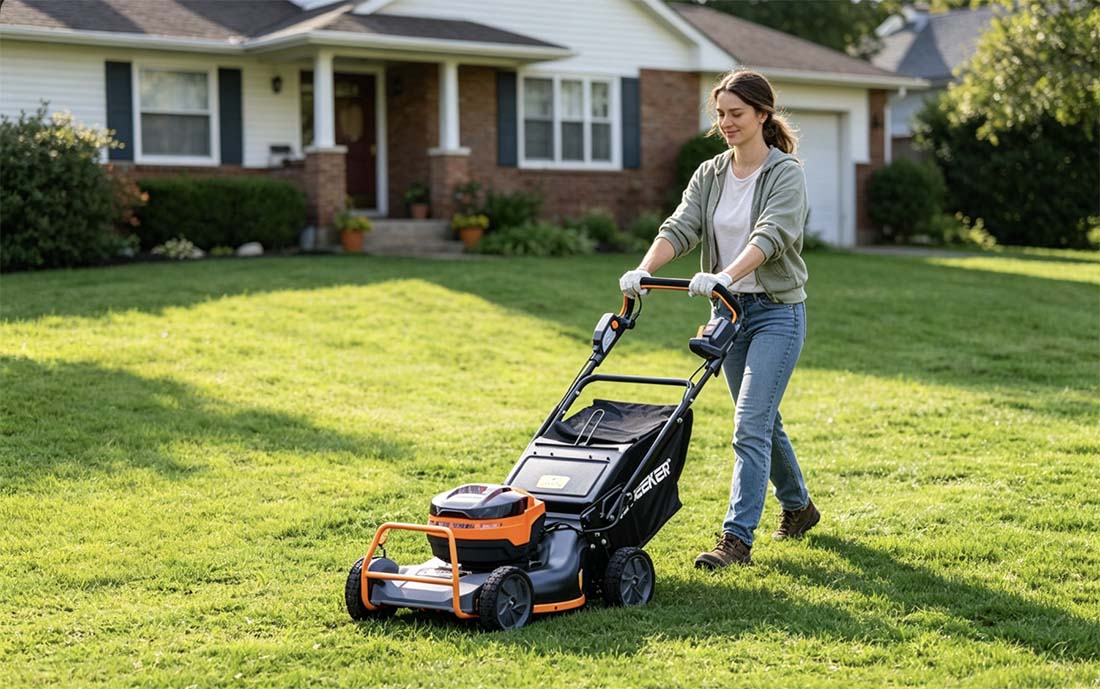
Lawn mower blades are not reverse threaded, but the bolts that hold them in place might be. Specifically, whether mower blades are reverse-threaded depends on the type of mower and the manufacturer.
The direction you need to turn a mower blade bolt is a critical detail during routine maintenance or blade replacement. As mentioned earlier, it ultimately depends on the thread type used on your specific mower model. That said, in most cases, mower blade bolts follow a predictable pattern:
It’s not that difficult to determine the thread direction of your mower blade bolt. Here are some simple and effective tips:
More often than not, you need to remove a blade bolt for sharpening or routine maintenance. Here’s how to do it:
Shut down the mower completely and disconnect the spark plug wire (or battery on electric models) to eliminate any risk of accidental startup. Tilt a push mower with the air filter/carburetor side facing upward to prevent oil leakage. For riding mowers, raise or access the deck securely.
Insert a sturdy wooden block between the blade and the mower deck to keep the blade from rotating while you work on the bolt. Choose a correctly sized socket wrench or breaker bar. If the bolt is stuck, an impact wrench or penetrating oil can help loosen it more effectively.
Start by turning the bolt counterclockwise (standard thread). If it doesn’t budge, try clockwise, as some mowers use reverse-thread bolts. Apply steady pressure.
After loosening, remove the bolt and blade. Clean the mounting area, then reinstall the blade in the correct orientation and tighten it to the manufacturer’s recommended torque.
What Happens If You Turn the Blade Bolt the Wrong Way?
It’s not difficult to know whether lawn mower blade bolts are reverse threaded or not, but it’s still important to be cautious. When you turn a blade bolt in the wrong direction, it can quickly lead to stripped threads, which may require drilling or extraction. Meanwhile, rounded bolt heads can also become difficult to grip. In more serious cases, forcing the bolt the wrong way can damage the spindle or even the mower deck.
On reverse-thread systems, turning counterclockwise may actually tighten the bolt further instead of loosening it, making removal even harder. That’s why you should always start gently, confirm the correct direction, and avoid brute force. If the bolt is stuck, use penetrating oil, an impact tool, or controlled heat to loosen it safely to avoid further damage.
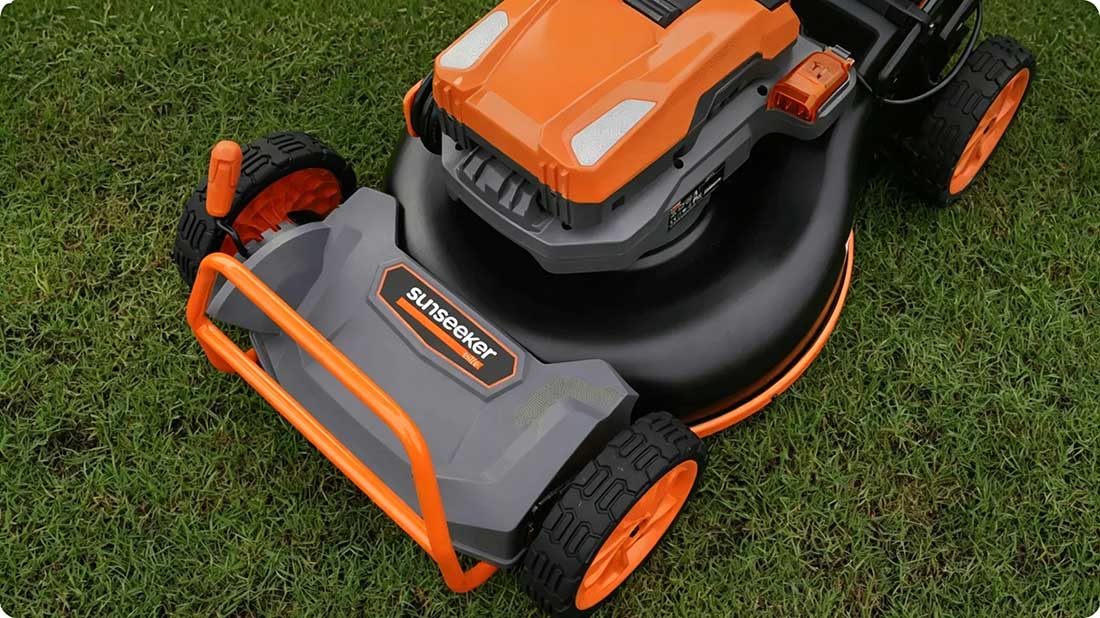
Last but not least, it’s crucial to maintain your lawn mower blade bolts, as proper care makes future blade removal easier and helps prevent potential damage. Here are the key practices:
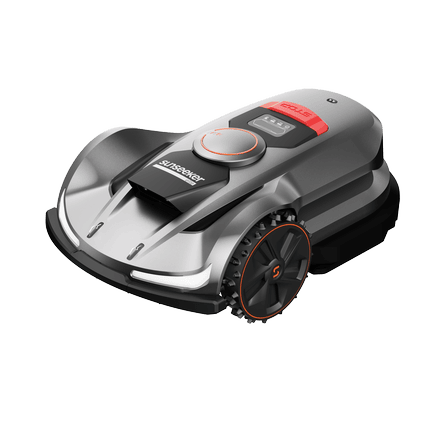
As you can see, dealing with blade bolts and thread orientation on traditional mowers can be tiring. The frequent maintenance and physical effort may turn routine lawn care into a frustrating chore. If you want a simpler solution, consider switching to a robotic mower. Robot lawn mower blades are compact and require less demanding maintenance, providing a convenient, hands-off way to keep an established lawn neatly trimmed.
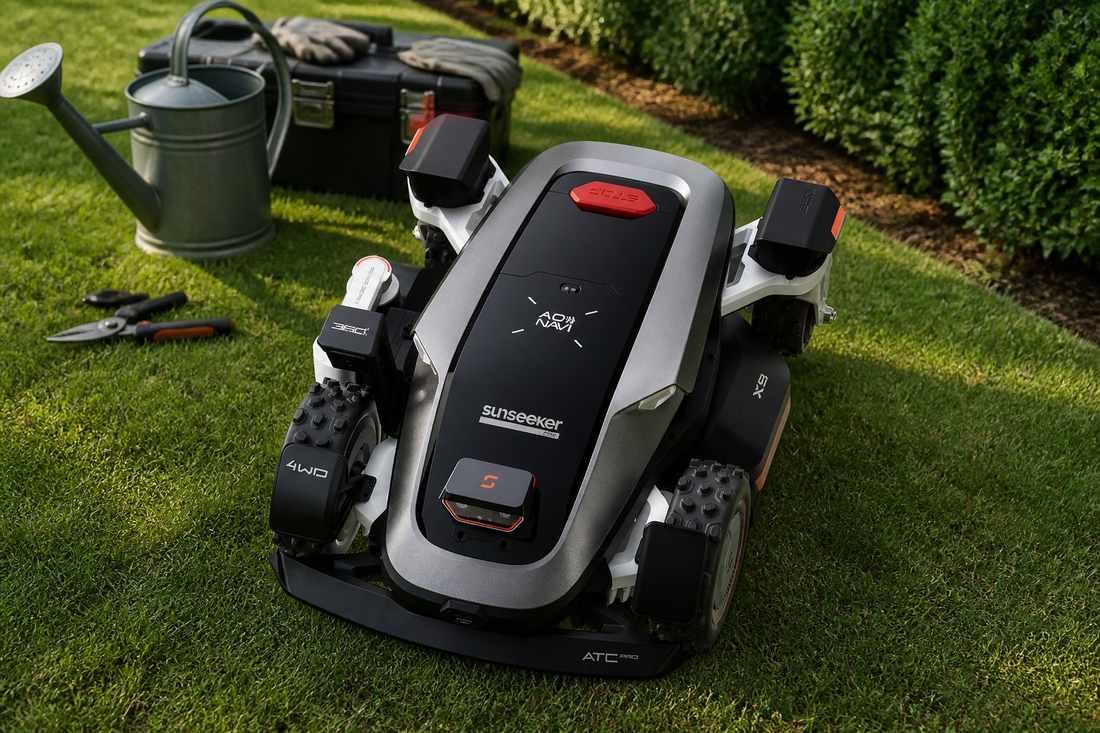
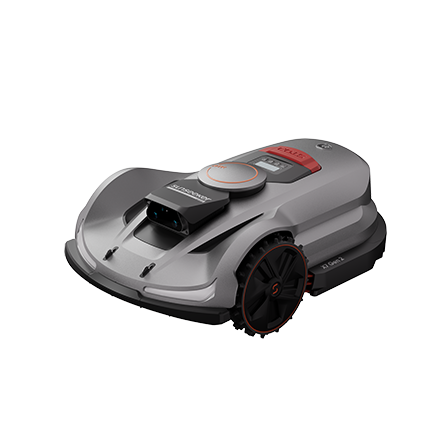
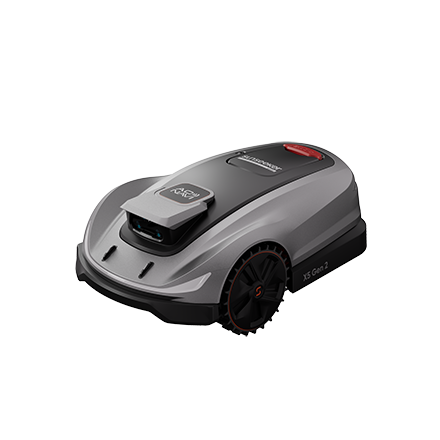
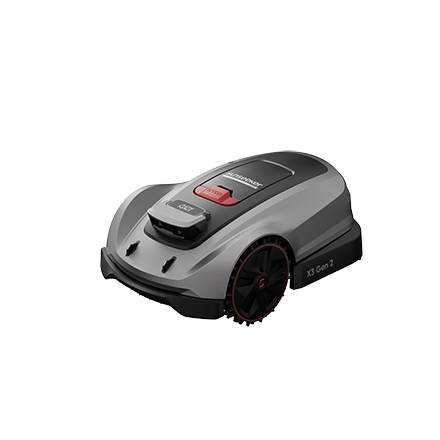
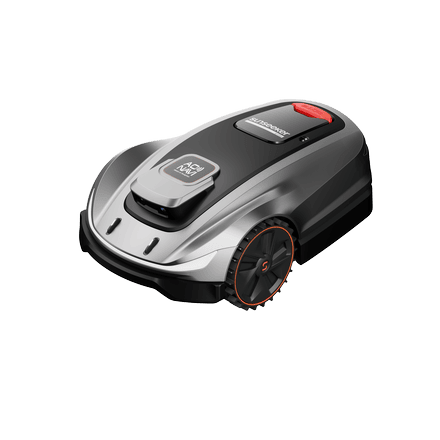
For those seeking better performance, the Sunseeker Elite X7 Gen 2 is an excellent choice. These advanced robotic mowers feature durable blades designed to last longer, which reduces the need for frequent blade changes. The quick-swap blade system makes replacement simple, and the package includes spare blades and tools for added convenience. Combined with intelligent AI navigation, advanced wheel control, and an optimized cutting system, it delivers efficient, precise mowing with minimal effort.
To keep your mower performing at its best, the right replacement blades also matter. The Sunseeker Elite Premium Blades Kit (24 pcs) is a reliable option to consider. Featuring high-hardness blades with reinforced edges, it improves wear resistance and delivers longer-lasting cutting performance.
Are lawn mower blades reverse-threaded? Not the blades themselves, but the bolts can be, depending on your mower type and design. While blade and bolt maintenance can sometimes feel like a hassle, the guide above should have clarified the correct steps and helped you avoid common mistakes. If you are looking for a simpler solution, it may be time to upgrade to a robotic lawn mower. With easy blade swapping and minimal maintenance, models like Sunseeker offer a more efficient way to keep your lawn perfectly trimmed!
Apply penetrating oil (such as WD-40) and let it soak for 15-30 minutes or longer for best results. Secure the blade with a wooden block, then use a breaker bar or impact wrench with the correct socket. Check the thread direction, as some bolts might loosen clockwise. Gentle heat can help, but don’t force too much to prevent stripping.
Some mower blade bolts are left-handed (reverse-threaded), especially on certain riding mowers, to prevent loosening during operation. These loosen by turning clockwise. However, most push mowers use standard right-handed threads, which loosen counterclockwise. Always check your owner’s manual or look for bolt markings before applying force.
First off, disconnect the spark plug to ensure safety. Then apply penetrating oil and allow time to loosen debris or rust. Use an impact wrench or a long breaker bar for extra leverage, and confirm thread direction first. If it still won’t budge, a bolt extractor can help remove it more easily, or you can turn to a professional for assistance.