


FAQs
7/6/2026
Contents
Products
Residential Lawns





Commercial Landscapes
Explore
Where to Buy


Vinegar kills plants on contact, including lawn grass. It's non-selective, meaning it doesn't distinguish between weeds and the turf you want to keep. Household vinegar at 5% concentration works mainly on young weeds, while horticultural vinegar at 20% or higher is more effective but also more damaging to surrounding grass and soil.
Vinegar is popular as a natural weed control option, but the question "will vinegar kill lawn" doesn't have a simple yes or no answer. It depends on the concentration, how it's applied, and what's growing in your yard. This guide breaks down exactly how vinegar affects grass and weeds, when it might be useful, and when it will cause more harm than good.

Yes, vinegar kills both. The key word is non-selective: vinegar's active ingredient, acetic acid, damages any plant tissue it contacts. It doesn't distinguish between the weeds you want gone and the grass you want to keep. Spray it on a dandelion growing in your lawn, and you'll likely brown the surrounding grass too. Compared to synthetic herbicides like glyphosate (Roundup), vinegar acts faster on contact but breaks down more quickly and doesn't translocate to roots, making it less effective on established weeds overall.
The effectiveness also varies by concentration: higher acetic acid content means stronger and faster results, but also greater risk to surrounding grass and soil.
Does vinegar kill lawn grass permanently? At 5%, surface damage is likely but the roots often survive and regrow. At 20% or higher with repeated applications, root damage becomes more likely, particularly on stressed or newly established grass. Acetic acid can also temporarily lower soil pH, making conditions less favorable for grass recovery.
Acetic acid works as a contact herbicide: it breaks down plant cell walls, causing fluids to leak out and the plant tissue to dry out rapidly. Wilting is often visible within hours, and browning typically appears within 24 hours.
However, because acetic acid only affects the parts of the plant it physically touches, it cannot reach deep root systems. This means weeds with complex, established roots like dandelions, bindweed, and Canada thistle are unlikely to be killed completely. Even after the above-ground growth dies off, the roots remain intact and the plant regrows.
It depends on the situation. Vinegar has legitimate uses for weed control in specific contexts, but it's not a reliable or safe option for most lawn weed problems.
Where vinegar can work:
Where vinegar causes problems:
For a standard lawn weed problem, vinegar is more likely to create a patchwork of dead grass than a clean weed-free result.
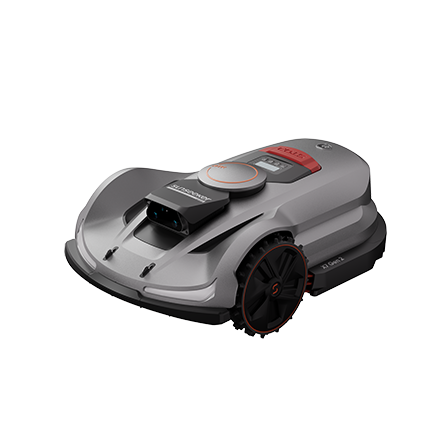
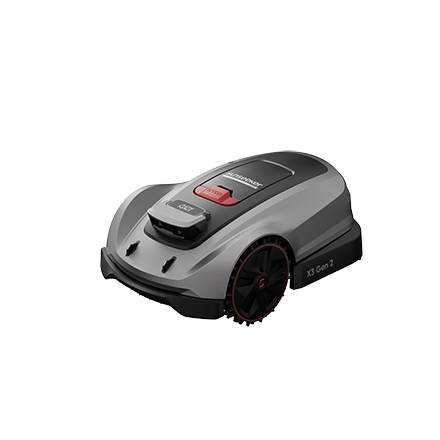
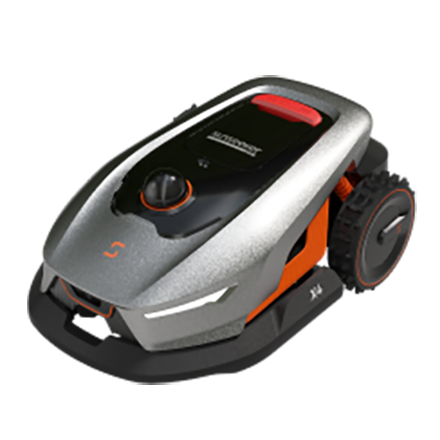
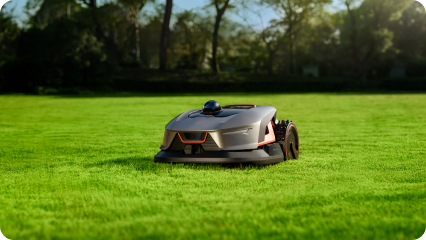
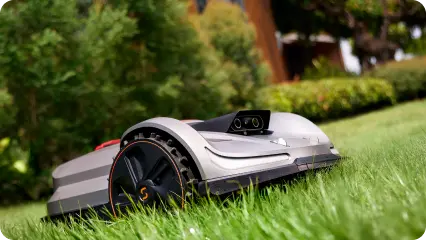
For homeowners who want healthy, dense turf that naturally crowds out weeds, consistent mowing at the right height is one of the most effective long-term strategies. A robot lawn mower keeps mowing on a regular schedule automatically, maintaining the grass density that makes it harder for weeds to establish in the first place.
If you've decided vinegar is appropriate for your situation, particularly for hard surfaces or isolated spots, a few practices reduce the risk of unintended damage.
Choose the right concentration. Household 5% vinegar works on very young weeds. For tougher or established weeds, horticultural 20% vinegar is more effective, but requires protective gear: gloves, safety glasses, and covered skin. At 11% or higher, acetic acid can cause serious burns on contact. At 5% concentration, vinegar is generally safe around pets and children once dry. At 11% or higher, keep people and animals away from treated areas until fully dry.
Dish soap improves vinegar's effectiveness as a weed killer. Add 1 oz of liquid dish soap per gallon of vinegar before applying. It acts as a surfactant that helps acetic acid adhere to the waxy surface of weed leaves rather than beading off. Some homeowners also mix in salt for a stronger effect, but use this combination only on hard surfaces. Salt persists in the soil and can prevent anything from growing in treated areas for an extended period.
Apply on a warm, sunny, windless day. Acetic acid works faster in heat. Wind increases the risk of spray drift onto desirable plants. Avoid application before rain, which dilutes the effect and may spread it to unintended areas.
Use targeted application. A spray bottle with a narrow stream or a paintbrush gives the most control for spot treatment. Wide broadcast spraying significantly increases the risk of collateral damage to surrounding grass and plants.
Protect nearby plants. Cardboard or plastic sheeting placed around desirable plants provides a physical barrier against drift.
Avoid soaking the soil with vinegar. Spray directly onto weed leaves rather than pouring vinegar into the ground. Large quantities applied to soil can lower pH for a month or more, making it harder for grass or other plants to reestablish in the treated area
For most lawn weed situations, there are more effective and less damaging options. The list below includes manual removal and corn gluten meal for homeowners trying to kill lawn weeds organically, alongside selective herbicides for situations where a conventional treatment is appropriate.
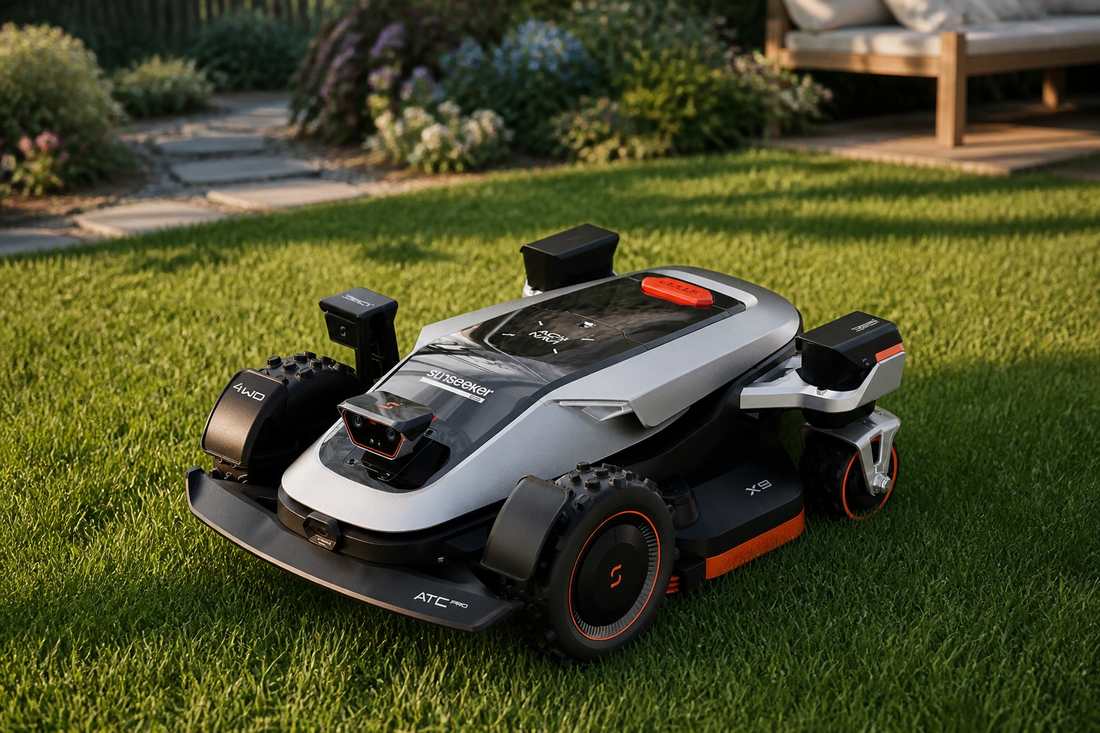
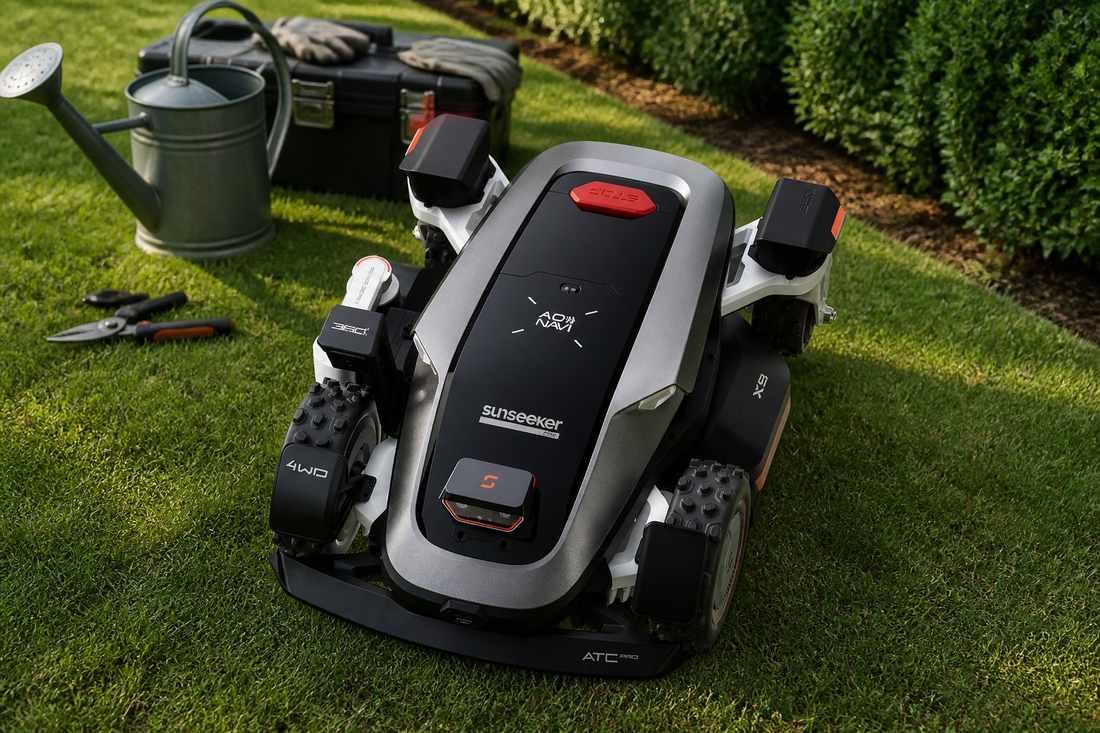
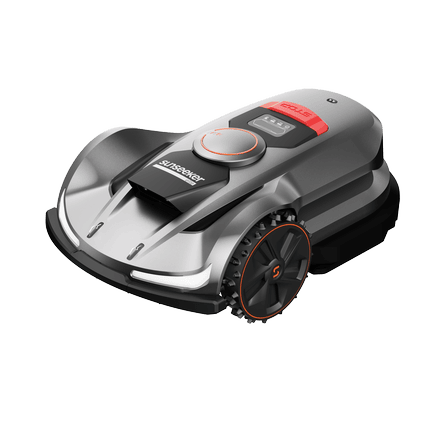
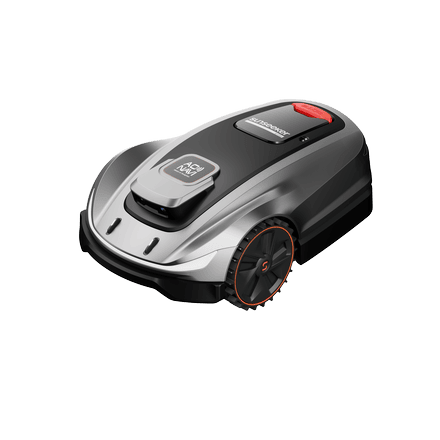
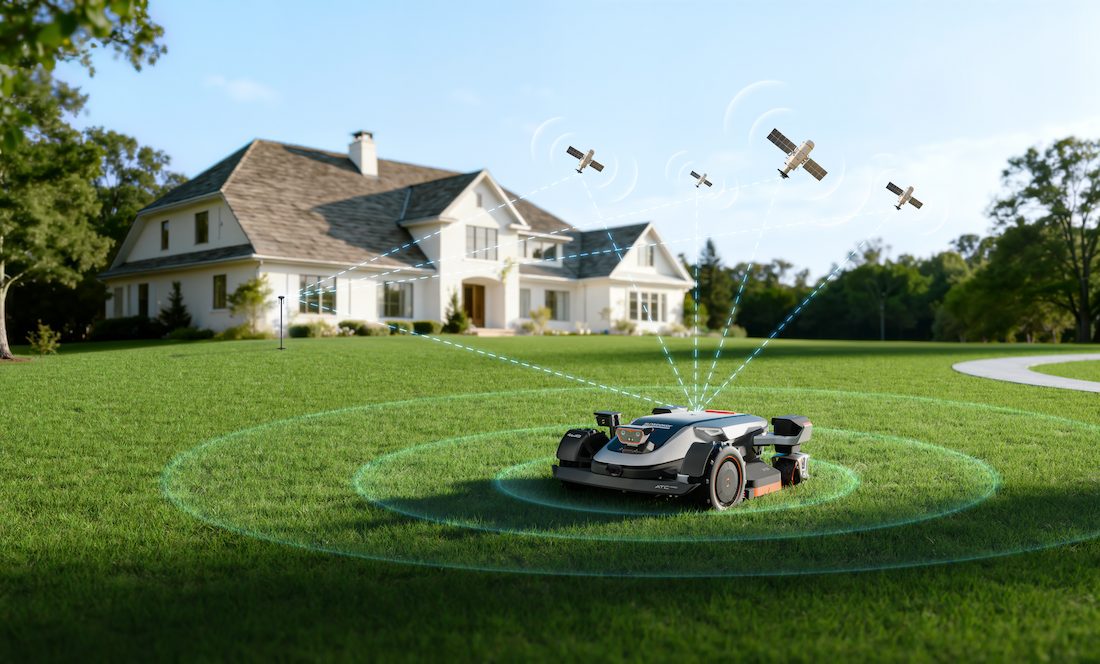
The Sunseeker Elite X9 makes consistent lawn maintenance genuinely hands-off. Covering up to 24,000 m² with AONavi 2.0 wire-free navigation, the X9 Plus maintains your lawn on a daily schedule without manual effort. The EdgeZero™ trimming attachment delivers precise edge-to-edge cutting, and ATC Pro handles slopes up to 90% (42°), so no corner of your yard gets missed. A well-maintained lawn is your best defense against weeds, and the X9 handles the maintenance for you.
Does vinegar kill lawns? Yes, and it doesn't stop at the weeds. Household vinegar at 5% can damage grass surfaces and kill young weeds, but established weeds with deep roots typically regrow. Higher concentrations are more effective on weeds but increasingly risky for surrounding turf, soil health, and personal safety. Vinegar works best on hard surfaces and isolated spots away from grass you want to keep. For in-lawn weed control, selective herbicides and manual removal are more reliable options that don't put the rest of your lawn at risk.
It depends on the concentration and how many times it was applied. At 5% household concentration, vinegar typically damages the leaf tissue but leaves roots intact, and grass often recovers within a few weeks. At 20% or higher, or with repeated applications, root damage becomes more likely and recovery may require overseeding. Repeated use can also lower soil pH and harm beneficial soil organisms, making it harder for grass to reestablish even after the vinegar itself has broken down. Stressed or newly established grass is more vulnerable than mature, healthy turf.
Applying vinegar to lawn grass causes browning and wilting within 24 hours. Will vinegar kill my lawn from a single pour? At household concentration, the grass may recover if roots are unaffected. Concentrated horticultural vinegar or repeated application increases the chance of permanent damage. Pouring it in large quantities can also lower soil pH temporarily, slowing recovery and harming soil organisms.
Will vinegar kill lawn grass at 5% concentration? Yes, it can damage grass surfaces and kill very young weeds effectively. It's less reliable on established weeds with deep roots, which typically regrow after top growth is killed. For tougher weeds, higher concentrations are needed, but those come with greater risk to surrounding lawn grass and require protective equipment to handle safely.