




FAQs
7/6/2026
Contents
Products
Residential Lawns








Commercial Landscapes
Explore
Where to Buy


Stopping lawn irrigation at the right time helps grass store energy for winter and prevents problems like shallow rooting, fungal disease, and winter kill. The timing depends on grass type, soil temperature, and local climate, not just the calendar date.
Most homeowners stop watering when it starts to feel like fall, but knowing when to stop watering lawn properly means looking at soil temperature and grass behavior, not just the weather outside. Stop too early and the lawn goes into winter moisture-stressed. Stop too late and you invite fungal disease and shallow rooting. This guide covers the right signals, the timing by grass type, and what else to do to prepare the lawn for winter.
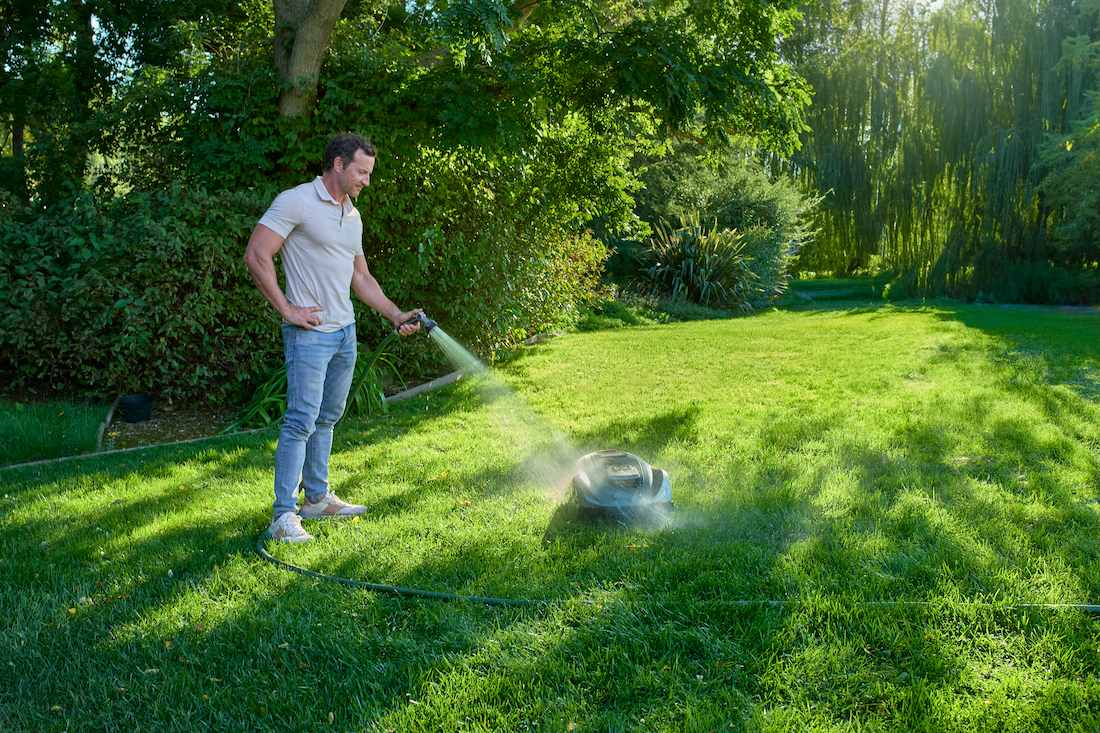
There's no single calendar date that works for every lawn, but a few clear signals tell you when the time has come.
Soil temperature drops below 10°C. This is the most reliable indicator. At this point, grass roots slow their activity and the lawn's water demand drops significantly. A basic soil thermometer at 5 cm depth gives a more accurate picture than air temperature alone.
Nighttime temperatures consistently fall below 4°C. When nights stay this cold for several consecutive days, cool-season grasses are entering or approaching dormancy and need much less water. For warm-season grasses, the threshold is higher: stop watering once soil temperatures fall below 18°C, which typically happens earlier in the season.
First hard frost has occurred. Once the ground has experienced a hard freeze, supplemental watering does little good. Water won't penetrate frozen soil and may form ice on the surface.
The key is to reduce watering frequency gradually as these signs appear, rather than stopping all at once. Lawns that are well-hydrated going into winter recover better in spring and experience less winter stress.
Fall is one of the most important watering periods for lawn health. Grass coming out of summer stress needs moisture to recover and rebuild root strength before winter. Watering before soil temperatures freeze helps plant crowns rehydrate before dormancy, and lawns that enter winter already moisture-stressed are more vulnerable to winter kill.
For how much to water the lawn in fall, most lawns need 3-4 cm per week, typically split into two sessions; if rainfall already supplies more than 3 cm, skip supplemental irrigation. Avoid overwatering too. Cool temperatures lower evaporation rates, so soil stays moist longer, and excess water encourages fungal disease.
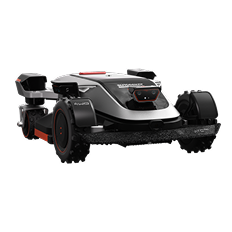
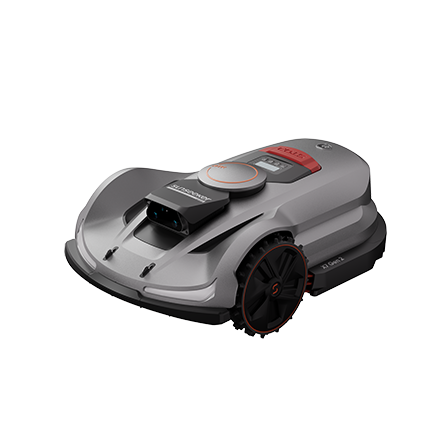
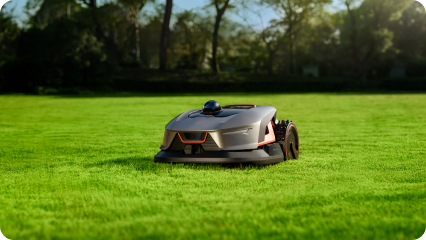
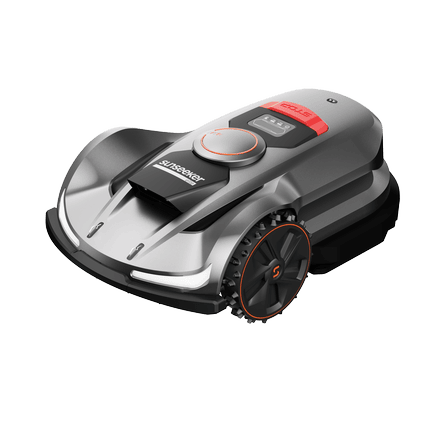
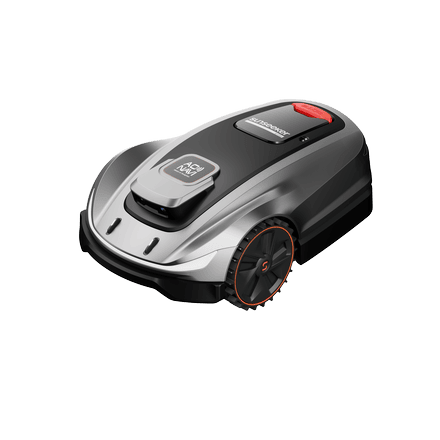
Consistent mowing through fall is equally important. Keeping grass at the right height going into winter reduces matting, fungal risk, and crown damage from frost. A robot lawn mower maintains the right cutting schedule automatically, removing the manual effort of tracking when to mow as temperatures shift. Your lawn on autopilot. Find the right model and make it happen.
Leaving water in irrigation lines when temperatures drop below freezing causes pipes to crack, fittings to split, and components to fail. Winterizing at the right time prevents costly spring repairs and ensures the system is ready to run correctly when the mowing season resumes.
According to University of Minnesota Extension, sprinkler systems in colder northern regions should typically be blown out in the third or fourth week of October. In milder climates, the window extends to November or early December. The general target is to winterize after active irrigation stops but before the ground freezes. If your system includes above-ground components like exposed water lines or a backflow preventer, err on the earlier side of that window.
Steps for shutting down:
1. Turn off the water supply to the irrigation system at the main shutoff valve.
2. Drain or blow out the lines using compressed air to remove remaining water. Underground systems typically require a professional with an air compressor.
3. Insulate above-ground components including backflow preventers and exposed pipes. Foam pipe insulation works for mild climates; full blowout is safer in hard-freeze regions.
4. Set the controller to "off" or "rain" mode to prevent the system from cycling during winter.
5. Document the last run date and settings so you can resume correctly in spring.
Stopping irrigation is just one part of preparing the lawn for winter. A few targeted steps in fall make a significant difference in how quickly and evenly the lawn recovers in spring.
Lower your mowing height before winter. For cool-season grasses, aim for a final height of 5–6.4 cm before the season ends. This reduces the risk of matting under snow and limits moisture trapped at the base of the grass, a common trigger for snow mold. For warm-season grasses, finish slightly higher at 6.4–7.6 cm to protect crowns from frost damage.
Apply a fall fertilizer. A slow-release, low-nitrogen fertilizer applied in early fall (before the ground cools below 10°C) helps grass store energy for winter and supports faster green-up in spring. Avoid high-nitrogen formulas late in the season, they push top growth that can't harden off before frost.
Clear fallen leaves promptly. Leaves left on the lawn through winter block light and trap moisture, creating conditions for fungal disease and dead patches. Rake or mow over leaves regularly to keep the lawn surface clear.
Avoid foot traffic on frozen grass. Walking on frost-covered or frozen grass snaps the brittle blades at the crown, leaving dead spots that take weeks to recover in spring. If possible, keep foot traffic off the lawn once frost becomes regular.
Do a final deep water before the ground freezes. If fall has been dry, a thorough final watering before the ground freezes helps crowns enter winter with adequate hydration. This is particularly important for cool-season grasses that remain semi-active in fall.
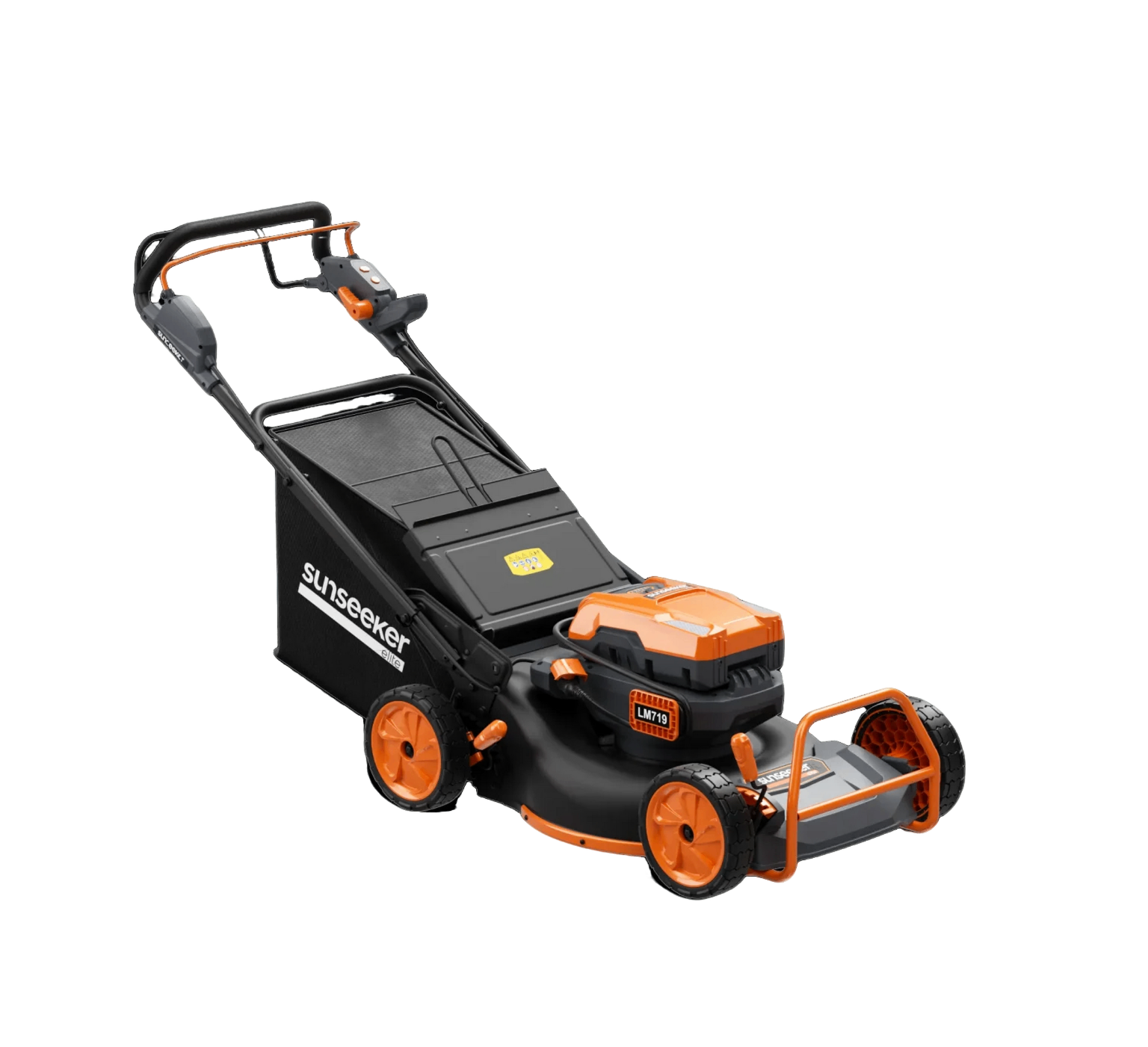
Getting the final mow right before winter matters more than most homeowners realize. The wrong height going into the cold season can mean months of damage that doesn't show until spring. The Sunseeker Elite X4 takes the guesswork out of end-of-season mowing. Drop it on the lawn and it maps the space automatically, maintains precise cutting height, and runs on an app-based schedule so the last few sessions of the year happen at the right time without any manual effort. The X4 doesn't need you to babysit it. Check it out.
Stopping irrigation at the right time is one of the most effective things you can do for long-term lawn health. Knowing when to stop watering lawn properly means watching soil temperature and grass behavior rather than the calendar — for cool-season grasses, the signal is nighttime temperatures consistently below 4°C or soil temperatures below 10°C; for warm-season grasses, stop earlier when soil temperatures fall below 18°C. Reduce frequency gradually rather than stopping abruptly, shut down the sprinkler system before the ground freezes, and pair the irrigation wind-down with fall mowing, fertilizing, and leaf clearing for the strongest possible spring recovery.
There's no single month that applies everywhere. In colder northern regions, most cool-season lawns wind down irrigation in October and stop entirely by early November when nighttime temperatures consistently drop below 4°C. In milder climates, watering may continue into November or December. When stop watering lawn is ultimately about soil temperature and grass dormancy signals, not the calendar.
October is still an active watering month for cool-season grasses in most northern and mid-climate areas. When should I stop watering my lawn depends on your region and grass type, but the lawn is typically still recovering from summer stress and building root strength during this period. How long to water your lawn during this period depends on sprinkler output and rainfall, so use the required moisture level rather than a fixed number of minutes and reduce irrigation compared with summer. Reduce frequency compared to summer, but continue watering until soil temperatures drop below 10°C or consistent frost begins. In warmer southern regions with warm-season grasses, October may already be past the point where irrigation is needed.
No, the timing varies significantly by grass type. When should you stop watering your lawn for cool-season grasses like Kentucky bluegrass, tall fescue, and perennial ryegrass? Keep watering until the ground freezes or nighttime temperatures drop below 4°C. Warm-season grasses (Bermuda, zoysia, St. Augustine) go dormant earlier and can have irrigation reduced significantly once soil temperatures fall below 18°C. When to stop watering the lawn also depends on local rainfall. If your area receives 2.5 cm or more of rain per week, supplemental irrigation may not be needed at all.