











FAQs
6/18/2026
Contents
Products
Residential Lawns











Commercial Landscapes
Explore
Where to Buy


A reel mower doesn’t suddenly stop working; it slowly loses its edge. The cuts get rougher, the push gets heavier, and your lawn starts to look a little off. Those small changes are easy to overlook, but they all point to one thing: your blades need attention.
Reel mowers, also known as manual or push lawn mowers, provide a quiet, eco-friendly way to maintain your lawn. However, like any cutting tool, their blades gradually dull with regular use. This can result in uneven cuts and unnecessary stress on your lawn. So, how do you sharpen a reel lawn mower blade? This comprehensive guide covers the most specific information. You can learn why sharpening matters, when it’s needed, the tools required, and the detailed steps of reel mower sharpening. Keep reading to discover everything you need to know to maintain a sharp mower!
Sharpening reel mower blades is a crucial maintenance task that directly impacts lawn health and mowing performance. Here are the key reasons why it matters:
The reel mower sharpening frequency varies depending on usage and grass conditions. Here are several clear signs that you need to sharpen manual mower blades.
Backlapping is the most common DIY method for sharpening reel mower blades. To get started, gather the following tools and materials:
With the right tools and materials ready, reel mower sharpening can be a simple DIY task. Here’s how to sharpen a reel lawn mower at home step by step.
Thoroughly clean the reel and bed knife to remove grass clippings, dirt, and debris. Place the mower securely on a stable surface or stand. Carefully adjust the reel-to-bed knife contact so the blades lightly touch or nearly touch evenly along their entire length.
Apply a thin and even layer of backlapping compound across each reel blade with a brush. Ensure full coverage without overapplying, as excess compound can create an unnecessary mess and reduce efficiency during the sharpening process.
Attach a hand crank or drill adapter to the reel mechanism. Rotate the reel backward, opposite the normal mowing direction, at a steady pace for one to two minutes. Reapply compound if needed. The grinding noise will gradually soften as blades sharpen.
Wipe away the used compound with a clean rag, then apply a fresh layer. Repeat the process two to four times until the grinding sound becomes minimal and the blade edges feel noticeably sharper and more refined.
Rinse and clean all components thoroughly using water and cloths to remove any remaining compound. Readjust the reel-to-bed knife gap to achieve light contact without resistance.
After completing reel mower sharpening, it is important to verify the results and make minor adjustments if necessary. Use the following methods to ensure optimal cutting performance:
With the instructions above, it should not be too difficult to sharpen a reel mower blade. Meanwhile, it’s best to avoid these common mistakes to achieve better cutting results:

While backlapping is effective for maintaining sharp edges, it cannot address severe wear, cone-shaped reels, or damaged bed knives. If your mower shows deep nicks, noticeable vibration, or continues to perform poorly even after multiple backlapping attempts, these are clear indicators that basic maintenance is no longer sufficient. In such cases, professional servicing becomes necessary, as grinding services use specialized equipment to restore precise blade geometry and proper relief angles, which DIY methods simply cannot achieve.
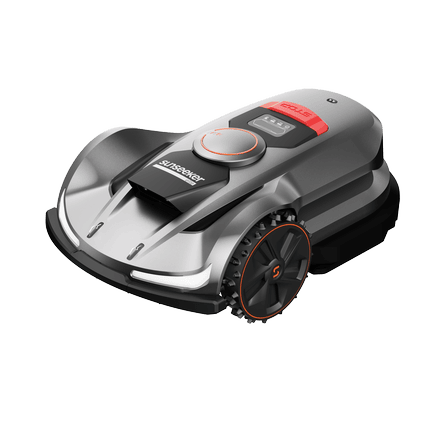
For homeowners seeking a low-maintenance alternative, robot lawn mowers are an excellent solution. These innovative machines require minimal blade care; usually, just a simple replacement of the cutting blades is enough. They are ideal busy users who want a pristine lawn without the hassle of traditional maintenance.
If you are looking for premium performance, consider the Sunseeker Elite X7 Plus Gen 2. These advanced mowers feature a floating dual-cutting disc equipped with six evenly distributed blades, delivering a cleaner and more uniform cut. They also include easy-to-swap replacement blades and durable components designed for long-term reliability. Combined with smart AI-powered navigation, they ensure consistent, high-quality results with minimal effort.
How do you sharpen a reel mower blade? With the right tools and proper backlapping steps, you can keep your manual mower operating efficiently while extending its lifespan. Although reel mower sharpening requires time and effort, it ensures reliable performance and professional-quality results. For homeowners who prefer a simpler, low-maintenance solution, consider Sunseeker Elite’s innovative robotic mowers. With minimal blade upkeep and smart automation, they take the work out of lawn care, so you can enjoy a perfectly trimmed lawn with ease!
Yes, most homeowners can successfully sharpen reel lawn mower blades at home using the backlapping method with basic tools and sharpening compound. It requires patience and proper adjustment, but it is cost-effective and practical for those looking to sharpen manual mower blades. However, professional grinding is recommended for severely worn or damaged blades.
Reel mowers typically need sharpening every 4-8 weeks during the mowing season or after 10-20 hours of use, depending on grass type and conditions. While regular light backlapping helps maintain sharpness, professional servicing may be required once or twice annually. It’s recommended to perform routine checks to ensure timely reel lawn mower sharpening.
DIY backlapping usually costs between €17 and €43 for a kit with reusable materials, making it an affordable maintenance option. Professional reel grinding services typically range from €87–€303per unit, depending on mower condition and location. Regular home maintenance can significantly reduce long-term repair and servicing expenses.
Yes, sharpening reel mower blades is essential, which helps maintain lean cuts and ensures smooth operation. Dull blades tear grass, increase disease risk, and make mowing even more difficult. Routine reel mower sharpening, whether DIY or professional, is a necessary part of mower care that helps extend equipment life and protect your turf.