











FAQs
4/30/2026
Contents
Products
Residential Lawns







Commercial Landscapes
Explore
Where to Buy


Many lawn mower problems trace back to simple things like old fuel, a dirty air filter, a worn spark plug, clogged grass, or a dull blade. A mower that will not start, stalls, cuts unevenly, smokes, or loses power often needs basic checking before any major repair. Regular cleaning and seasonal servicing can prevent most breakdowns.
A mower that won't start, loses power mid-cut, or leaves uneven strips usually has a clear cause, and in many cases you can sort it out yourself without calling a lawn mower mechanic. Most lawn mower fixes are simpler than they look. This guide covers 10 of the most common issues, how to fix them, and what you can do to stop them coming back.

Below are the issues most homeowners run into, along with straightforward steps to get things back on track.
This is the most common lawn mower repair issue, and it usually comes down to one of a few things: a dirty air filter, a faulty spark plug, old fuel, or a clogged carburetor.
How to Fix: Start with the basics. Check that there's fresh fuel in the tank, as gas older than 30 days can cause starting problems. Then inspect the air filter and clean or replace it if it's dirty. If the mower still won't fire, pull the spark plug and check if it's fouled or worn. A new spark plug is cheap and often fixes the issue straight away.
If none of that works, the carburetor may be clogged with old fuel residue. You can clean it with a carburetor cleaner spray or replace it if it's too far gone.
If the mower fires up but cuts out after a few seconds or minutes, the fuel system is usually the culprit. A partially clogged carburetor, a dirty fuel filter, or a fuel cap that isn't venting properly can all cause this.
How to Fix: Try loosening the fuel cap slightly and see if the mower runs better. If it does, the cap vent is blocked and needs cleaning or replacing. If not, clean the carburetor and replace the fuel filter.
A sudden drop in power mid-mow is often caused by a dirty air filter or a dull blade, since the engine has to work harder when airflow is restricted or the blade is struggling to cut.
How to Fix: Clean or replace the air filter first. If the problem continues, check the blade. A dull or damaged blade makes the engine work harder and leaves a poor cut, so sharpen or replace it as needed. Cutting grass that's too tall for your current height setting can also cause power loss, so raise the cutting height and do a first pass before going lower.
Uneven cutting is almost always a blade problem. The blade could be dull, bent, or installed incorrectly, and it's also worth checking that all four wheels are set to the same height.
How to Fix: Remove the blade and inspect it. If it's bent, replace it, as a bent blade can't be safely straightened. If it's just dull, sharpen it evenly on both edges. Before reinstalling, make sure the blade is balanced so it doesn't cause vibration.
Some vibration is normal, but if yours is shaking more than usual, a loose or unbalanced blade is the most likely cause. A blade that's been sharpened unevenly or hit a hard object can throw off the balance.
How to Fix: Remove and inspect the blade. Sharpen it evenly and check that it's properly secured. If the vibration continues, inspect the blade shaft for damage. In some cases, a worn engine mount can also be the cause.
White or blue smoke usually means oil is burning, which can happen if the oil level is too high, if the mower was tilted at a steep angle during use or storage, or if there's an oil leak near the muffler.
How to Fix: Check the oil level and drain any excess if needed. If the mower was stored on its side, let it sit upright for a few minutes before starting. A small amount of smoke that clears quickly is usually nothing to worry about, but if it keeps going, have a lawn mower repair technician check for a more serious oil leak. Black smoke points to a rich fuel mixture, which usually means a dirty air filter or a carburetor issue, so clean the air filter first and go from there.
If the pull cord feels stiff or stuck, don't force it. The most common cause is grass clippings or debris jammed around the blade, which puts resistance on the engine.
How to Fix: Disconnect the spark plug wire first for safety, then tip the mower and clear any buildup around the blade. Reconnect the spark plug wire and try again. If the rope is still stiff, the flywheel brake or starter mechanism may need attention from a lawn mower mechanic.
Clumping usually happens when the grass is wet or too long, or when the underside of the deck is clogged with old clippings.
How to Fix: Try to mow when the grass is dry and clear any buildup under the deck after each use. If the problem persists, a dull blade is likely the cause, since a sharp blade cuts cleanly while a dull one tends to tear and clump.
If the drive system stops working on a self-propelled mower, the drive belt or drive cable is usually the issue, as belts wear out over time and can slip or snap.
How to Fix: Check the drive cable first, as it may just need adjusting. If the belt is worn or broken, it will need replacing. This is a manageable lawn mower fixing job if you're comfortable with basic tools, but it's easy to hand off to a pro if not.
For battery-powered and robotic mowers, a battery that drains too fast or won't charge is a common issue, often caused by storing the battery in extreme temperatures, letting it fully discharge too often, or simply age.
How to Fix: Check that the battery contacts are clean and free of corrosion. Store the battery in a cool, dry place when not in use, and avoid leaving it fully drained for long periods. If the battery no longer holds a useful charge, it will need replacing.
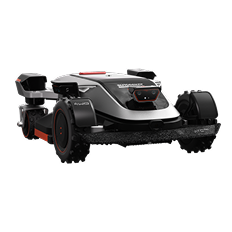
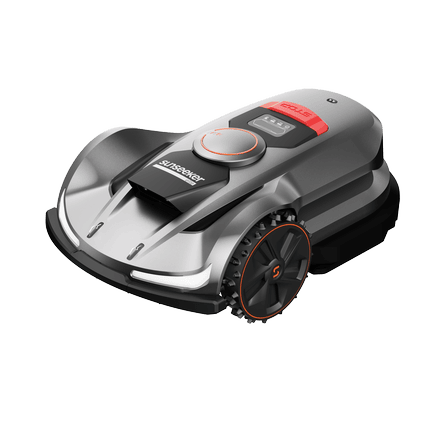
If you want to avoid this kind of lawn mower engine repair headache altogether, the Sunseeker Elite X7 is worth a look. It handles large lawns up to 6,000 m² and uses Vision AI to avoid obstacles automatically, which cuts down on the wear and accidental damage that often leads to repairs.
The good news is that most lawn mower repairs are avoidable with regular upkeep. Spending a little time on lawn mower servicing each season is far easier than dealing with a breakdown mid-mow.
Here are the other maintenance tasks worth doing regularly:
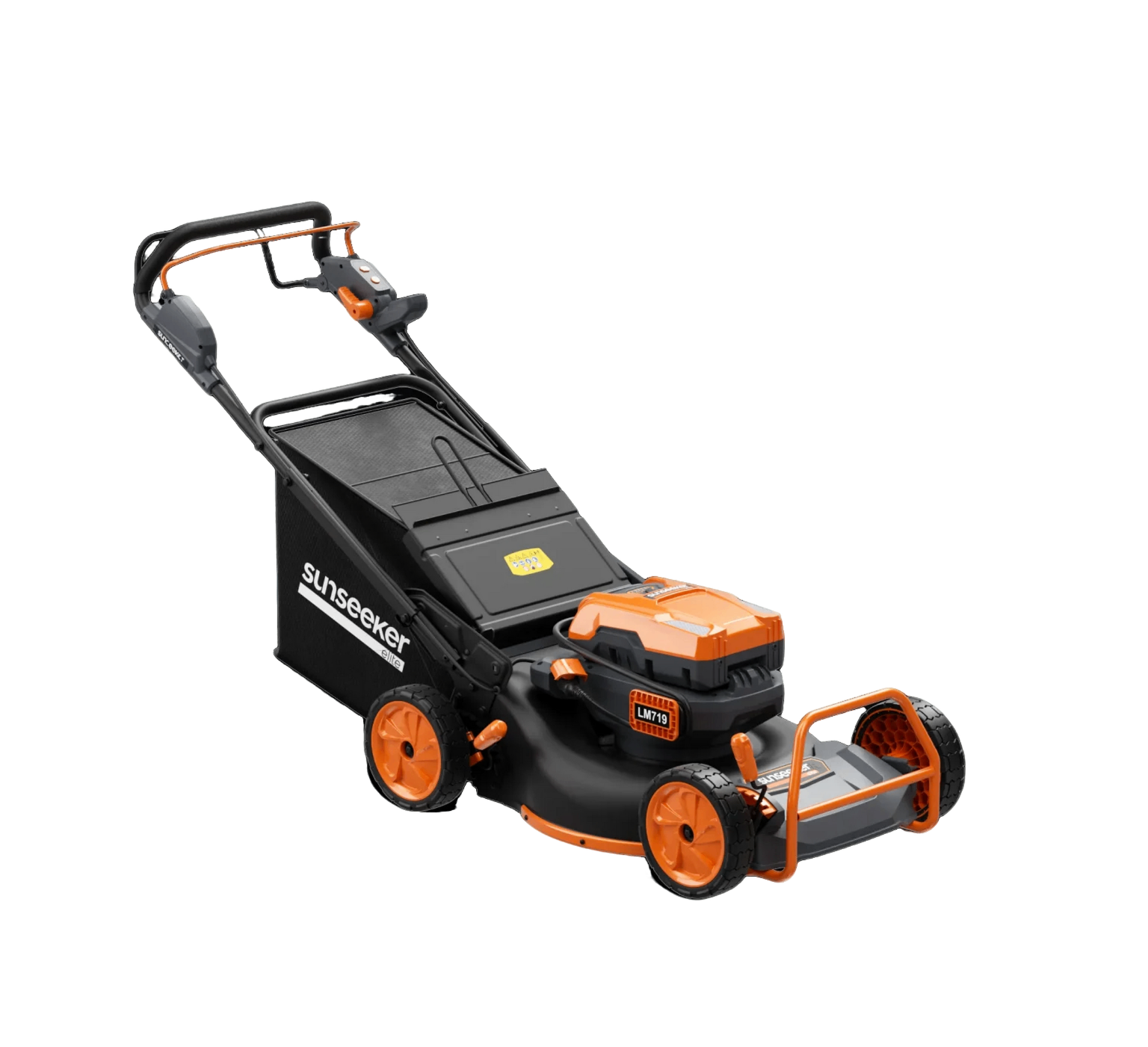
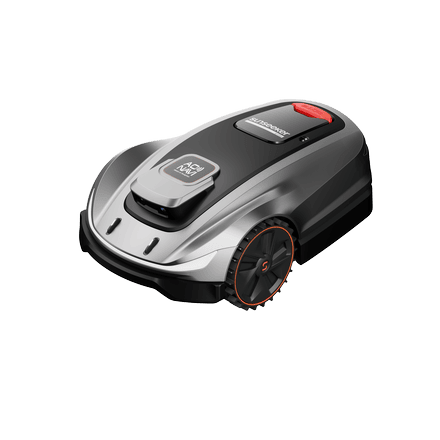
If you'd rather skip most of this, an electric mower simplifies things significantly. The Sunseeker Elite lawn mower runs on a 60V battery system with no oil changes, no carburetor to clean, and no fuel to stabilize. Lawn mower servicing becomes mostly a case of keeping the blade sharp and the deck clean.

Knowing when to pick up a wrench and when to call a technician for riding lawn mower repair can save you both time and money. Most common issues are DIY-friendly, but some are better handed off to someone with the right tools and experience.
Fix it yourself if:
Call a pro if:
A good rule of thumb: if the part costs more than roughly a third of the mower's value, it's worth getting a quote from a lawn mower mechanic before committing to the repair.
Most lawn mower fixes are more manageable than they first appear. A dirty filter, a dull blade, or old fuel causes the majority of issues, and sorting them out doesn't take much time or money. Staying on top of regular lawn mower servicing through the season keeps most of these problems from showing up in the first place.
If repairs keep piling up, you may start wondering, “what is a good lawn mower” for replacing your current machine? Sometimes the better move is to invest in something more reliable rather than keep patching the same problems year after year.
It depends on the age of the mower and what the repair involves. For simple lawn mower fixes like a new spark plug, air filter, or blade sharpening, it's almost always worth it. For major lawn mower engine repair or jobs that cost more than half the mower's value, replacing it is usually the better call. A newer mower will also be more efficient and easier to maintain going forward.
A mower that won't start is the most reported issue, and it's usually caused by stale fuel, a dirty air filter, or a worn spark plug. These are all easy how to fix a lawn mower situations that most people can handle at home with basic tools. Keeping up with seasonal maintenance prevents most of them.
Simple repairs like a spark plug replacement or blade sharpening cost very little if done at home, or around $20 to $50 at a shop. More involved jobs like carburetor cleaning or drive belt replacement typically run $50 to $150. Major engine repairs can go higher, which is why it's worth comparing the repair cost to the mower's current value before going ahead.