





FAQs
5/27/2026
Contents
Products
Residential Lawns





Commercial Landscapes
Explore
Where to Buy


A lawn mower bag only works well when it fits the mower’s discharge opening, frame, and mounting points correctly. Rips, bad airflow, mold, a bent frame, or weaker clipping collection are signs it may need replacing. Choosing the right model number, cleaning the chute, and letting the bag dry after use help it last longer.
Lawn mower bags are an often-overlooked component of lawn mowers and serve more functions than you may realize. If your bag is old, ripped, or doesn’t fit correctly, it’s likely time to replace it. This guide will help you understand lawn mower bag replacement: how to select the correct bag, install it correctly, know when to replace it, and prolong its life.
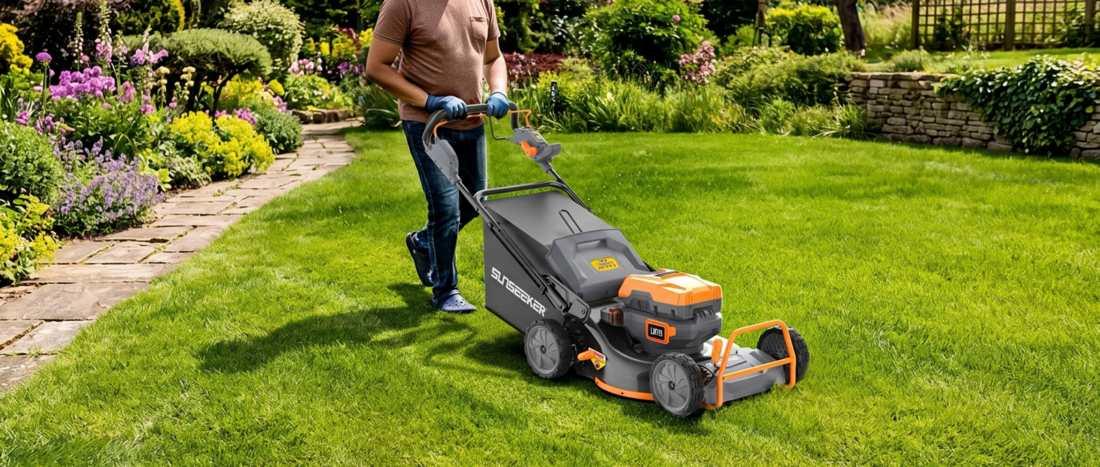
A lawn mower bag replacement involves getting a new bag to fit your mower’s discharge port and mounting system instead of using your old, worn, or clogged grass catcher. Lawn mower bags come in many styles depending on the mower model. Most walk-behind mowers use mesh or fabric-type bags; while riding and zero-turn mowers have hard plastic bins, and residential/light commercial mowers use hybrid bags.
Make sure you have the right lawn mower grass bag prior to purchasing it. The following are three criteria to keep in mind when purchasing a replacement lawn mower grass bag:
The model number is usually located on the underside of the mower’s deck or on the rear of the frame. Many people end up picking out a bag that looks like the right size when in fact, it does not fit on the discharge of the mower. If the bag doesn’t fit correctly, it will cause clippings to come out onto the ground, create less suction for clipping removal, and cause damage to your mounting bracket from stress over time.
Air can circulate through soft fabric bags and mesh bags, allowing air to escape while keeping the clippings safely trapped inside. Mesh bags are lighter and easier to clean than soft fabric bags, while soft fabric bags could hold up better when in heavy use.
If you have a 67-liter bag on a 53 cm walk-behind mower, you need to empty your bag often when mowing larger than a 2,000 square meter yard. If your mower can accommodate a bag with a larger capacity, you may want to consider upgrading. Another option to consider if you have a riding mower is purchasing two bags so that you can mow longer without needing to stop to empty your bag.
Here you'll get the full five-step process for setting up a lawn mower with bagger, including the pre-installation safety check and the chute-cleaning step that most people ignore.
Before you touch anything: Make sure there is no power to the mower before proceeding with this guide. If the mower is gas powered, remove the spark plug wire from the plug. For battery powered mowers, remove the battery from the mower. For electric mowers, unplug the extension cord. The blades of the mower are very dangerous and can cause injury.
If your mower is a rear discharge mower, lift the rear discharge cover and unhook the old bag from the two mounting brackets that support the old bag. If your old bag includes a support frame, remove both together. Visually inspect the frame for damage (such as bends or breaks) and excessive rust. A damaged frame will not hold up under the pressure of regular mowing.
Clogged chutes will block the airflow, regardless of whether the bag assembly is new. Use a stiff brush or plastic scraper to clean the inside walls and around the pinch points in the chute. Be sure that you also use a dry cloth to wipe down the area where the bag attaches to your mower.
Most replacement bags do not ship assembled with their support frames. Make certain to insert the frame completely into the bag; if the frame does not fully seat inside the bag, the bag will sag at the bottom once you begin using it. When the bag is sagging, the airflow is restricted and material will be spilled.
Hook up the bag to the discharge opening, making sure that the bag’s mounting surface sits flat against the mower. Hook up all mounting points, as any misalignment will result in clippings escaping and will cause excess stress on the bag’s mounting hardware.
Shake the bag; gently pull on it. Ensure that the bag does not touch anything that may move (e.g., wheels, levers, or cables). It’s only after these checks have been satisfied that you can reconnect the spark plug wire or battery.
Knowing when to clean or replace is the difference between the frustrated homeowner and the smart homeowner. The following are four indicators that you are ready for lawn mower grass bag replacement.
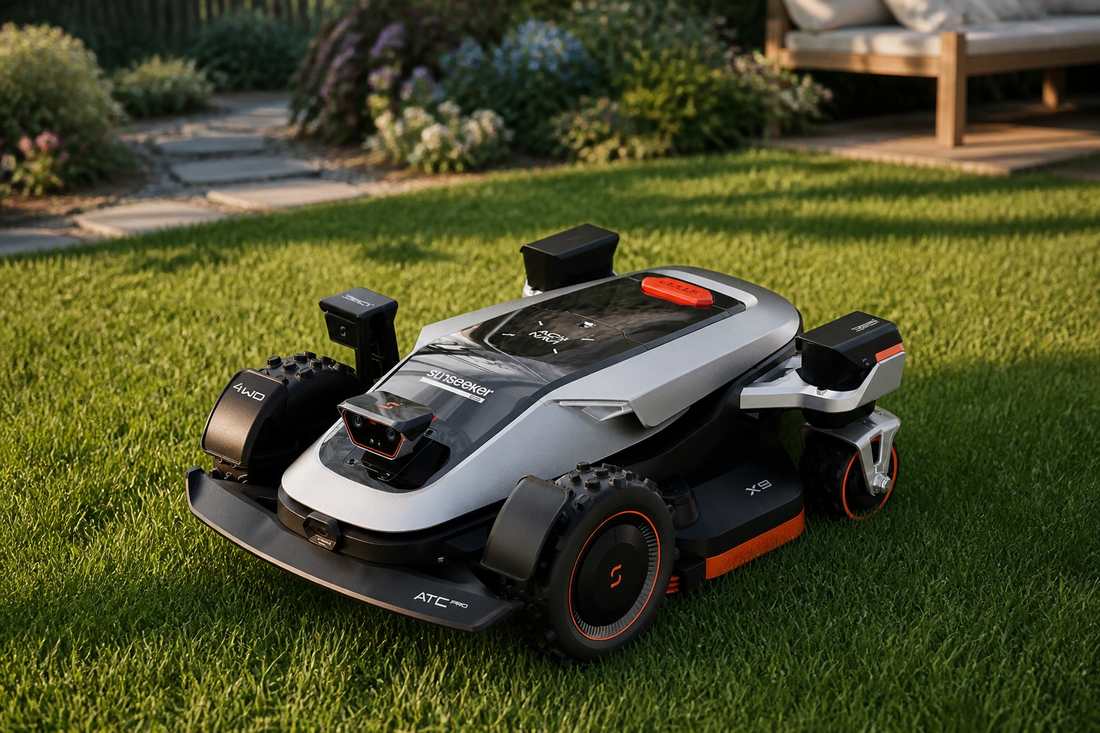
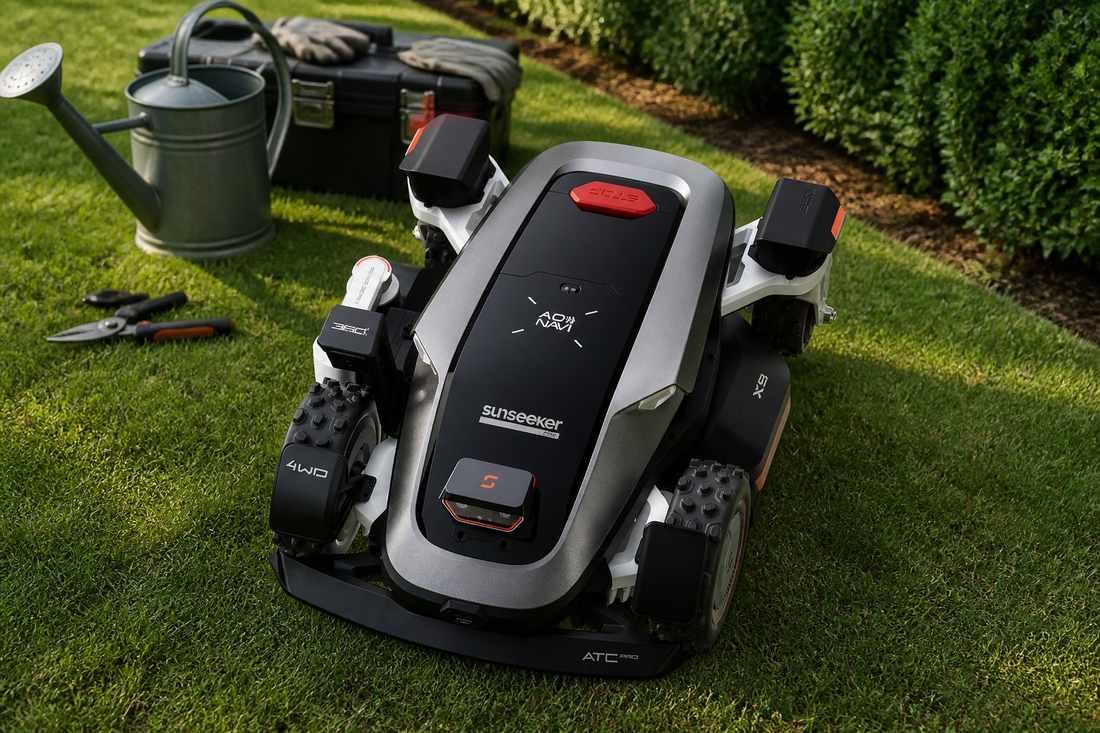
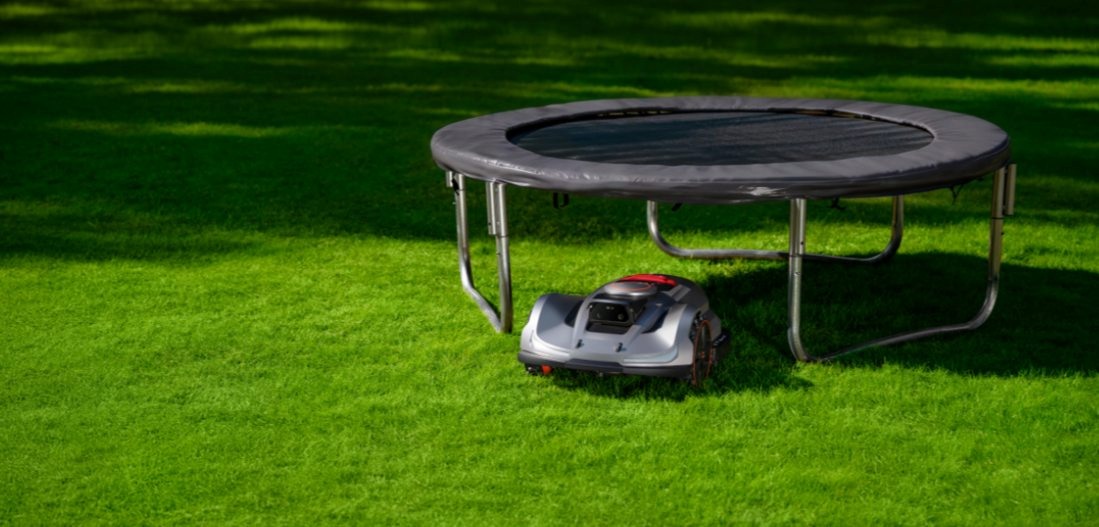
If you are tired of interrupting your weekends to empty heavy clippings, transitioning to a fully autonomous solution like the Sunseeker Elite X7 Gen 2 saves you from this chore. It features a specialized floating dual-disc system that performs frequent "micro-cuts." This technology shreds grass into microscopic clippings that disappear into the lawn, acting as a natural fertilizer. This not only eliminates the need to haul heavy grass bags but also creates a denser, healthier turf by returning vital nutrients and moisture back to the soil automatically.
We can extend the life of our lawn mower bags by performing some simple tasks. In this section, we will discuss the best times to empty the bag, how to clean it, how to allow the bag to dry, and what to check for on a monthly basis.
Wet grass will clump, stick to the interior of the bag, and promote the growth of mildew. If you must mow wet grass, ensure you empty the bag immediately and allow it to dry completely before storing it. Wet clippings can also become compacted and harden inside the chute, creating blockages that can be difficult to clean out.
Rinse and Dry After Every Use
A quick rinse with a garden hose will remove small particles that have collected on the mesh or fabric of the bag. Be sure to let the bag air dry completely before putting it into storage as a damp bag accelerates the growth of mildew and breaks down the bag fabric. Hang the bag open and not in a folded position when storing it.
A partially clogged chute puts back pressure on the bag at every pass. That constant stress tears at the mounting points and weakens the fabric around the opening over time.
The wrong bag will cost you time, money and will leave your lawn in worse condition than before you started. Lawn mower bag replacement rarely costs much, but it does require you to know what to look for and takes just a few minutes of care to do it correctly. The bag is a functioning part of your mower, so take care of it like it is really valuable to you and you will be rewarded with clean, even cuts across your lawn throughout the entire season.
No. Each bag is created specifically for a certain size of discharge opening, mounting bracket, and bag frame shape. Using an incompatible lawn mower bag results in poor clipping collection, structural misalignment, and excessive wear on mounting points. Always use a replacement bag designed for your specific mower model.; the mower's identification sticker shows its model number.
It depends on how you are mowing. The mulching and side-discharge modes are both capable of operating without a bag attached. However, without a bag there is no clipping control system so clippings may end up in other locations. If you are mowing without a bag and there is an opening at the discharge port with no mulch plug installed, you should always install the side-discharge deflector to ensure clippings are directed down safely during mowing.
Bagging is a great way to make your lawn look clean immediately after mowing, control thatch build-up, and make it easier to identify lawn health issues (like fungus), as removing the clippings makes the actual grass more visible.