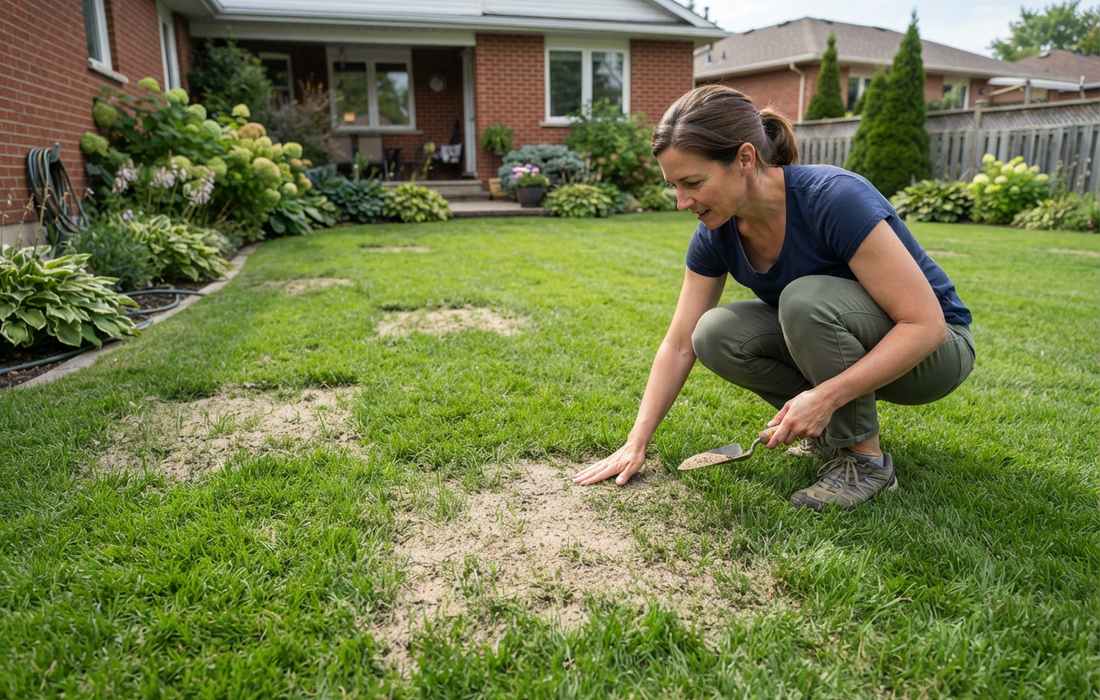

















At first glance, most lawns just look like grass. But once the seasons change, the differences become easier to see. Some lawns grow fast and stay green in cooler weather, then slow down in summer heat. Others turn brown when temperatures drop, then come back strongly once warm weather returns.
Why Is It Important to Know Your Lawn Grass Type?
Grass type affects almost every part of lawn care. If you treat all lawns the same, you may mow too short, water at the wrong time, seed in the wrong season, or use a fertilizer schedule that does not match the grass growth cycle.
Cool-season grasses, such as fine fescue, Kentucky bluegrass, perennial ryegrass, and tall fescue, usually grow strongest in spring and fall. They often slow down in hot summer weather. Warm-season grasses, such as bermudagrass, St. Augustinegrass, zoysiagrass, and centipedegrass, love heat and grow fastest in late spring and summer. Many of them go dormant after frost.
Knowing your lawn type also helps you avoid wasted work. For example, overseeding a warm-season lawn with the wrong cool-season seed can create a patchy look. Cutting tall fescue too low can stress it. Letting bermudagrass grow too tall can lead to thatch and a loose, uneven surface.
How Can You Identify Grass in Your Lawn?
You do not need a lab test for a first check. If you're asking what type of lawn grass do I have, pick a few healthy plants from different areas of the yard and compare their blade shape, growth habit, and other visible traits.
Leaf Blade
The leaf blade is the flat green part you see after mowing. Its width, texture, and surface can tell you a lot. Fine fescue has very narrow, soft blades that may look almost hairlike. Tall fescue usually has wider blades with a coarser feel. Kentucky bluegrass has medium-width blades and a smooth surface, while perennial ryegrass often has a shiny underside.
Warm-season grasses can look different. Bermudagrass has narrow blades and a dense, wiry texture when healthy. St. Augustinegrass has broad, thick blades that feel coarse. Zoysiagrass often has stiff, narrow to medium blades and a dense carpet-like look. Centipedegrass has medium blades with a lighter green color and a slower-growing habit.
Leaf Tip
The leaf tip is a quick clue. Kentucky bluegrass often has a boat-shaped tip, like a tiny canoe. Perennial ryegrass tends to have a pointed tip. Tall fescue also has a pointed tip, but its blade is wider and rougher than ryegrass. Fine fescue tips are narrow and soft.
For warm-season lawns, bermudagrass usually has pointed blades, while St. Augustinegrass has rounded or blunt-looking tips on broad leaves. Zoysiagrass often has sharp, stiff tips. Look at several blades, not just one, because mowing can cut away the original tip.
Growth Habit
Growth habit means how the grass spreads. This is one of the best ways to separate grasses that look similar. Some grasses grow in clumps, while others spread by above-ground runners called stolons or below-ground stems called rhizomes.
Bunch-type grasses, such as tall fescue and perennial ryegrass, grow mainly in clumps. Bare spots may need reseeding because the grass does not fill large gaps quickly.
Rhizome-forming grasses, such as Kentucky bluegrass, can spread underground and repair small thin areas over time.
Stolon grasses, such as St. Augustinegrass and centipedegrass, creep across the soil surface and root at nodes.
Bermudagrass and zoysiagrass can spread strongly, which helps them fill in but also lets them invade beds if not edged.
Ligule, Collar, and Sheath
These small plant parts help when blade shape is not enough. The collar is where the leaf blade meets the stem. The sheath wraps around the stem. The ligule is a tiny flap or line at the base of the leaf blade. Some grasses have a membranous ligule, while others have hairs.
Use a phone camera zoom to see them clearly. Perennial ryegrass commonly has clasping auricles near the collar, which look like tiny arms. Tall fescue has short auricles and a rolled leaf in the bud. These details are useful when two grasses share the same color or blade width.
To make the first check easier, here is a quick comparison of common lawn grasses and the clues you are most likely to notice in the yard.
|
Grass Type |
Common Clues |
Growth Habit |
Best Quick Check |
|
Fine fescue |
Very narrow, soft, almost hairlike blades |
Bunch-type |
Look for fine texture and a soft, wispy appearance |
|
Tall fescue |
Wider, coarse blades with a tougher feel |
Bunch-type |
Check for clumps and broad, rough leaves |
|
Kentucky bluegrass |
Medium-width smooth blades, often with boat-shaped tips |
Spreads by rhizomes |
Look for canoe-shaped leaf tips and gradual filling of thin spots |
|
Perennial ryegrass |
Medium blades, often shiny on the underside |
Bunch-type |
Check for a glossy underside and pointed leaf tips |
|
Bermudagrass |
Narrow blades, dense and wiry texture |
Spreads by stolons and rhizomes |
Look for fast spreading and runners near the soil surface |
|
St. Augustinegrass |
Broad, thick, coarse blades |
Spreads by stolons |
Look for wide blades and above-ground runners |
|
Zoysiagrass |
Stiff narrow to medium blades, dense carpet-like look |
Spreads by stolons and rhizomes |
Check for a thick, slow-growing mat and sharp-feeling tips |
|
Centipedegrass |
Medium blades, lighter green color, slow growth |
Spreads by stolons |
Look for pale green color and low, creeping growth |
What Are the Common Cool-Season Lawn Grasses?
Cool-season grasses are popular in areas with cold winters and mild to moderate summers. They often look their best in spring and fall, so they need special care during summer heat and drought.
Fine Fescue
Fine fescue is a group of narrow-bladed grasses that includes creeping red fescue, chewings fescue, hard fescue, and sheep fescue. It is useful in shady, low-input lawns because it can handle less fertilizer than many other grasses. It has a soft, fine texture, but it may thin out under heavy foot traffic or intense summer heat.
Kentucky Bluegrass
Kentucky bluegrass is known for its rich color, smooth texture, and ability to spread through rhizomes. That spreading habit helps it recover from small damage. It prefers full sun and fertile soil. It can struggle in drought unless watered.
Perennial Ryegrass
Perennial ryegrass germinates quickly, often in about 5-10 days under good soil moisture and moderate temperatures. It is often used for overseeding, quick repairs, and seed blends. It grows in clumps, so bare patches may stay visible without reseeding.
Tall Fescue
Tall fescue has wider blades and deeper roots than many cool-season grasses. It is valued for heat and drought tolerance in the transition zone. Turf-type tall fescue looks finer than older pasture-style varieties, but it still has a stronger blade texture than Kentucky bluegrass.
What Are the Common Warm-Season Lawn Grasses?
Warm-season grasses grow hardest during warm months. Many turn tan or brown during cold dormancy, which is normal and not always a sign of death. They are often the better choice for hot, sunny yards.
Bermudagrass
Bermudagrass is dense, aggressive, and fast spreading. It handles heat, sun, and wear very well, which is why it is common on sports fields and sunny home lawns. It needs frequent mowing and sun, and its runners can creep into beds without edging.
St. Augustinegrass
St. Augustinegrass has wide blades, a coarse texture, and above-ground stolons. It is common in warm coastal and southern areas. It handles some shade better than bermudagrass, but it is less cold tolerant.
Zoysiagrass
Zoysiagrass forms a dense, thick turf that can feel springy underfoot. It handles heat and moderate traffic well and can tolerate some shade depending on the variety. It grows slowly, but its dense growth helps reduce weeds once established.
Centipedegrass
Centipedegrass is a low-growing, lighter green grass. It needs less fertilizer than many warm-season grasses and prefers acidic soil. It dislikes heavy traffic, and too much nitrogen can harm it.

How Do Grass Type Characteristics Affect Lawn Care?
Once you identify your grass, care choices become more practical. The right mowing height, watering pattern, and repair method all depend on how the grass grows and when it is most active.
Watering: Most lawns need about 1 inch of water per week during active growth, including rainfall. Deep watering is better than daily light sprinkling.
Seeding and repair: Cool-season lawns are usually repaired in early fall. Warm-season grasses are often repaired in late spring or early summer when soil is warm.
Fertilizer timing: Feed cool-season lawns most heavily in fall. Feed warm-season lawns during active summer growth, not during dormancy.
Traffic tolerance: Bermudagrass and perennial ryegrass handle wear well. Fine fescue and centipedegrass need gentler use.
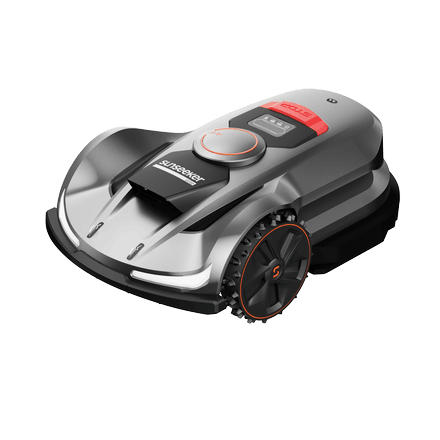
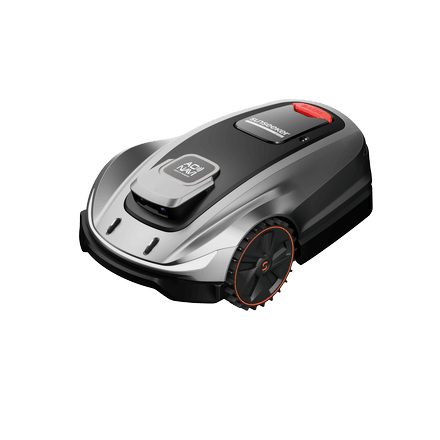
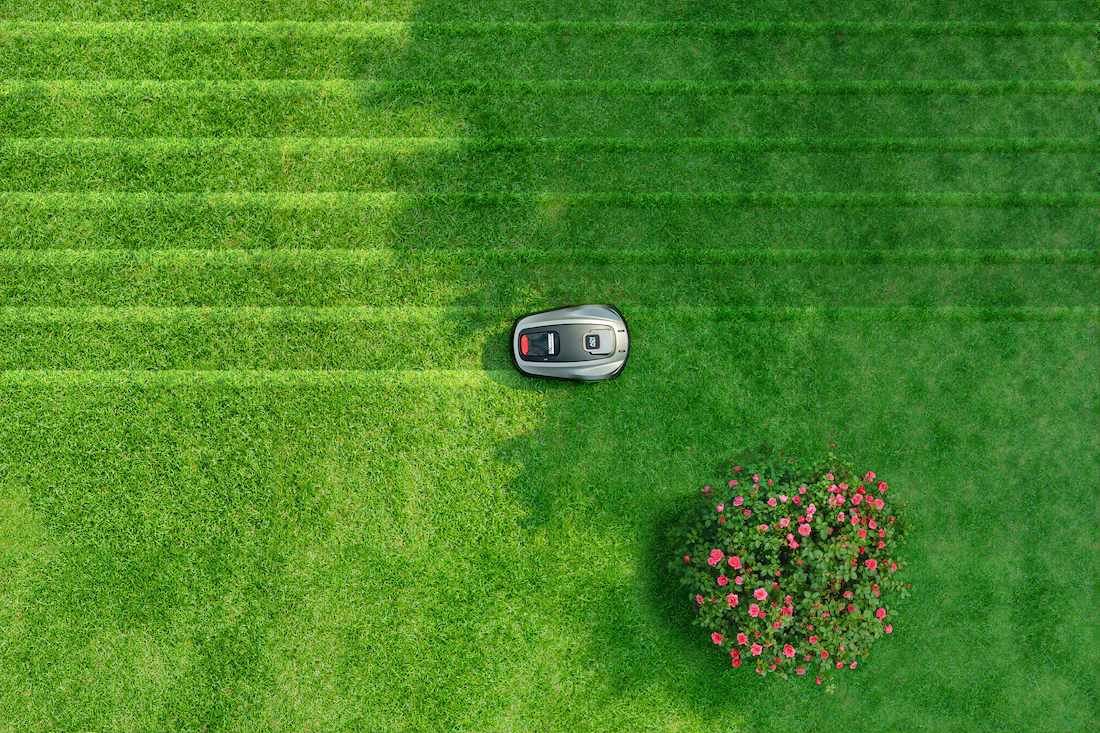
Mowing height: Tall fescue often does best around 8–10 cm, Kentucky bluegrass around 6–9 cm, bermudagrass often lower at about 8–10 cm, and St. Augustinegrass around 3–4 inches. If you use a robotic mower, this is why adjustable height matters; the Sunseeker Elite X7 Gen 2 has a 2–10 cm cutting-height range, making it easier to match mowing height to different lawn types.