



FAQs
4/30/2026
Contents
Products
Residential Lawns



Commercial Landscapes
Explore
Where to Buy


Summer mowing height should follow your grass type, not a fixed number for every lawn. Cool-season grasses usually need more height for shade and root protection, while warm-season grasses can often stay shorter during active growth. Cutting too low in hot weather can dry the soil, invite weeds, and leave the lawn brown or stressed.
Summer mowing plays a major role in how well your lawn handles heat, dryness, and frequent foot traffic. The right lawn height for summer depends on your grass type, since cool-season grasses and warm-season grasses respond differently to stress, growth cycles, and cutting frequency. So, how tall to mow lawn at in summer?
This blog explains the ideal lawn height for summer by grass type, how often to mow during hot months, common summer mowing mistakes, and practical pro tips for keeping your lawn healthy, green, and resilient. Use this guide to mow smarter and protect your yard all season long.
Summer mowing height plays a key role in keeping turf healthy, resilient, and attractive during heat stress. Use these grass-specific guidelines to support stronger growth.
Not every type of grass can handle extreme heat. If you have cool-season grass, you'll need to adjust your mower height to avoid damaging the root system.
For warm-season grasses, summer is the busiest growing season and the grass will spread rapidly creating a thick turf (especially Bermuda) that can withstand foot traffic.
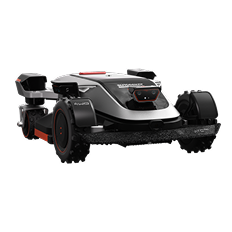
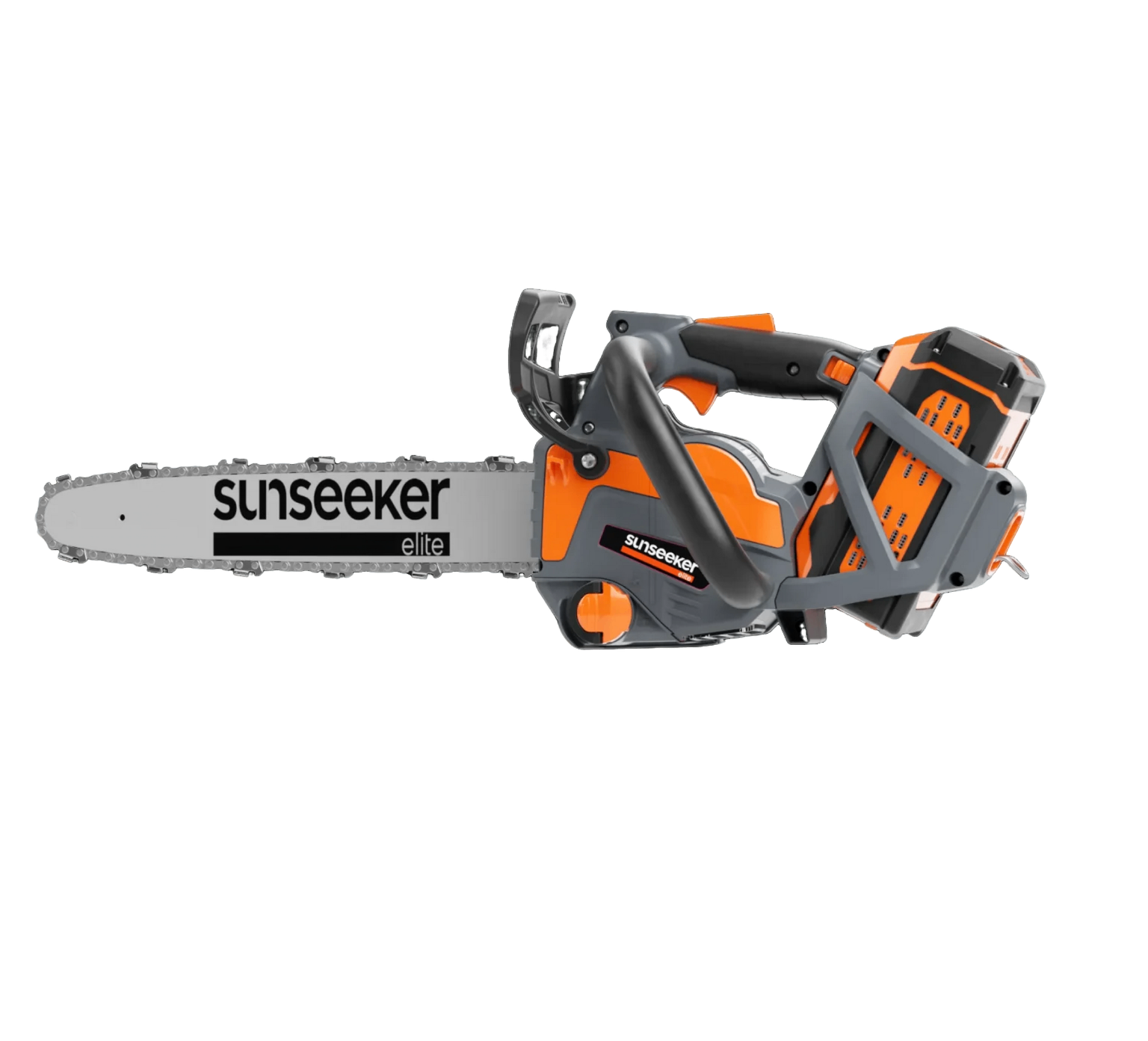
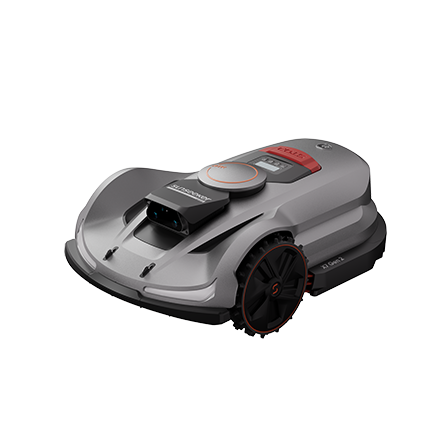
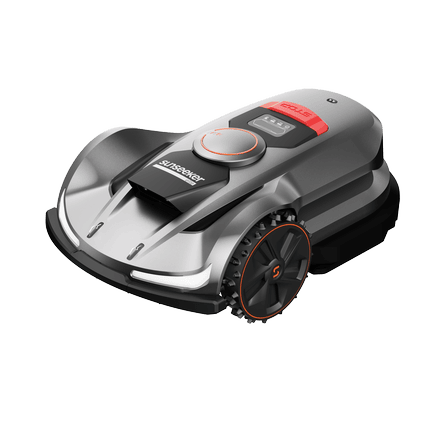
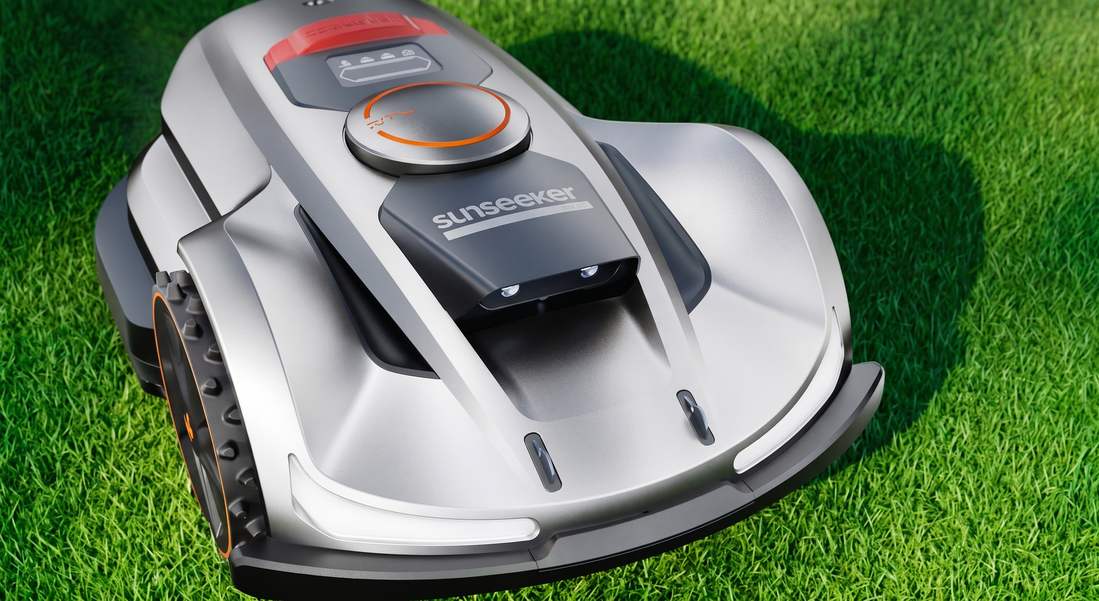
This is where the right lawn mower height settings can help. The Sunseeker Elite X7 has an electronic cutting height range of 20–100 mm, so you can raise or lower the blade height based on the season, grass growth, and lawn condition.
This makes it easier to keep your lawn in a healthy mowing range instead of cutting too much at once. Its app control, smart path planning, and multi-zone management are also helpful if different parts of your lawn grow at different speeds.
|
Season Category |
Grass Type |
Mow When Height Reaches |
Ideal Cut Height |
|
Cool Season |
Kentucky Bluegrass |
4.5" |
3" |
|
Cool Season |
Tall Fescue |
4" - 6" |
3" - 4" |
|
Cool Season |
Perennial Ryegrass |
4" - 6" |
3" - 4" |
|
Warm Season |
Bermuda Grass |
3" - 4" |
2" |
|
Warm Season |
Zoysia Grass |
3" - 3.5" |
2" - 2.5" |
|
Warm Season |
St. Augustine Grass |
4.5" - 6" |
3.5" - 4" |
|
Warm Season |
Centipede Grass |
3" |
2" |
The ideal lawn cutting height is based on the way your lawn is growing and not the calendar. Remember the one-third rule: never remove more than one-third of the total leaf surface area of your lawn when mowing.
In the summertime when there is a lot of rain, warm-season grasses will grow aggressively. Therefore, Bermuda grass needs to be mowed every 7 days, while centipede and zoysia will generally need to be mowed every 7-14 days. Conversely, cool-season grasses will slow their growth during the heat of summer and may require mowing only every 10-14 days.
Learning how to mow a lawn correctly can help prevent many of the problems homeowners encounter during the summer months. Below are the most common mistakes made in mowing a lawn.
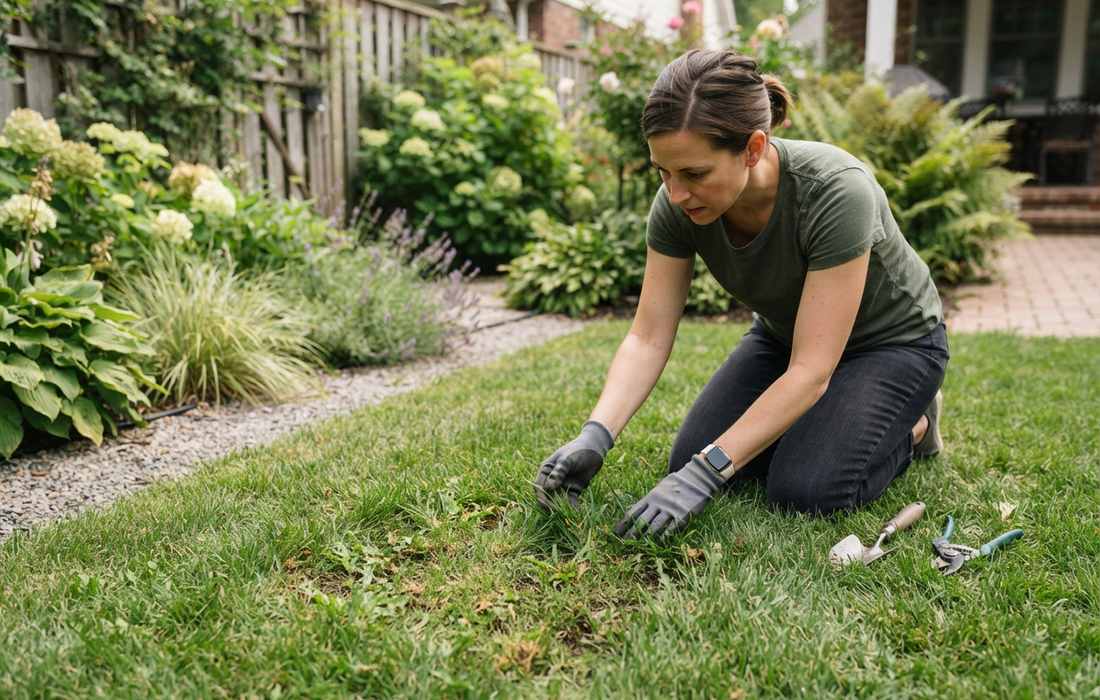
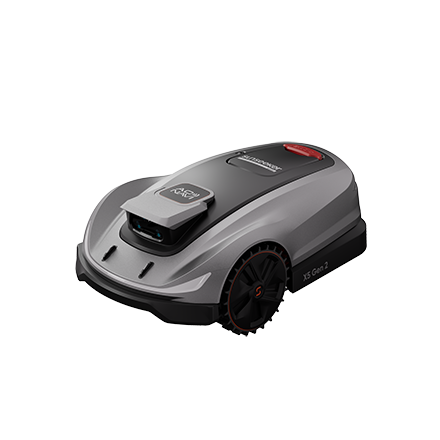
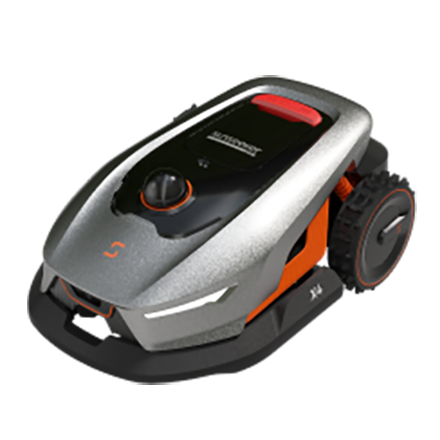
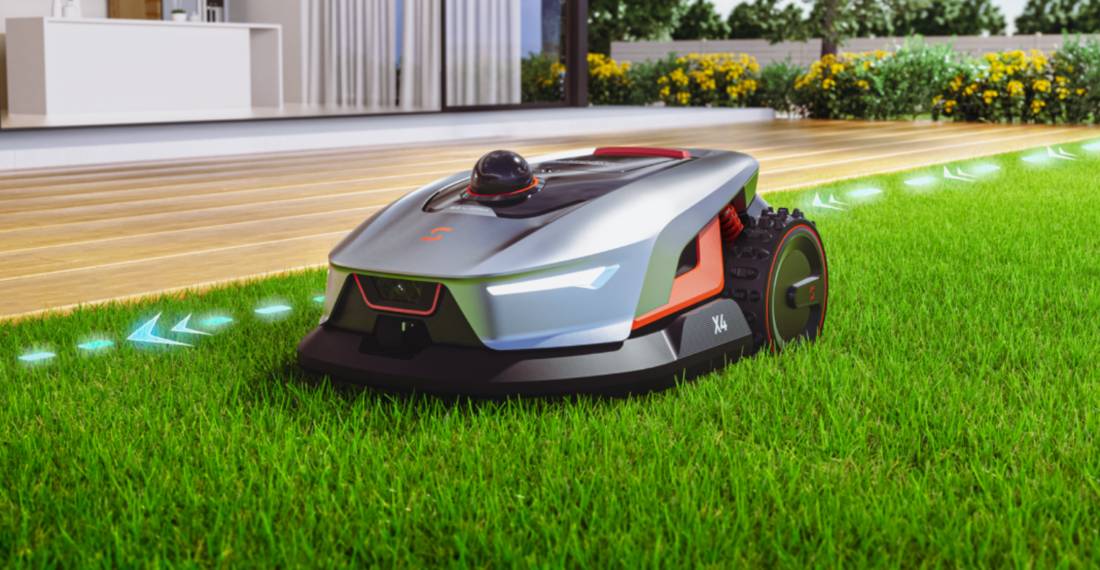
One of the biggest mistakes made in mowing a lawn is cutting the lawn too short. By cutting the grass too low, you put the lawn under great stress and more likely to require insecticides and herbicides. Sunseeker Elite X4 is an intelligent robotics option that prevents ground scalping by utilizing floating cut technology to elevate the blade in relation to the ground level.
If you cut wet grass, the mower deck will become clogged and will produce an uneven cut and leave wet grass clumps that smother the lawn. Additionally, when cutting over wet grass, you can unintentionally spread fungus over your lawn. If you are wondering what is the best time to mow lawn in summer, aim for mid-morning after the dew has dried or late afternoon when the heat has eased.
If you cut wet grass, the mower deck will become clogged and will produce an uneven cut and leave wet grass clumps that smother the lawn. Additionally, when cutting over wet grass, you can unintentionally spread fungus over your lawn. Therefore, do not mow wet grass; wait until the grass has dried.
To maintain your lawn's color and health through the summer, you'll need to adjust your normal care routine. Follow these tips to protect it from extreme heat and drought.
When mowing your lawn, leave the clippings on the lawn to decompose naturally instead of bagging them up and throwing them away. If you leave your grass clippings on the lawn, you will reduce the amount of fertilizer needed because you recycle nutrients through your grass clippings.
If you mow and water the lawn every day, the roots will only stay close to the surface of the ground. When you water once a week (deep water - 10 to 15 cm) you force the root system out of the upper part of the soil to search for moisture during dry weather. This is accomplished by allowing the top 5-7.5 cm of soil to dry out before you water again.
You would think that everyone knows this but most people do not. A dull blade will make rough cuts and the grass will not heal as quickly as if you had a sharp blade. Therefore, sharp blades not only result in cleaner cuts but also cause the grass to recover faster and make your yard look nicer than if you used a dull blade.
Your lawn does not need to look perfect all the time. But it does need you to understand how it grows, especially when deciding how tall to mow lawn at in summer. A good rule is to watch your grass and let its height guide you. If you mow too low, too often, or at the wrong time, the lawn can become stressed. This is one of the biggest reasons summer lawns turn brown, patchy, and full of weeds.
Yes, for almost all types of grasses (except for warm season grasses such as Bermuda grass), the best height to mow lawn is on the taller side. The taller you leave the grass blades, the cooler the soil will be, which means that you will not have to water as much and you will not have as many weeds.
Yes, mowing to below 50 mm of height reduces drought tolerance in your grass and makes your grass more susceptible to disease, as well as allowing crabgrass to invade your lawn. If you are scalping during extreme heat, you could destroy large areas of your cool season grasses. By cutting the grass too low, the grass plant will not be able to make food for its roots anymore.
You should mulch your grass clippings if you are mowing frequently and the grass clippings are small. The clippings will break down quickly and provide food for the soil after they decompose. Bag the grass clippings if you have let your lawn grow too tall and bagging them will prevent clumps of cut grass from covering the green grass.
Yes, if your grass is taller, it will also shade the ground and will not allow weed seeds (like crabgrass) to germinate. If you keep your grass cut at the proper height, you will increase the resistance to weed infestations and decrease the likelihood of disease with tall fescue. If you scalped the grass blades, you will encourage a significant weed infestation with crabgrass.