













How to Tell If Lawn Damage Is Really From Moles?
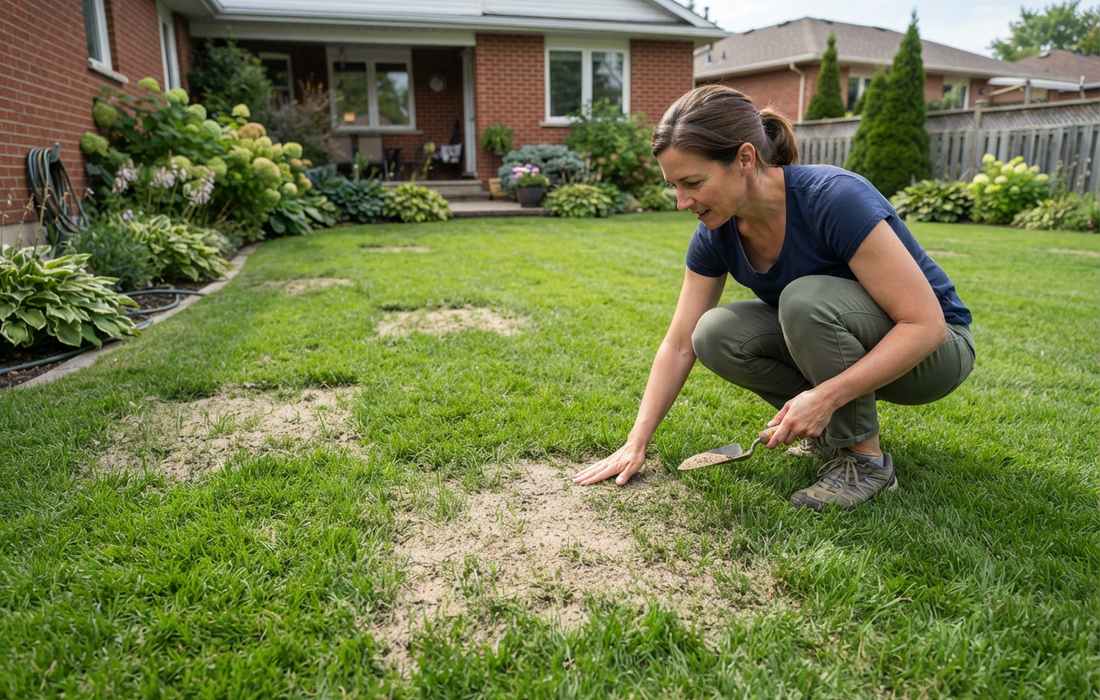
Before choosing a control method, make sure the damage is really from moles. Moles are insect-eating mammals that tunnel through soil looking for earthworms, grubs, and other invertebrates. They usually leave raised ridges, volcano-shaped molehills, or soft, sunken lines where tunnels collapse.
Voles, by contrast, feed on plants and often make surface runways through grass, chew stems, and damage roots. Gophers create larger soil mounds and may pull plants underground. Before treating the lawn, look for the pattern: raised soil ridges without obvious plant chewing point strongly toward moles.
Why Are Moles in Your Lawn in the First Place?
Moles come into lawns because the soil gives them what they need: food, cover, and easy digging. They mainly feed on earthworms, grubs, and other soil insects, so a lawn with active soil life can attract them even if the grass itself is healthy.
Moist, loose soil is especially appealing because it is easier for moles to tunnel through. After rain or heavy watering, mole activity may become more noticeable as they move closer to the surface. Garden beds, shaded areas, mulch edges, and lawns near wooded spaces can also give them good conditions for travel and feeding.
It is important to remember that moles are not eating the grass roots in most cases. The lawn damage usually comes from tunneling, lifted soil, and disturbed roots. That is why the best solution starts with finding active tunnels and reducing future activity, rather than only flattening ridges or filling holes.
What Are the Best Ways to Get Rid of Moles in Your Lawn?
The best way to get rid of moles depends on how active the tunnels are and how much of the lawn is affected. Start with lighter, non-lethal methods for small problems, but use more direct control if fresh tunnels keep coming back.
Use Castor Oil Repellents
Castor oil repellents are a common non-lethal option for mild mole activity. They do not poison moles. Instead, they make the treated soil less appealing, which may encourage moles to move elsewhere.
Most products come as granules or liquid and need to be watered into the soil so they reach the tunnel zone. For better results, apply the repellent in a planned direction. Start near the area you want to protect, then work outward so the mole has somewhere to go. Rain, irrigation, and time can weaken the effect, so repeat applications may be needed according to the label.
Install Underground Barriers
Underground barriers work best when you want to protect a small, defined area, such as a raised bed, vegetable garden, or narrow planting strip. A buried mesh or hardware cloth barrier can stop moles from entering that space.
This method is usually not practical for an entire lawn because it takes a lot of digging and planning. It works better before damage starts or during a garden renovation. If tunnels already run across a large lawn, barriers may protect certain zones but will not solve the whole problem.
Try Scent-Based Deterrents
Some homeowners use strong-smelling plants or scent deterrents around problem areas. These may help around small beds or borders, but they should be seen as extra support, not a reliable standalone fix.
Avoid putting mothballs, gasoline, harsh household chemicals, or other unsafe substances into tunnels. They can harm soil, water, pets, and people, and they usually do little to remove the actual mole problem.
Place Traps in Active Runs
When fresh tunnels keep appearing, trapping is usually the most effective method. It targets the active tunnel instead of trying to treat the whole yard.
Choose a tunnel that has been pressed down and raised again within 24–48 hours. Straight runs along a driveway, path, fence, or a line between molehills are often better places for traps than random shallow ridges. Follow the trap instructions carefully, because correct placement matters more than the number of traps used.
When to Call a Professional?
If trapping feels uncomfortable, local rules are unclear, or the tunnels keep returning, a professional can help. A good pest or wildlife control specialist should first confirm active mole signs, explain the method they plan to use, and avoid unnecessary broad treatments. This is often the better choice when activity is heavy, repeated, or spread across several areas of the lawn.
How Do You Keep Moles from Coming Back?
Keeping moles away is mostly about making the lawn less inviting and catching new activity early. After the main tunnels are under control, focus on soil conditions, food sources, barriers, and regular lawn checks.
Reduce Serious Grub Problems
Moles eat earthworms, grubs, and other soil insects. You should not try to remove all soil life, but a heavy grub problem can make the lawn more attractive. If you see brown patches, loose turf, or animals digging for grubs, confirm the infestation first, then follow a targeted approach for how to get rid of grubs in a lawn rather than treating all soil life broadly.
Avoid Overwatering the Lawn
Moist, soft soil is easier for moles to dig through. Water deeply but less often instead of keeping the surface constantly wet. This supports stronger grass roots while making the top layer less ideal for shallow tunneling.
Watch for Fresh Tunnels
After repair, check the lawn regularly for new raised ridges or fresh soil mounds. Press down a small section of tunnel and see if it rises again within 24–48 hours. Early action is easier than waiting until tunnels spread across the yard.
Keep the Lawn Dense and Healthy
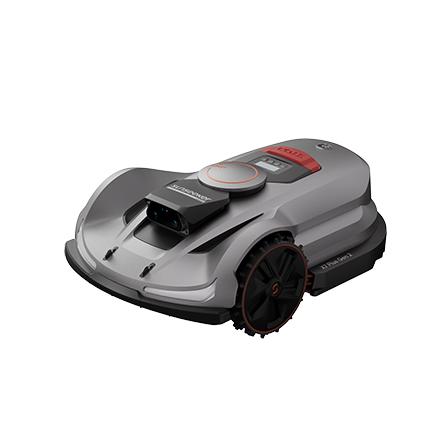
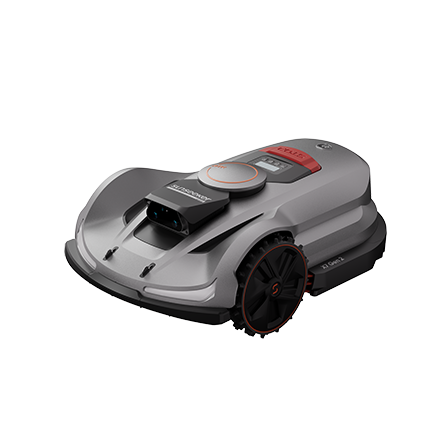
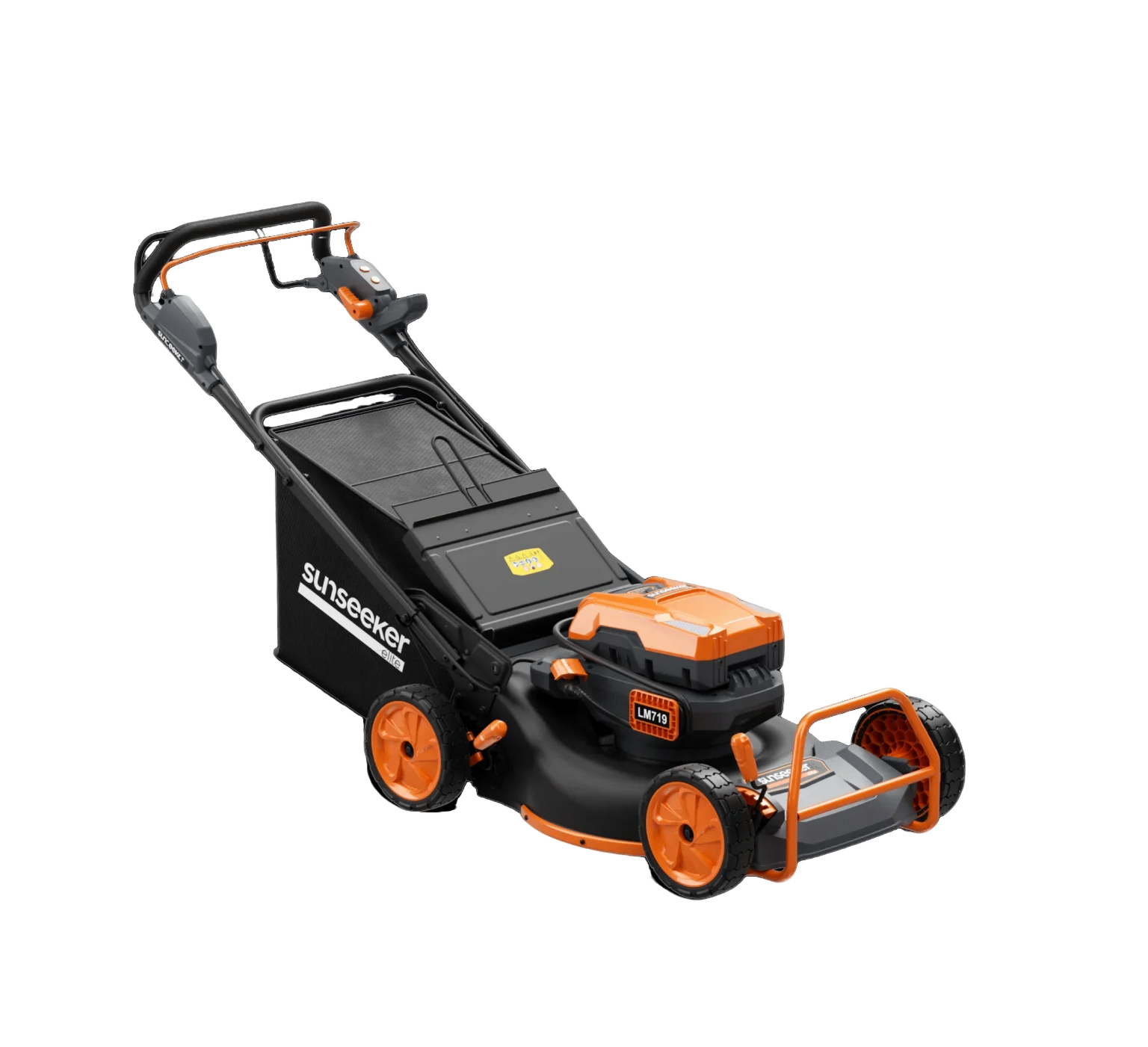
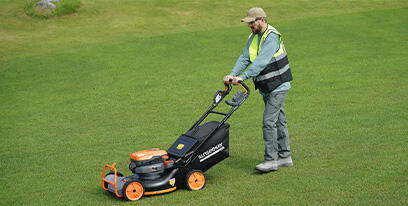
A thick lawn will not stop moles completely, but it can recover better from surface damage and make tunnels less noticeable after repair. Regular mowing, proper watering, aeration when needed, and overseeding thin patches all help the grass stay stronger. For larger lawns, a mower like the Sunseeker Elite X7 Gen 2 can also support this routine by keeping the grass at a consistent height with less manual effort. If mole activity returns, a dense, well-maintained lawn will be easier to level, reseed, and bring back into shape.