










FAQs
4/21/2026
Contents
Products
Residential Lawns





Commercial Landscapes
Explore
Where to Buy


Earth Day quizzes engage participants in learning about environmental issues, covering topics like climate change, pollution, biodiversity, sustainability, and eco-friendly habits. They highlight how daily choices affect the planet and encourage actionable behaviors. Smart lawn care exemplifies practical, low-impact solutions for maintaining green spaces.
Earth Day is one of those moments in the year that quietly reminds us of something big: we all share the same planet. Whether it’s clean air, oceans, forests, or even the food we eat, everything connects back to how well we take care of Earth.
But a lot of what we think we know about the environment isn’t always accurate, and sometimes the facts are more interesting than we expect. That’s exactly why a quiz can be fun here; it’s not just about testing knowledge, it’s about learning something new along the way. So if you’re up for a quick challenge, this Earth Day quiz will help you explore how much you really know about the planet, and you might even learn a few new things along the way.

An Earth Day quiz is a simple way to check how much you know about the environment. It can cover topics like climate change, wildlife, recycling, and how daily habits affect the planet. The questions are usually short and easy to follow, with a mix of fun and a bit of challenge.
A good quiz can help you spot small gaps in what you know and clear up common myths. It may also get you thinking about everyday habits, like how you use energy or manage waste. Ready to give it a try? Let’s start!
This set of quiz questions on Earth Day covers everything from Earth Day history to climate change, wildlife, and everyday habits that impact the planet.
1.When is Earth Day celebrated?
A. March 21
B. May 5
C. April 22
D. June 1
2.In which year was the first Earth Day held?
A. 1970
B. 1965
C. 1980
D. 1990
3.Who founded Earth Day?
A. John Muir
B. Al Gore
C. Rachel Carson
D. Gaylord Nelson
4.Where did Earth Day originate?
A. Canada
B. United States
C. UK
D. Australia
5.What was the main goal of the first Earth Day?
A. Celebrate nature
B. Promote tourism
C. Plant crops
D. Raise environmental awareness
6.How many people participated in the first Earth Day?
A. 5 million
B. 50 million
C. 20 million
D. 100 million
7.What type of event was the first Earth Day?
A. Festival
B. Parade
C. Conference
D. Teach-in
8.When did Earth Day become global?
A. 1990
B. 1980
C. 2000
D. 2010
9.Which agreement was linked to Earth Day 2016?
A. Kyoto Protocol
B. Montreal Protocol
C. Geneva Convention
D. Paris Agreement
10.What is Earth Day’s purpose today?
A. Entertainment
B. Sports events
C. Political campaigns
D. Environmental protection
1.What is the main cause of climate change?
A. Natural cycles
B. Human activities
C. Solar energy
D. Ocean tides
2.Which gases cause global warming?
A. Oxygen
B. Nitrogen
C. Greenhouse gases
D. Hydrogen
3.What is the main source of greenhouse gases?
A. Burning fossil fuels
B. Plant growth
C. Rainfall
D. Soil erosion
4.What happens when heat is trapped in the atmosphere?
A. Cooling
B. Wind stops
C. Temperature rises
D. Rain increases
5.What is a major effect of global warming?
A. More forests
B. Rising sea levels
C. Less sunlight
D. More oxygen
6.Which disasters are linked to climate change?
A. Earthquakes
B. Floods and wildfires
C. Volcanoes
D. Landslides
7.What temperature limit do scientists aim to stay under?
A. 5°C
B. 3°C
C. 1.5°C
D. 10°C
8.Which sector emits the most greenhouse gases?
A. Education
B. Retail
C. Tourism
D. Energy
9.Which gas is most responsible for warming?
A. Oxygen
B. Carbon dioxide
C. Helium
D. Neon
10.What is a solution to climate change?
A. More plastic
B. Renewable energy
C. Cutting trees
D. Burning coal
1.What is pollution?
A. Cleaning environment
B. Recycling
C. Growing plants
D. Environmental contamination
2.Which pollution affects oceans most?
A. Noise
B. Plastic pollution
C. Light
D. Heat
3.What is BPA found in?
A. Plastic
B. Metal
C. Wood
D. Glass
4.What does BPA affect?
A. Bones
B. Hormones
C. Hair
D. Muscles
5.What is a major source of air pollution?
A. Trees
B. Rivers
C. Factories
D. Soil
6.What happens to animals due to pollution?
A. Grow faster
B. Change color
C. Become stronger
D. Habitat damage
7.What affects drinking water?
A. Air pollution
B. Water pollution
C. Noise pollution
D. Light pollution
8.What helps reduce pollution?
A. Burning waste
B. Recycling
C. Cutting forests
D. Mining
9.Why are lawns important for the environment?
A. They increase pollution
B. They waste water
C. They produce plastic
D. They help absorb carbon dioxid
10.What is an eco-friendly way to maintain a lawn?
A. Using large amounts of chemical pesticides
B. Overwatering every day
C. Using smart or automated lawn care solutions
D. Cutting grass too frequently
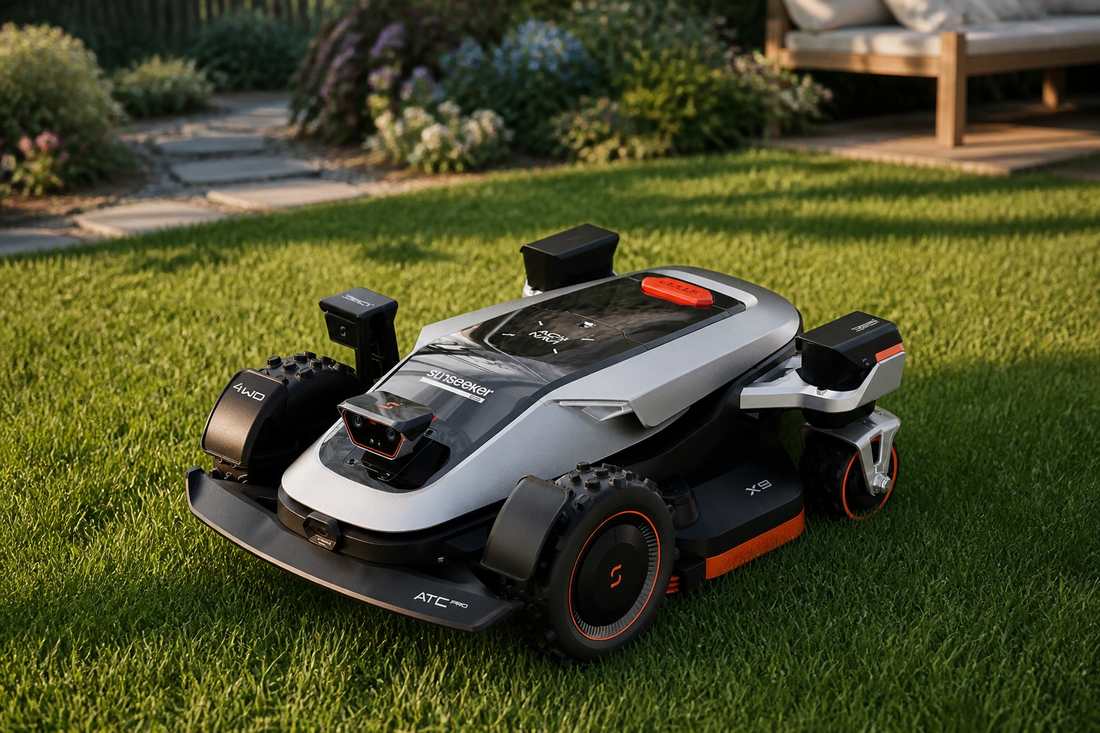
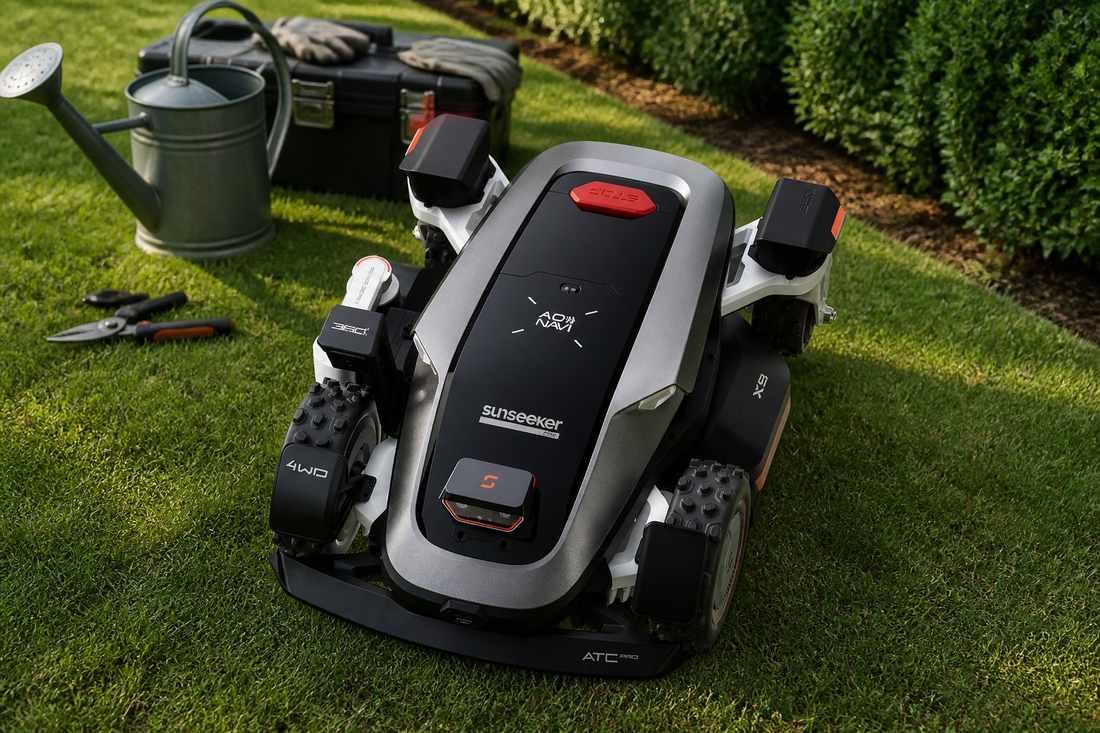
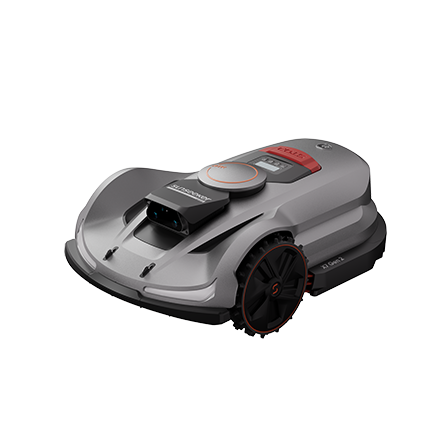
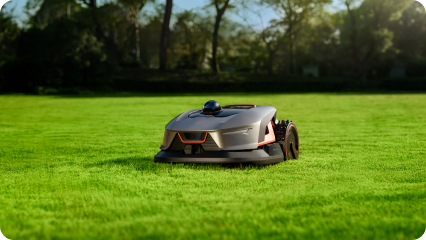
Following this idea, robot lawn mowers are becoming a smart and eco-friendly choice for modern lawn care. They help keep grass at a healthy height with less effort, and many models use electricity instead of gas, which can reduce emissions.
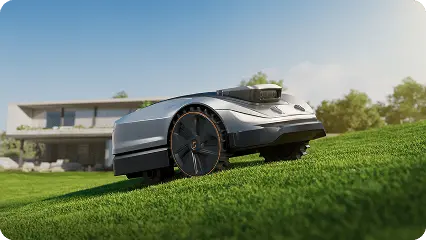
For larger and more complex lawns, the Sunseeker Elite X7 Plus Gen 2 offers a more advanced solution. Its precise navigation helps avoid unnecessary overlap, which supports efficient mowing and lower energy waste while making lawn care easier to manage.

1.What is biodiversity?
A. Variety of life
B. Weather patterns
C. Soil types
D. Water cycles
2.Where do most land species live?
A. Oceans
B. Forests
C. Deserts
D. Mountains
3.What is happening to wildlife populations?
A. Increasing rapidly
B. Stable
C. Declining
D. Unknown
4.What is extinction?
A. Migration
B. Species disappearing forever
C. Breeding
D. Evolution
5.What causes biodiversity loss?
A. Rain
B. Human activities
C. Wind
D. Sunlight
6.What role do bees play?
A. Hunting
B. Swimming
C. Pollination
D. Digging
7.Why are forests important?
A. Decoration
B. Habitat for species
C. Noise reduction
D. Tourism
8.What is conservation?
A. Expanding cities into natural areas
B. Using up resources as quickly as possible
C. Protecting and managing natural resources
D. Avoiding all interaction with nature
9.What is the most threatened species group?
A. Birds
B. Amphibians
C. Insects
D. All of the above
10.How can we protect biodiversity?
A. Expanding farmland into wild areas
B. Restoring natural habitats and protecting ecosystems
C. Increasing industrial waste output
D. Removing native species from ecosystems
1.What is sustainability?
A. Using resources quickly
B. Wasting resources
C. Ignoring environment
D. Using resources responsibly
2.What contributes to global emissions?
A. Sports
B. Music
C. Food systems
D. Art
3.Which diet is eco-friendly?
A. Meat-heavy
B. Fast food
C. Junk food
D. Plant-based
4.What is fast fashion?
A. Handmade clothes
B. Expensive clothing
C. Mass-produced clothing
D. Vintage clothing
5.How can food waste be reduced?
A. Throw leftovers
B. Eat leftovers
C. Ignore food
D. Buy more
6.What is a green habit?
A. Wasting water
B. Burning fuel
C. Littering
D. Saving energy
7.What type of bags are eco-friendly?
A. Plastic
B. Reusable bags
C. Single-use
D. Paper only
8.How can water be saved?
A. Leave taps on
B. Waste water
C. Turn off taps
D. Spill water
9.Why reduce meat consumption?
A. Taste
B. Habit
C. Lower emissions
D. Cost only
10.What is a simple eco-friendly action?
A. Driving short distances alone
B. Leaving lights on all day
C. Using single-use plastics often
D. Using public transport or carpooling
Earth Day is a reminder that everyday choices can shape the health of the planet. Alongside taking an Earth Day quiz, following a spring lawn care checklist for a greener Earth Day can turn environmental awareness into practical action. Simple steps such as conserving water, mowing responsibly, and reducing chemical use may seem small, but their effects build over time. When more people adopt sustainable habits, these individual efforts combine to create a meaningful and lasting environmental impact.
The father of Earth Day is Gaylord Nelson, a U.S. senator who founded the movement in 1970. He wanted to bring public attention to growing environmental issues like pollution and habitat loss. His efforts led to the first Earth Day, which united millions of people and helped push environmental protection into global awareness.
An Earth Day quiz should cover a balanced mix of environmental topics such as climate change, pollution, wildlife protection, recycling, and sustainable living. It can also include questions about Earth Day history and current environmental challenges. This helps participants understand both the science and the everyday impact of protecting the planet.
Anyone can take an Earth Day Quiz. It works well for kids, students, teachers, families, and even adults at work or community events. The questions can be easy or challenging, so the quiz can be adjusted for different age groups and knowledge levels.