













FAQs
4/21/2026
Contents
Products
Residential Lawns











Commercial Landscapes
Explore
Where to Buy


Earth Day activities encourage hands-on learning and environmental stewardship. Ideas include tree planting, clean-ups, recycling, composting, and school or community projects. Integrating smart tools like Sunseeker robotic mowers demonstrates practical, low-impact lawn care. Simple, consistent actions foster awareness, teamwork, and lasting positive habits for both students and broader communities.
Earth Day is a great reminder to slow down and think about how we treat the planet. But instead of just talking about it, why not actually do something meaningful? Whether you’re part of a school, a local group, or just someone who wants to make a small difference, there are plenty of simple ways to get involved.
The best part is, Earth Day activities don’t have to be complicated. Even small actions like planting a tree, cleaning up a park, or reducing waste can have a real impact. In this article, we will share 15 practical and inspiring ideas that are easy to organize and genuinely enjoyable.

Earth Day is a global event dedicated to raising awareness about protecting the environment. It’s a day when people come together to think about issues like pollution, climate change, deforestation, and how everyday habits affect the planet. The main idea is simple: take better care of Earth and encourage others to do the same.
Earth Day is celebrated every year on April 22. It started in 1970 and has grown into a worldwide movement involving schools, communities, organizations, and governments. On this day, people take part in activities like tree planting, clean-up drives, and environmental education to make a positive impact, even if it’s just a small one.
Earth Day becomes more meaningful when people move beyond discussion and participate in simple, hands-on activities. Creating a spring lawn care checklist for a greener Earth Day is one practical idea that schools, families, and communities can easily organize. By encouraging responsible mowing, water conservation, natural fertilization, and reduced chemical use, this activity helps participants build a stronger connection with the environment.
This is a simple Earth Day activity that works for all age groups. Students or even adults can design posters with messages about saving water, reducing plastic, or recycling. These signs can be displayed at school or at home to remind everyone of small daily habits. It’s one of those Earth Day activities for students that quietly influences behavior over time.
The No Plastic Day Challenge encourages students to avoid using single-use plastic for an entire day, including plastic bags, bottles, straws, and packaging. Instead, students can use eco-friendly alternatives such as reusable bottles, cloth bags, and steel or glass containers.
This activity helps students become storytellers for the environment. They can research a topic like pollution or climate change and turn it into a short video or presentation. It also helps them understand the topic better because they have to explain it in their own words. Sharing it with classmates or the school makes the impact even bigger.
Planting trees is one of the most meaningful Earth Day activities for students and adults alike. It teaches students patience and responsibility because they can watch something grow over time. Trees also improve air quality and support wildlife, making this activity both educational and meaningful. It’s a small action with long-term benefits.
Pollution experiments help students see environmental problems in action. For example, they can observe how dirty water affects plants or how waste builds up over time. This makes the issue feel more real compared to just reading about it. It also encourages them to think about prevention instead of just solutions.
A clean-up activity is simple but very effective. Students can collect litter around the school or nearby areas and sort it into categories like plastic, paper, and metal. This helps them understand what kind of waste is most common. It also builds a sense of responsibility toward shared spaces.
Old phones, batteries, and gadgets shouldn’t end up in regular trash. A collection drive helps students learn about safe recycling of electronics. It also raises awareness about how harmful e-waste can be for the environment. Schools can even partner with recycling centers for proper disposal.
This is one of the most fun Earth Day activities for kids. Using recycled materials, they can make useful items like pencil holders or toys. It also works as a creative Earth Day activity for kindergartners since it builds basic awareness about reuse. It teaches that waste can be turned into something useful.
Next, a nature walk gives students a chance to explore the outdoors and observe plants, insects, and ecosystems. While walking, they can also pick up litter and help clean the area. This combination of learning and action makes the experience more memorable. It also builds appreciation for natural spaces.
Recycling activities can be turned into games where students sort different types of waste. Upcycling takes it further by transforming old items into something new. For example, jars can become storage containers or decorations. These Earth Day activities for students help them understand how everyday items can be reused instead of thrown away.
Books and documentaries make environmental topics easier to understand. They show real stories about nature, wildlife, and climate change in a simple way. Students can learn how people and animals are affected by environmental problems. It also helps spark curiosity and discussion.
School garden maintenance gives students a simple way to care for the environment in daily life. They can water plants, pull weeds, collect fallen leaves, and keep the space clean and healthy. These small tasks build a sense of responsibility and help students see how green spaces support cleaner air and biodiversity.
Composting is a practical Earth Day activity for students and families. Composting is a great way to turn food waste into something useful. Students can learn how fruit peels and vegetable scraps break down into natural fertilizer. It’s a hands-on science activity that shows how nature recycles itself. It also reduces waste going to landfills.
Students create and maintain a small garden in the classroom or school area by growing herbs, flowers, or small plants. This activity helps them learn how plants grow and understand the importance of caring for nature in a hands-on way. It also builds a sense of responsibility, as students regularly water, observe, and look after the plants together.
A community green space care day is a great way to bring students, teachers, and local residents together for Earth Day. Everyone can help clean parks, pick up litter, pull weeds, and care for shared outdoor areas, while learning why these spaces matter to the whole community.
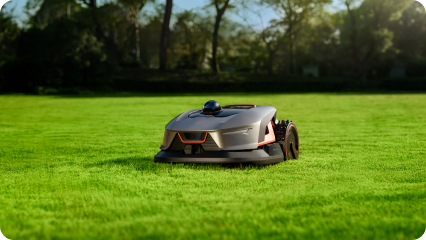
For larger fields or more complex green spaces, modern solutions can also play a role. The Sunseeker Elite X5 Gen 2 shows a more efficient approach to lawn care, with precise navigation, wire-free setup, and reliable coverage designed to handle bigger areas with less effort.

Earth Day is a reminder that protecting the planet starts with small, consistent actions. From simple classroom Earth Day activities to everyday lifestyle choices, every effort makes a difference. The goal isn’t perfection, but building awareness and taking steady steps toward better habits over time. When people stay mindful of their impact and work together, these small actions can lead to meaningful and lasting positive change for the environment.
Simple Earth Day activities include tree planting, school or neighborhood clean-ups, recycling drives, and eco-friendly crafts. You can also reduce electricity use, save water, or encourage others to adopt greener habits. These activities don’t require much effort but help build strong environmental awareness over time for both kids and adults.
Earth Day traditions usually focus on community action and education. People take part in tree planting events, environmental workshops, clean-up campaigns, and school programs. Many organizations also run awareness drives about climate change and sustainability. The main idea behind these traditions is to bring people together to protect the environment.
At home, you can celebrate Earth Day by reducing waste, recycling properly, and saving energy and water. You can also start a small garden, compost food scraps, or watch nature documentaries with your family. Even small actions like switching off unused lights or avoiding plastic can make a positive difference.