



FAQs
1/16/2026
Contents
Products
Residential Lawns

Commercial Landscapes
Explore
Where to Buy


The smart home revolution has moved beyond our living rooms and kitchens, stepping confidently into the great outdoors. Today, a truly connected home includes the garden and yard. Robot mowers are evolving from simple grass-cutting tools into intelligent components of automated outdoor solutions. This article will show you a robotic mower how to seamlessly integrate into your smart home ecosystem, transforming lawn care from a weekend chore into a seamless part of modern, convenient living.
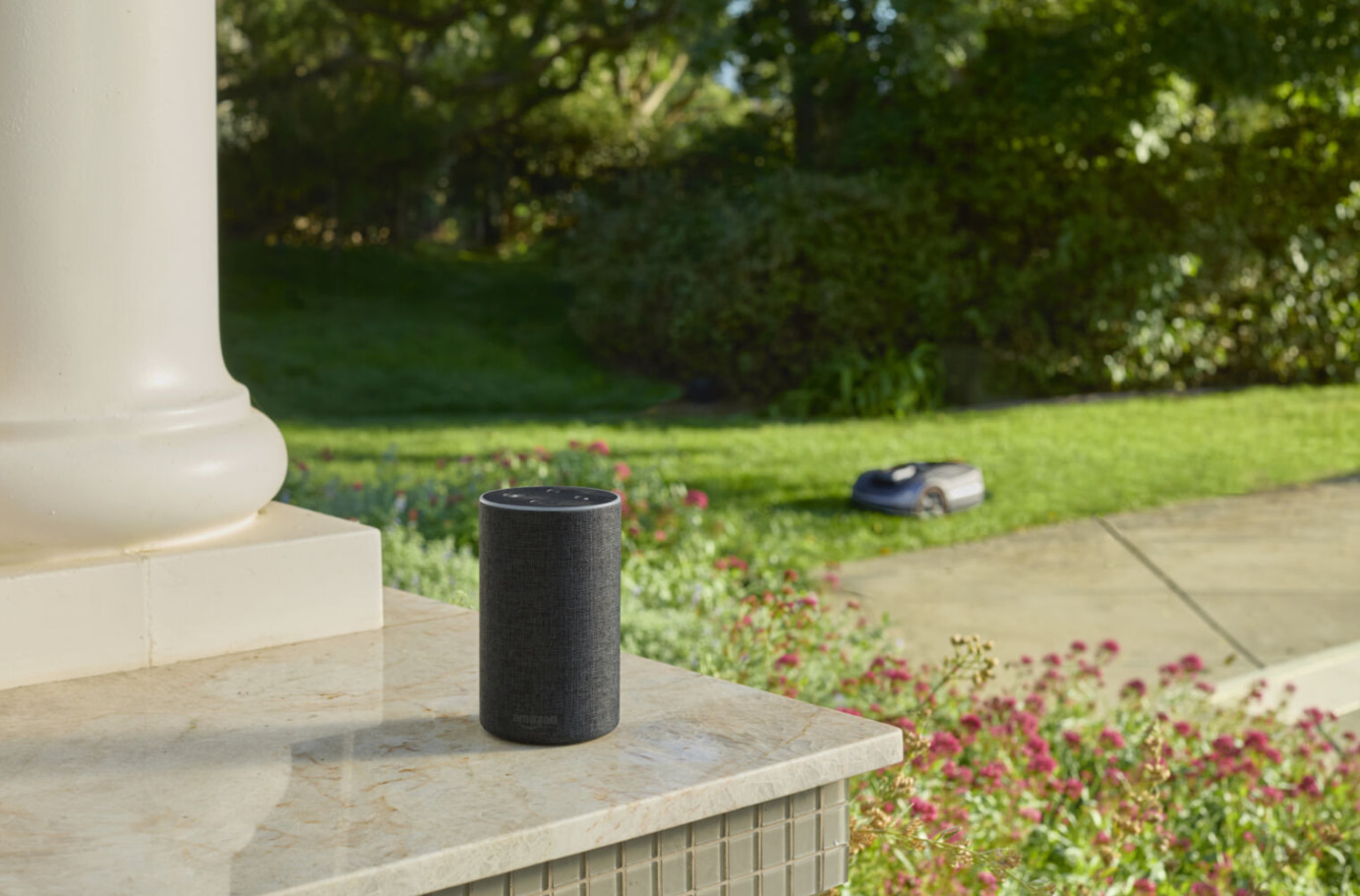
For years, smart home technology has let us control lights, thermostats, and security with ease. Now, this convenience is moving outdoors, making gardens the next frontier of connected living. A modern smart garden integrates sensors, automation, and connected devices to manage watering, lighting, and lawn care efficiently, creating an intelligent, responsive outdoor space that adapts to changing conditions.
Among them, robot mowers are taking the spotlight in the smart home space, providing precise, hands-free lawn maintenance while connecting with other outdoor devices. More than a tool, they transform manual lawn care into a seamless, data-driven, fully automated outdoor experience.
The magic of a robot mower lies in its ability to operate independently, making decisions based on its environment and your instructions.
Modern robot mowers feature advanced navigation systems, such as GPS, LiDAR, and AI-powered cameras, to accurately map your garden and understand its layout. These technologies allow the mower to navigate boundaries independently, recognize fixed and moving obstacles, and adjust its path in real time. As a result, it can maneuver safely around trees, furniture, pets, and people while maintaining consistent coverage, even in complex or irregularly shaped lawns.
At the center of smart garden integration is a dedicated smartphone app or connection to an existing smart home hub, giving you full remote control over lawn care. Through this interface, you can schedule mowing sessions, adjust cutting height for seasonal needs, create multiple virtual zones for complex layouts, and define no-go areas to protect flower beds.
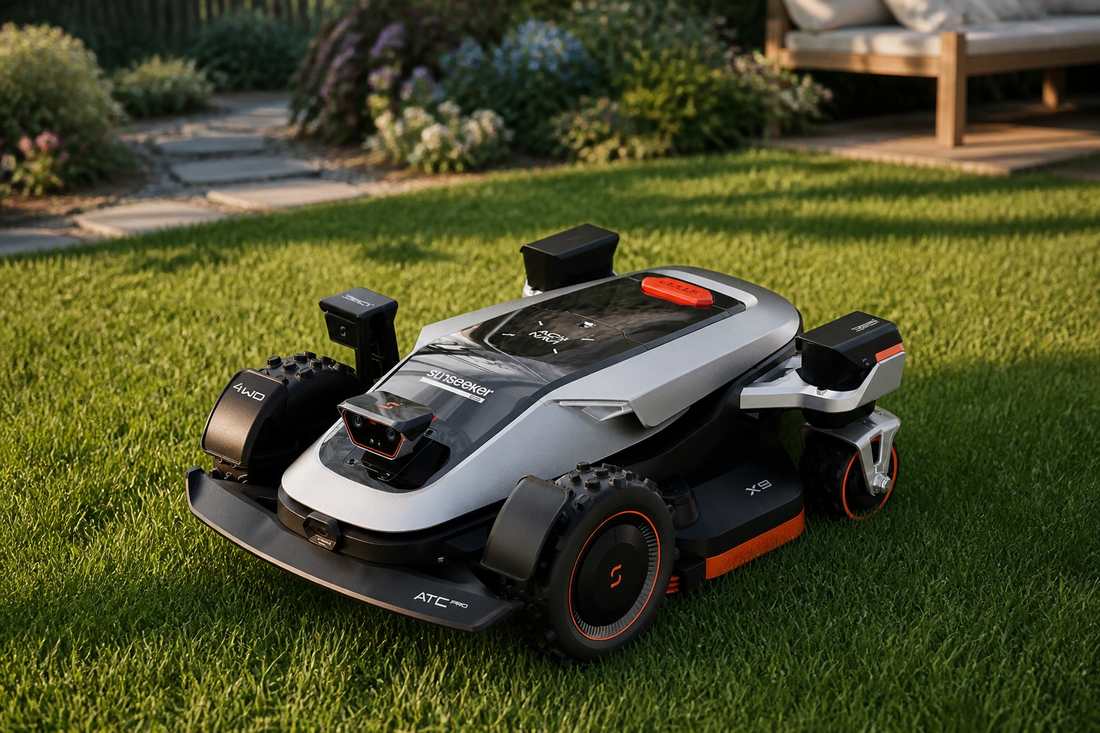
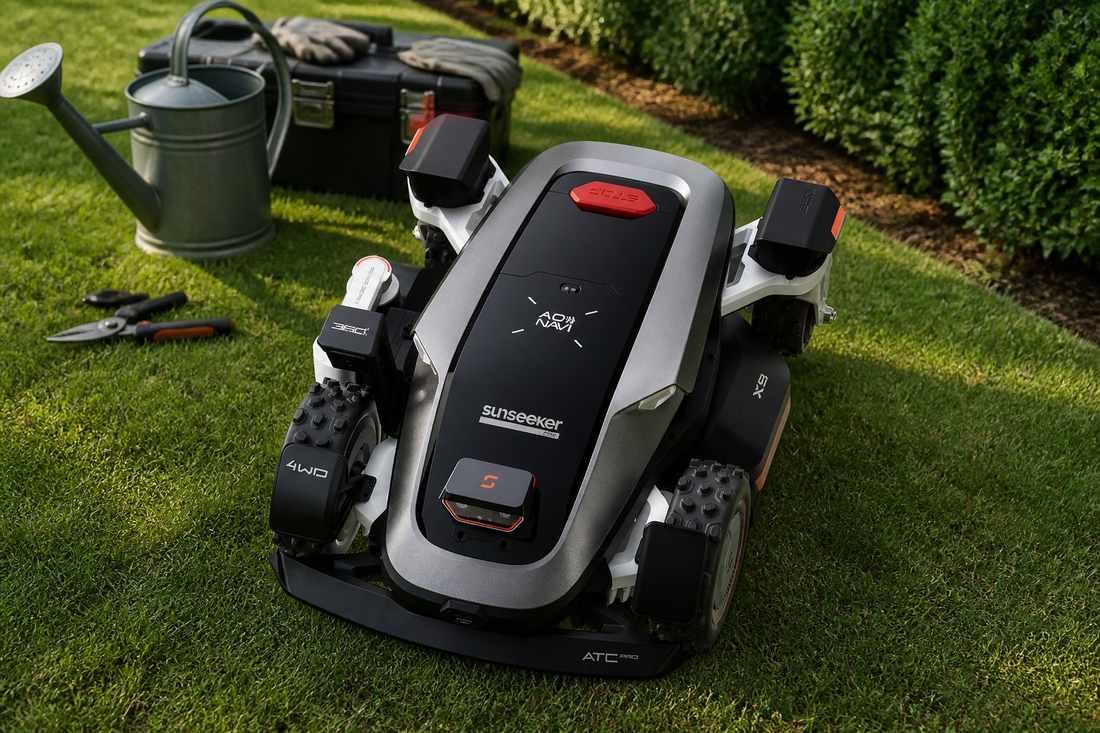
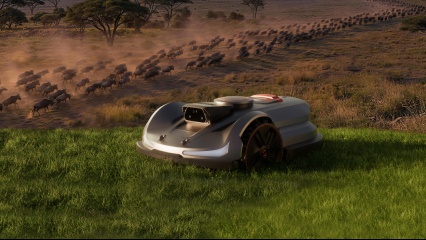
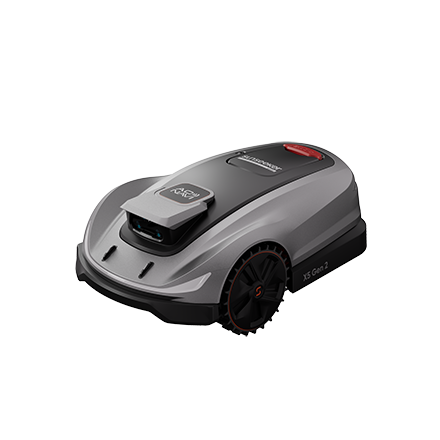
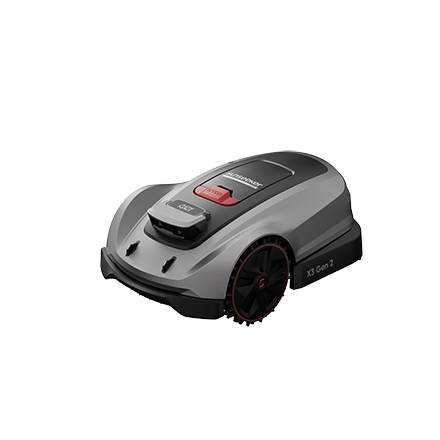
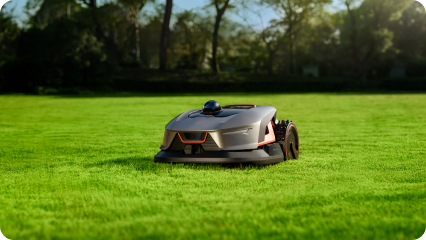
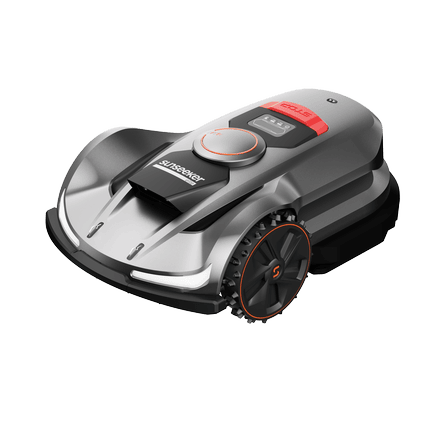
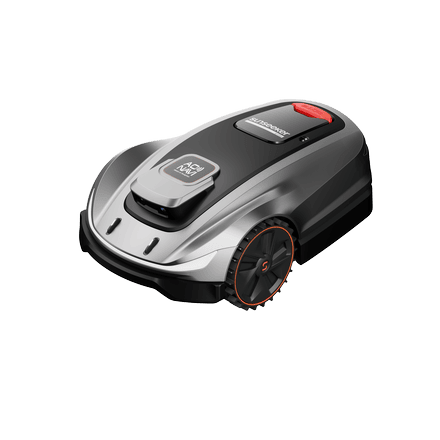
For added convenience, advanced models like the Sunseeker Elite X Gen 2 Series support voice assistants such as Amazon Alexa, Google Assistant, and Apple HomeKit, allowing mowing tasks to be started, paused, or coordinated with broader smart home scenes—completely hands-free.
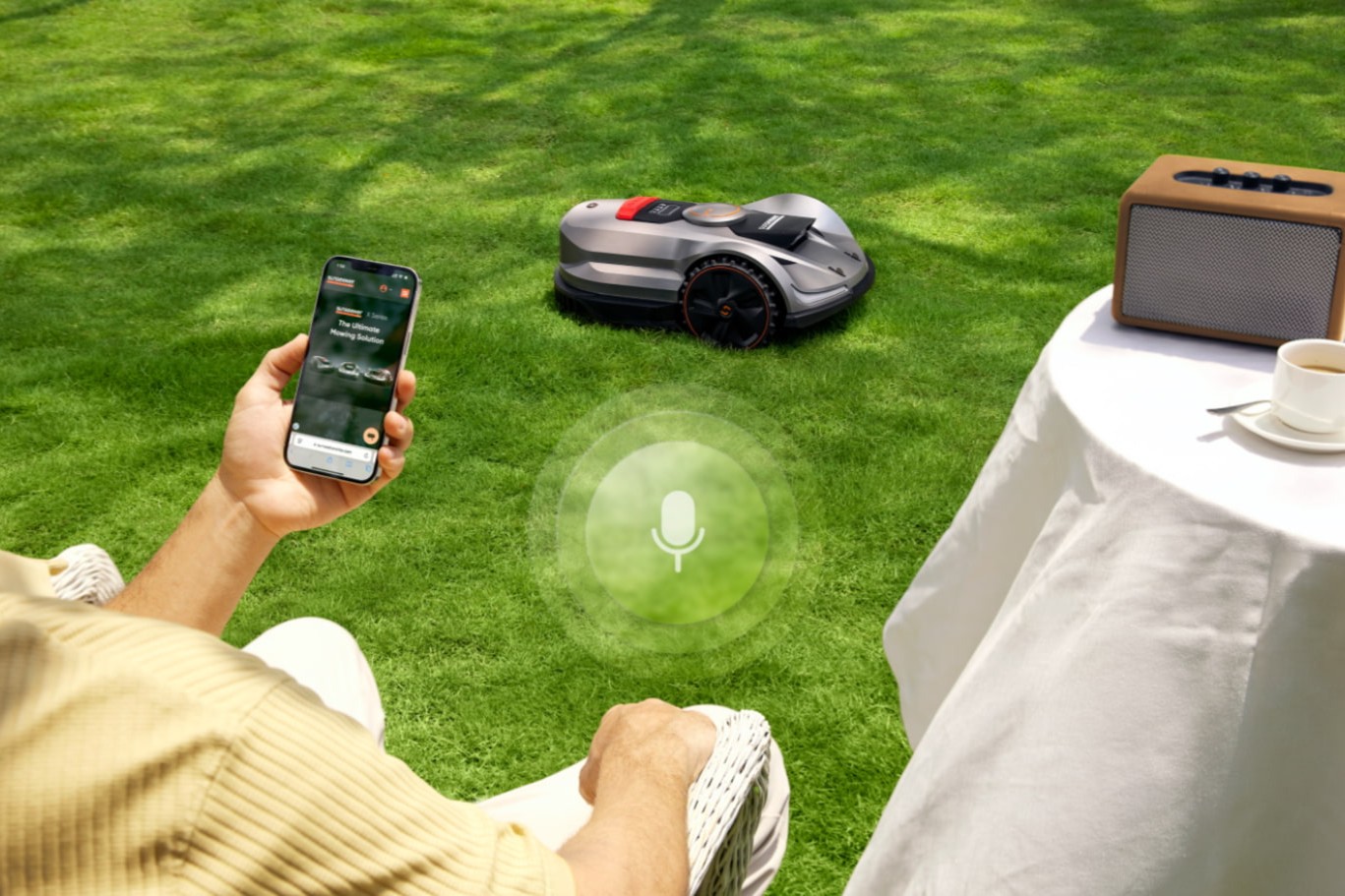
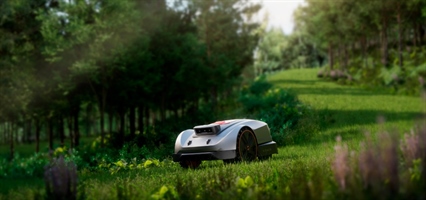
Sunseeker Elite robot mower with smart voice control
Smart robot mowers can automatically adjust their operation based on real-time weather conditions. Equipped with waterproofing rated at IPX5 or IPX6, they can safely handle light rain or damp conditions without damage. Integrated sensors and weather data allow the mower to pause during heavy rain or overly wet soil. This protects grass health and prevents soil compaction. It also ensures consistent, reliable mowing without manual intervention.
Adopting a robot mower delivers clear, tangible benefits that improve your lifestyle and your garden's health.
The most immediate advantage is the gift of time. The average homeowner spends between 50 to 100 hours each year pushing a mower. A robot mower reclaims every single one of those hours. After the initial setup, it operates completely on its own according to your schedule. This automation frees up your weekends and evenings, allowing you to actually enjoy your garden rather than labor in it.
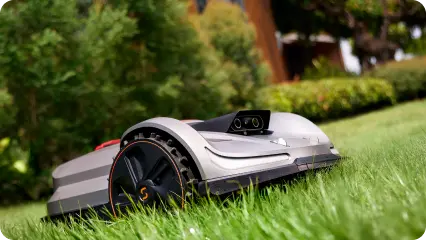
Robot mowers employ a "little and often" cutting philosophy. Instead of a major trim every week or two, they mow frequently, taking off only the very tips of the grass. This gentle approach is less stressful for the plants, encouraging them to grow thicker and denser. The fine clippings are left on the lawn to decompose, acting as a natural fertilizer.
The result is a consistently even, lush, green carpet that is naturally more resistant to weeds and disease, maintaining a pristine appearance with minimal effort.
Nearly all robot mowers are battery-powered, producing zero direct emissions at the point of use. This makes them a much cleaner alternative to traditional gasoline mowers, which are notable contributors to local air and noise pollution.
They are also remarkably quiet, typically operating at about the volume of a normal conversation. This low noise profile means you can schedule mowing for early morning or late evening without disturbing your household or neighbors, offering flexibility that gas mowers simply cannot match.
To learn more about how electric mowers outperform gas models in efficiency, emissions, and convenience, check out our article Electric vs Gasoline Lawn Mower: Which is Better for Your Lawn?
The integration of robot mowers is just the beginning. As smart home technology matures, our outdoor spaces will become more responsive, efficient, and sustainable.
Smart outdoor technology is automating everyday maintenance and management. From lawn mowing and irrigation to outdoor lighting and fountain control, systems can operate on schedules or based on environmental conditions. In the future, AI-equipped robot mowers, automated sprinklers, and smart lighting will work together seamlessly, enabling fully hands-free outdoor care and making yard management as efficient and controllable as indoor smart home systems.
Using real-time data from soil moisture, temperature, and light sensors, outdoor systems can dynamically adjust operations. For example, robot mowers can modify cutting frequency and height based on grass growth and soil conditions, while sprinklers pause when moisture is sufficient. Combined with weather forecasts and historical data, future smart gardens will anticipate issues like disease, pests, or water deficits, enabling predictive, adaptive maintenance.
Future smart outdoor technology will optimize energy, water, and time usage, making outdoor maintenance more efficient and sustainable. Emerging solutions, such as solar-powered robot mowers, regenerative energy systems that capture power during operation, and intelligent irrigation schedules integrated with home solar setups, help lower operating costs, reduce resource waste, and minimize the garden’s overall carbon footprint.
The integration of robot mowers into smart garden systems represents a significant advancement in how we interact with our outdoor spaces. By combining automated lawn care with smart home technology, we can create gardens that are not only beautiful and low-maintenance but also intelligently responsive to our lifestyles. As this technology continues to evolve, it promises to make outdoor living more enjoyable, sustainable, and seamlessly connected to our daily lives.
Begin your smart garden journey today with the Sunseeker Elite robot mower, and step into the future of outdoor living, where your lawn cares for itself, and you simply get to enjoy it.
A robot mower supports sustainability by using precise electric power instead of gasoline, reducing emissions. Its consistent micro-cutting creates natural mulch, returning nutrients to the soil and decreasing the need for synthetic fertilizers over time.
Yes, most modern robot mowers are compatible with popular smart irrigation platforms. They can share data like soil moisture readings, allowing your watering system to adjust schedules automatically, preventing overwatering after the lawn has been mowed.
Advanced models with vision AI will detect and navigate around new obstacles automatically. For basic models, simply move the object from the mower's path. You can then update your virtual map via the app to mark it as a permanent no-go zone.