

Buyer's Guide
6/18/2026
Contents
Products
Residential Lawns
Commercial Landscapes
Explore
Where to Buy


Large lawns, tight schedules, and uneven terrain can quickly slow down mowing work without the right equipment. Commercial zero turn mowers address this with powerful engines and highly responsive steering systems. Key features, model types, and performance differences are what truly matter in demanding mowing environments.
A commercial zero turn mower is a powerhouse for professional landscapers and large properties. These machines deliver superior durability and cutting precision to handle heavy daily use across acres of turf. Looking for the best zero turn mower commercial models? This comprehensive 2026 guide covers key features, who should buy one, top recommendations, maintenance tips, and more to help you make an informed decision.
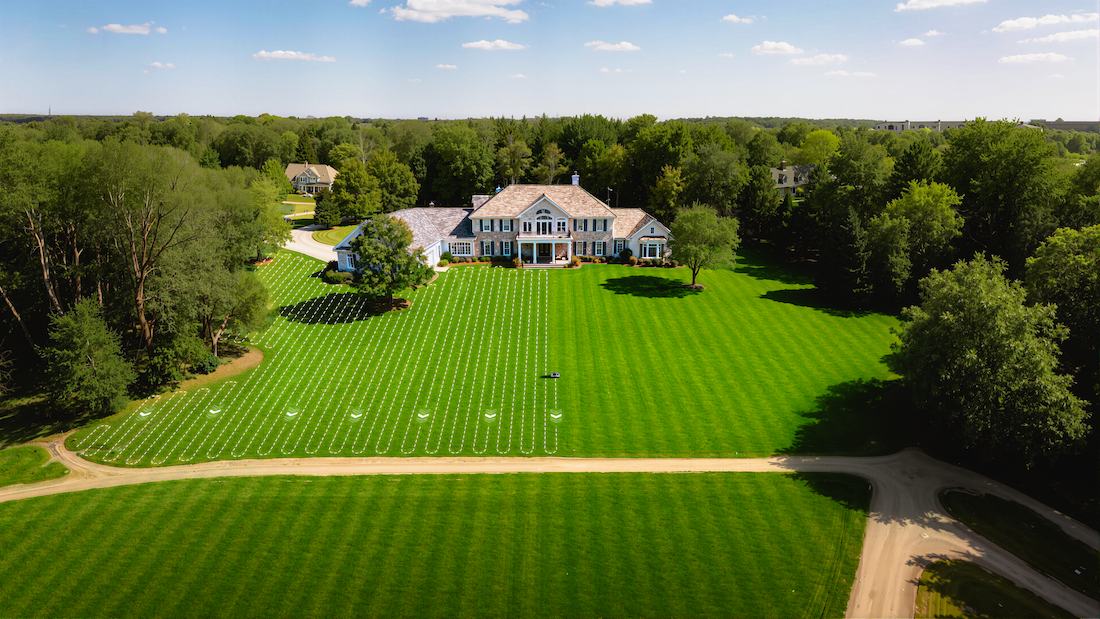
A commercial zero turn mower is a riding lawn mower specifically engineered for professional-grade performance. It features a zero-turn radius steering system powered by independent wheel motors or hydrostatic transmissions, allowing the machine to pivot in place. This design delivers exceptional maneuverability around obstacles, flower beds, trees, and tight landscaping spaces. Here are the key features of common commercial zero turn mowers.
These zero turn commercial mowers are designed with reliability in mind, often supporting 500-1,000+ hours of annual operation. This makes them an essential investment for professionals and businesses.
Commercial zero turn mowers are ideal for anyone who needs efficient, high-volume mowing with consistent results. While they are primarily designed for professionals, they also provide significant benefits for serious homeowners managing large properties.
Ideal buyers include:
When choosing a commercial zero turn lawn mower, it’s important to focus on features that directly influence performance. Here are the key features to consider:
You can carefully evaluate the features above to select a commercial mower zero turn model that aligns with your specific needs. To save you time and effort, we have hand-picked some of the best options for 2026.
The Hustler FasTrak SDX stands out as an excellent choice for small to mid-size lawn care crews handling multiple properties up to 20000 m². This model features a 122 or 137 cm fabricated deck, a reliable Kawasaki engine (23-27 HP), and heavy-duty Hydro-Gear transmissions built for daily commercial use.
Its compact size provides superior maneuverability in tight residential yards while maintaining professional cut quality and speeds up to 4.5 m/s. With a comfortable suspension seat, it can help reduce fatigue during hours of mowing. Overall, the FasTrak SDX offers strong durability and value at a lower cost compared to full-size commercial rigs.
For expansive estates, parks, or properties over 40,000 m², the Scag Turf Tiger II is a top-performing commercial zero turn mower. Available with 155-183 cm decks and powerful 31-40 HP engines, it excels at high-speed mowing (up to 5.4+ m/s) across tough terrain.
Its heavy-duty frame, reinforced deck, and advanced suspension system handle slopes, uneven ground, and long working hours with minimal downtime. The superior cut quality and high productivity make it a preferred option for professional landscapers managing large-scale properties. If your work requires covering maximum ground efficiently, the Turf Tiger II delivers the power and endurance for demanding commercial operations.
The Ferris ISX 3300 offers outstanding value in the commercial segment, capable of covering between 16000-24000 m² per hour. With 152 or 183 cm deck options, an advanced suspension system, and a robust 37 HP engine, the commercial lawn mower zero turn model delivers near-premium performance at a more accessible price point.
The Ferris ISX 3300 stands out for its excellent operator comfort during long hours, reliable Hydro-Gear ZT-5400 transmissions, and a fabricated deck that ensures a professional cut. It strikes a strong balance between durability, speed, and features, making it a great choice for businesses that want dependable performance and long-term value without overspending.
The Greenworks Commercial OptimusZ Series 9 is a high-performance battery-powered solution in the commercial zero turn mower category. Designed for demanding professional use, it can cover up to 113,000 m² per day, supported by large-capacity 24 kWh or 36 kWh LFP battery systems with efficient power management and fast charging capability.
Its zero-turn capability is highly responsive, thanks to the advanced PowrTraq smart drive system with independent wheel motors. This allows smooth, precise turning in tight spaces and around obstacles, while maintaining speeds of up to 7.2 m/s. The commercial zero turn mower is well-suited for landscaping companies, municipalities, and large property owners seeking a high-output mowing solution.
Proper maintenance is essential for extending the lifespan of a commercial zero turn mower, which allows it to reach 1,000-2,000+ hours of operation while minimizing costly repairs. Follow these essential practices to keep your mower running reliably:
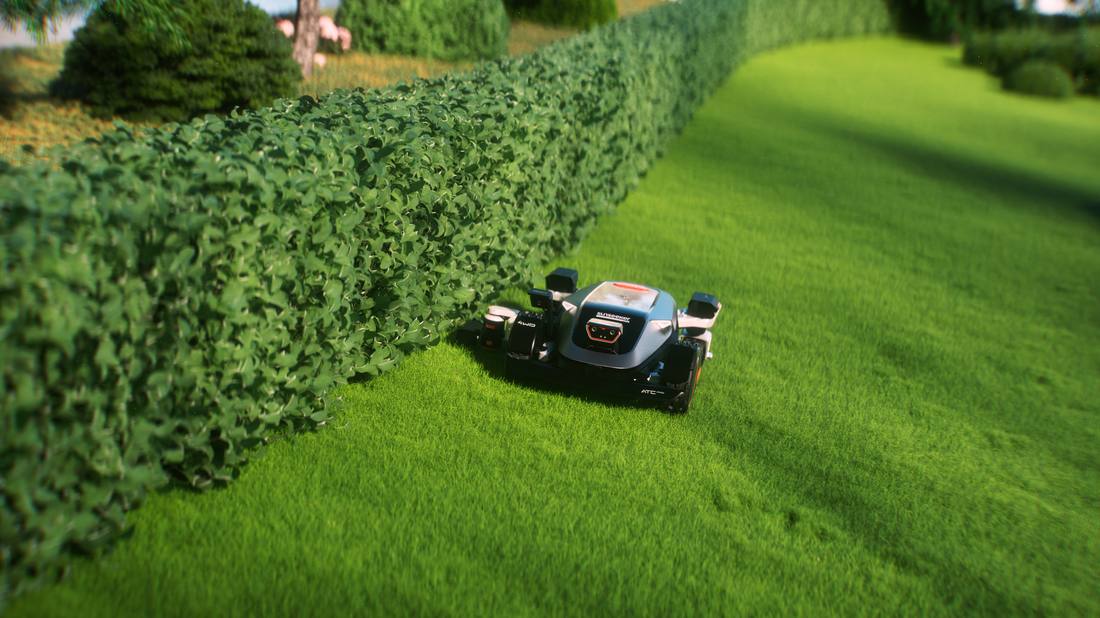
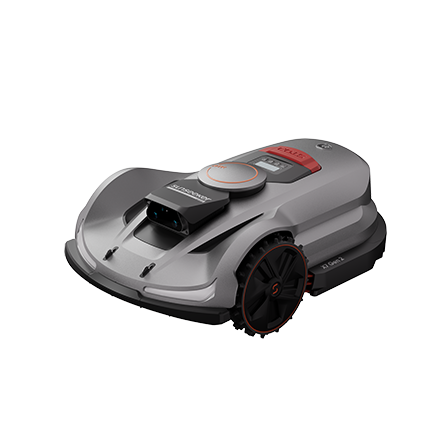
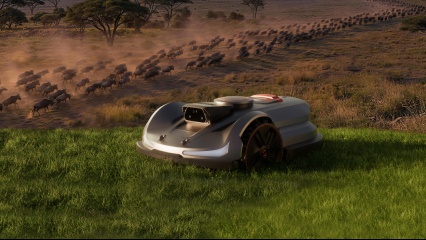
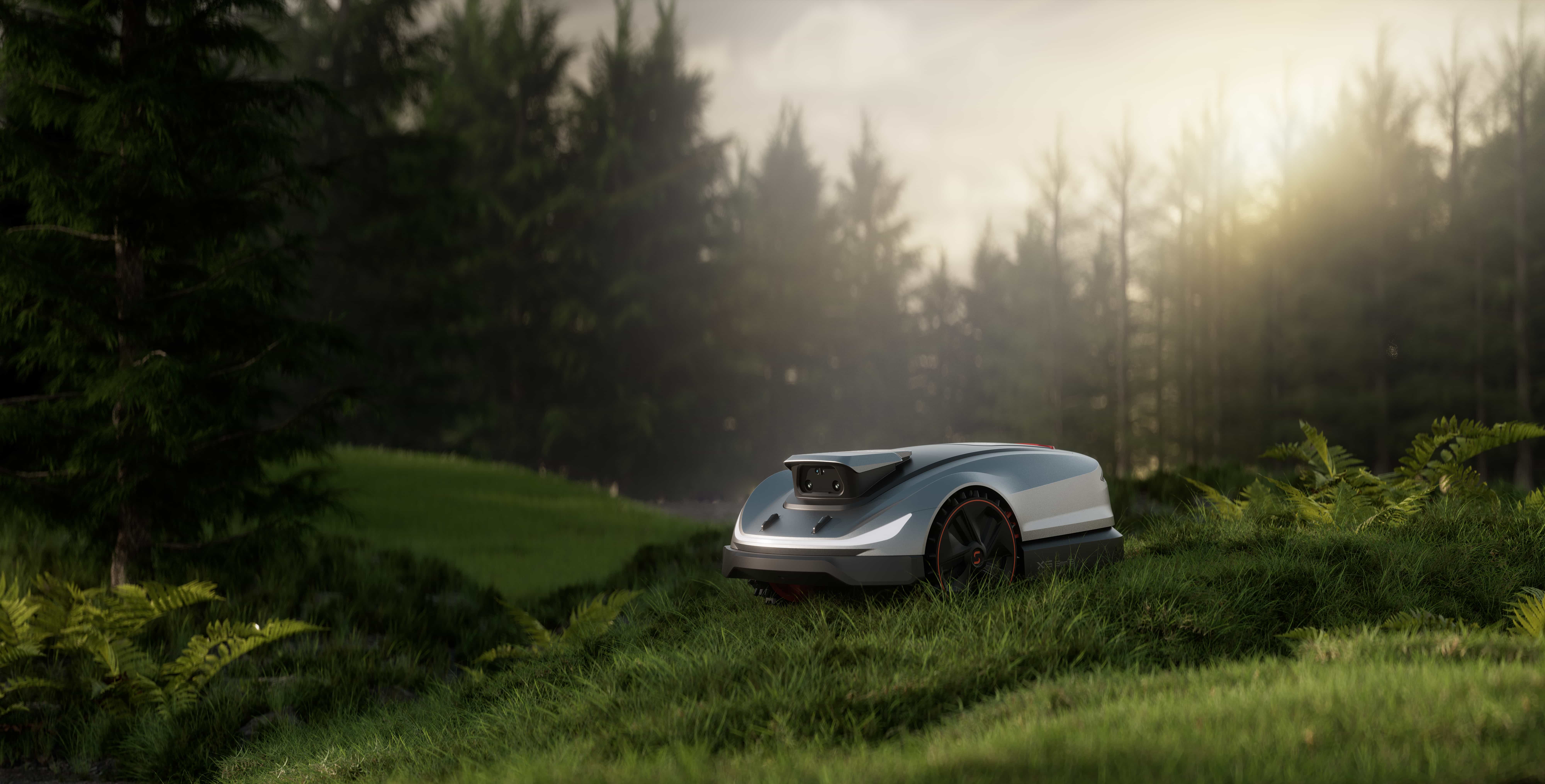
Today, robot lawn mowers are an innovative option that introduces a different approach to commercial mowing. Instead of pivoting like a classic commercial zero turn mower, they use a dedicated self-steering rear motor to guide direction changes smoothly. The independent wheel control and coordinated movement allow the machine to rotate around a central axis, creating zero-turn-like maneuverability. This enables tight turns, efficient path tracking, and precise coverage with minimal turf disturbance.
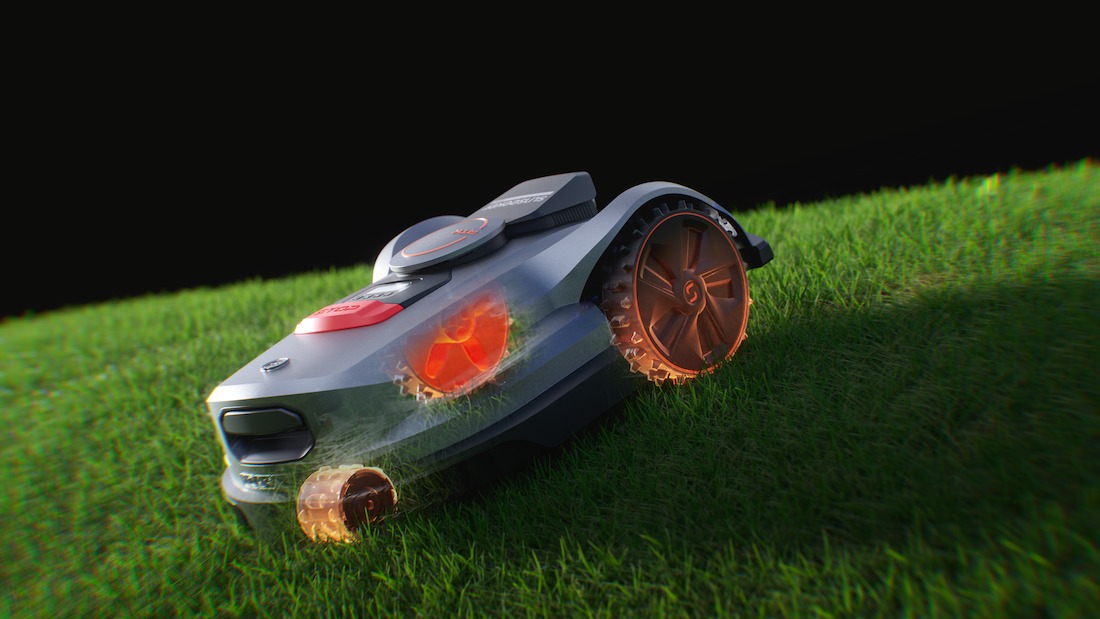
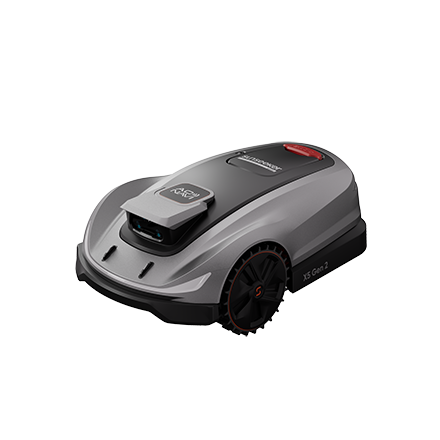
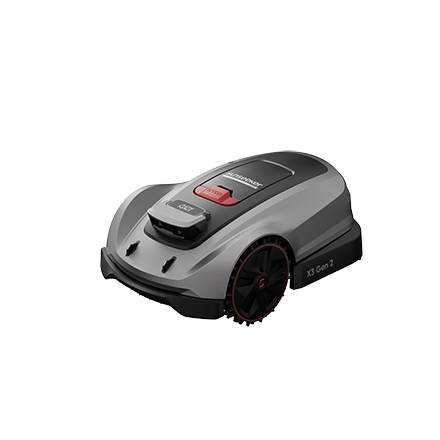
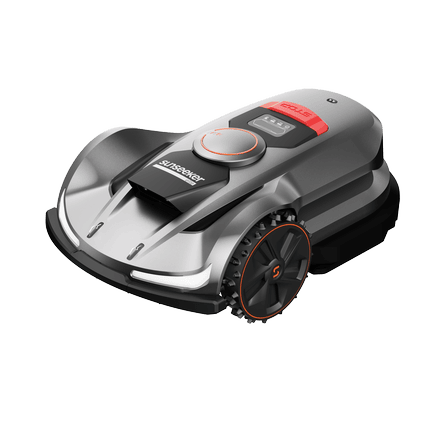
For those seeking an automated solution with zero-turn capabilities, the Sunseeker Elite X7 Gen 2, particularly the X7 Gen 2, is a strong alternative. It supports coverage of up to 6,000 m² per cycle with smart return-and-recharge functionality, making it well-suited for maintaining larger properties with minimal human effort. Featuring a 35-cm dual-disc cutting system, the X7 Gen 2 delivers clean, efficient cuts across turf. Powered by a tri-wheel AWD system, it also includes independent suspension for improved obstacle handling and a rear active steering motor for precise turning. Together, these systems provide smooth, zero-turn-like agility with excellent cutting performance.
A commercial zero turn mower can significantly improve lawn care efficiency. When choosing the right one for your property, it’s recommended to focus on engine power, deck construction, and cutting width to ensure long-term performance. However, the best choice ultimately depends on your specific operational needs and property size. If you are looking for a more modern and low-maintenance approach, Sunseeker offers innovative robotic solutions that combine automation with precise cutting performance. Explore Sunseeker to experience advanced mowing technology and an upgraded lawn care routine today!
There is no single number one commercial zero-turn mower, as performance depends on terrain, cutting deck size, budget, and workload. Several leading brands are widely recognized for their durability, cut quality, and strong dealer support. However, each model excels in different conditions. The best option depends on matching features to your mowing requirements and long-term operational needs, rather than a universal top-ranked choice.
A commercial zero-turn mower is built for heavy-duty professional use, featuring fabricated steel decks, high-performance engines typically above 20 HP, and durable transmission systems. Compared to residential models used for occasional mowing, these machines are designed for frequent operation over long hours, prioritizing speed, maneuverability, and long-term reliability.
Commercial zero-turn mower prices vary depending on size and features. Entry-level models typically range from €6,066–€8,665, mid-range options fall between €8,665 and €12,997, while premium or high-acreage machines can exceed €13,864–€21,662 or more. Battery-powered and robotic alternatives may also vary in price, often offering lower long-term maintenance costs and reduced operational expenses despite higher initial investment.