






FAQs
4/22/2026
Contents
Products
Residential Lawns







Commercial Landscapes
Explore
Where to Buy


Mowing wet grass is possible but comes with risks. Dew is usually fine once the surface dries a bit, while rain-soaked lawns can lead to uneven cuts, clumping, soil compaction, and fungal growth. Waiting 24–48 hours after heavy rain is ideal. If necessary, raise the deck, slow down, and clean the mower frequently for better results.
It rained last night, your grass is overdue for a cut, and you're wondering if it's fine to just go ahead. Can you mow wet grass? Technically yes, but there are good reasons most lawn care advice says to wait. Understanding what actually happens when you mow wet grass helps you decide when it's worth holding off and when it's okay to proceed.
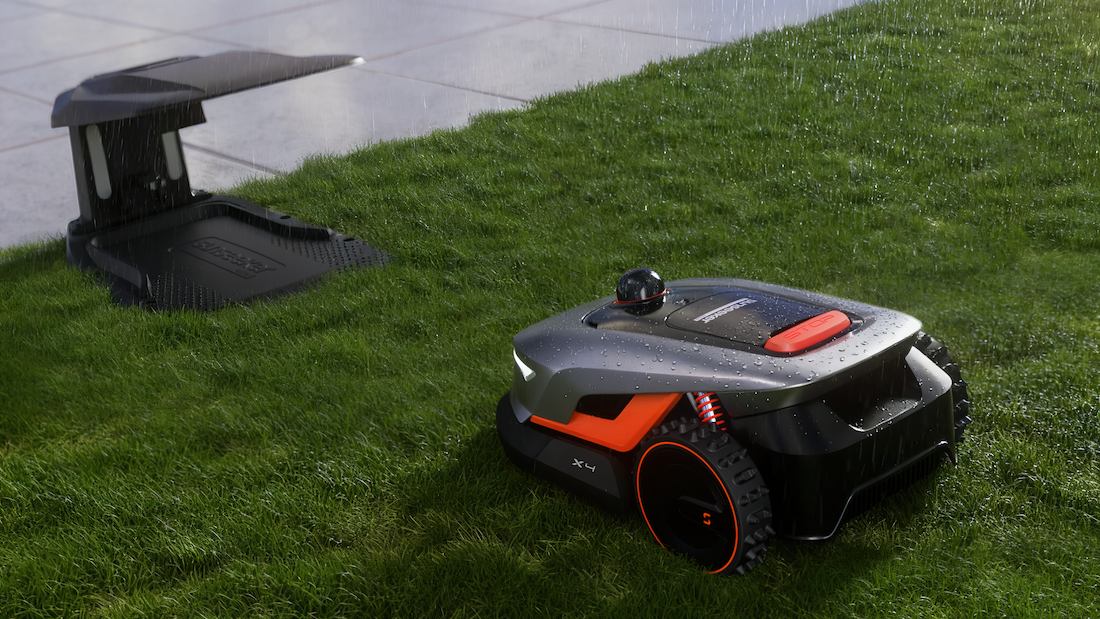
You can, but it's not ideal. Wet grass doesn't cut as cleanly, creates more cleanup work, and puts extra strain on both your lawn and your mower. That said, a light morning dew is a very different situation from a lawn that's soaked after an hour of heavy rain. The answer really depends on how wet the grass actually is.
Not all wet grass is the same, and the distinction matters.
Morning dew leaves a light film of moisture on the grass surface, but the soil underneath is usually dry. In most cases, mowing grass when wet from dew is fine, especially if you wait until mid-morning when the sun has had an hour or two to burn it off. The grass blades are still mostly upright, and the mower handles them without much trouble.
Rain-soaked grass is a different situation. After significant rainfall, both the blades and the soil are saturated. This is where the risks above actually apply: poor cut quality, clumping, compaction, and fungal conditions. The longer and harder it rained, the longer it's worth waiting before mowing.
A simple test: walk across the lawn. If your footprints leave deep impressions and the soil feels spongy underfoot, it's too wet. If the grass springs back and the ground feels firm, you're probably fine to mow. If you're deciding when to mow new grass, be more cautious and wait until the soil is firm and the seedlings are well rooted, since young turf is easier to pull up or compact.
Mowing a wet lawn affects both the grass itself and the machine doing the cutting. It's worth knowing what you're trading off before you fire up the mower.
Mowing a wet lawn affects the grass in a few ways that aren't obvious until you see the result a day or two later.
Wet clippings stick to everything inside the deck. They pack around the blade, clog the discharge chute, and force the motor to work harder than it needs to. Over time, repeated wet-condition mowing can accelerate rust on the undercarriage and blade.
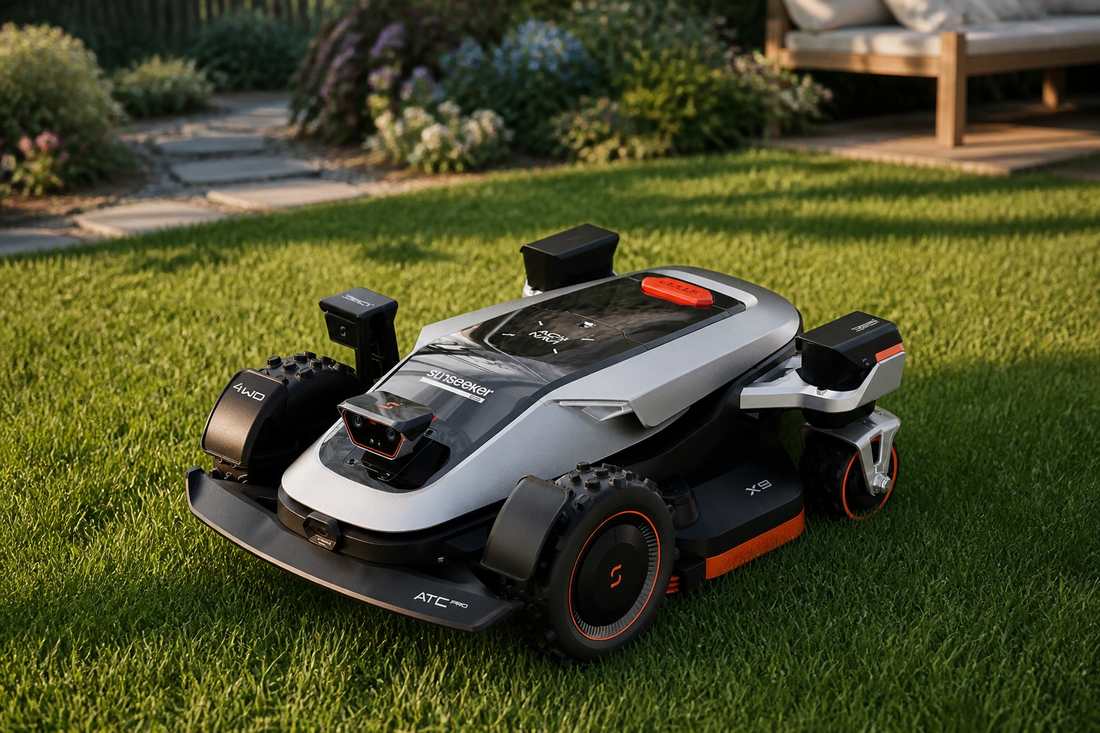
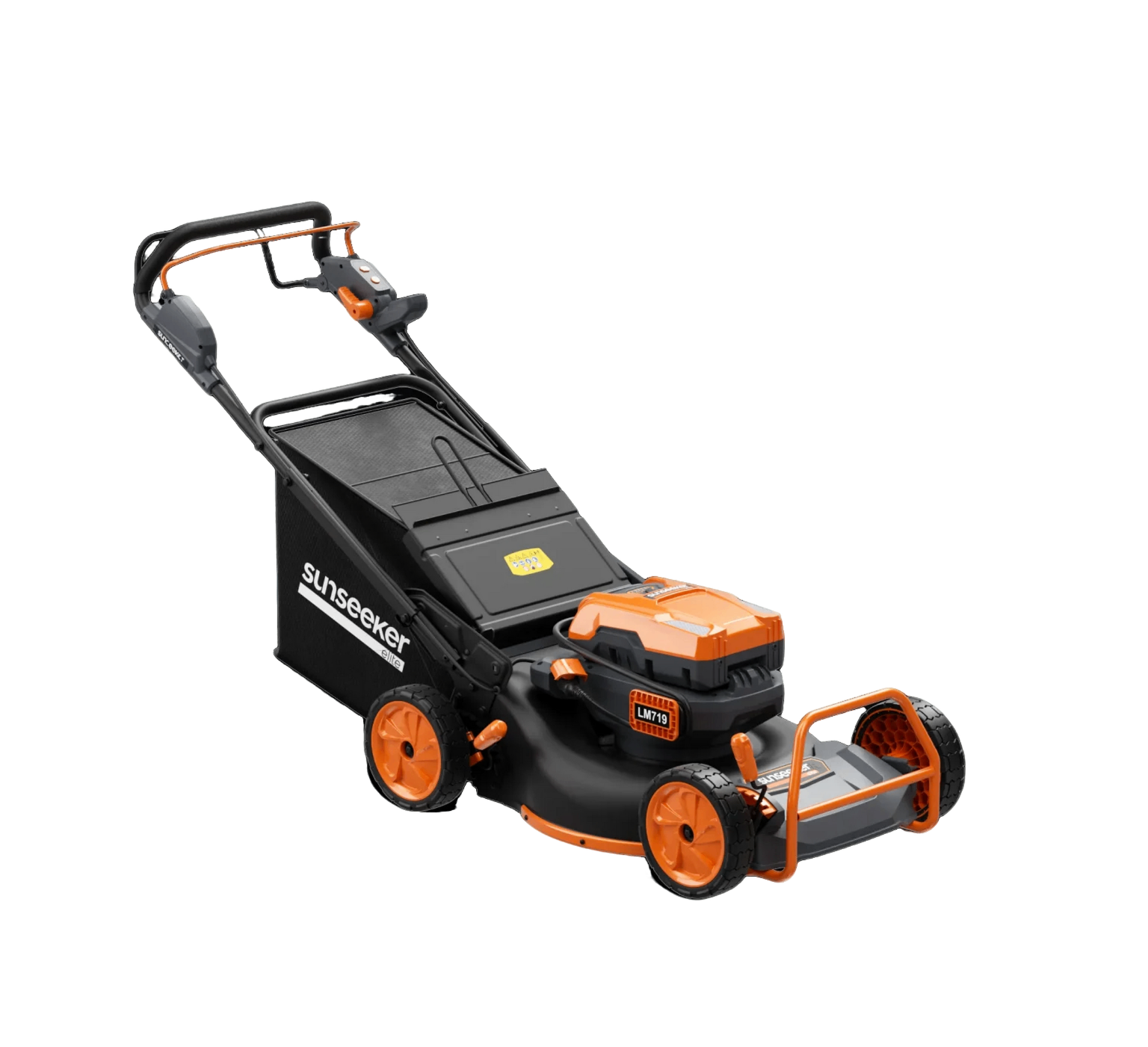
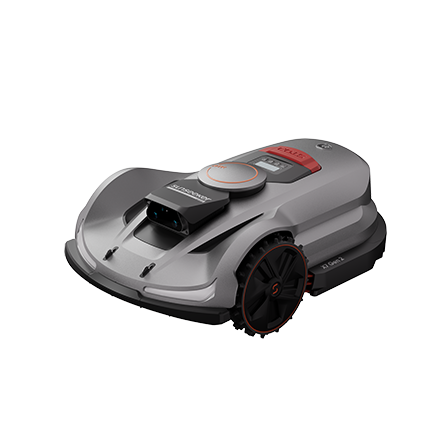
It's not that a lawn mower can't get wet at all. Some models are built to handle it better. The Sunseeker Elite X4 , for example, has a deck design that reduces clipping buildup, so mowing in damp conditions is generally less troublesome than with many standard mowers. Even so, it’s still best to mow wet grass as little as possible.
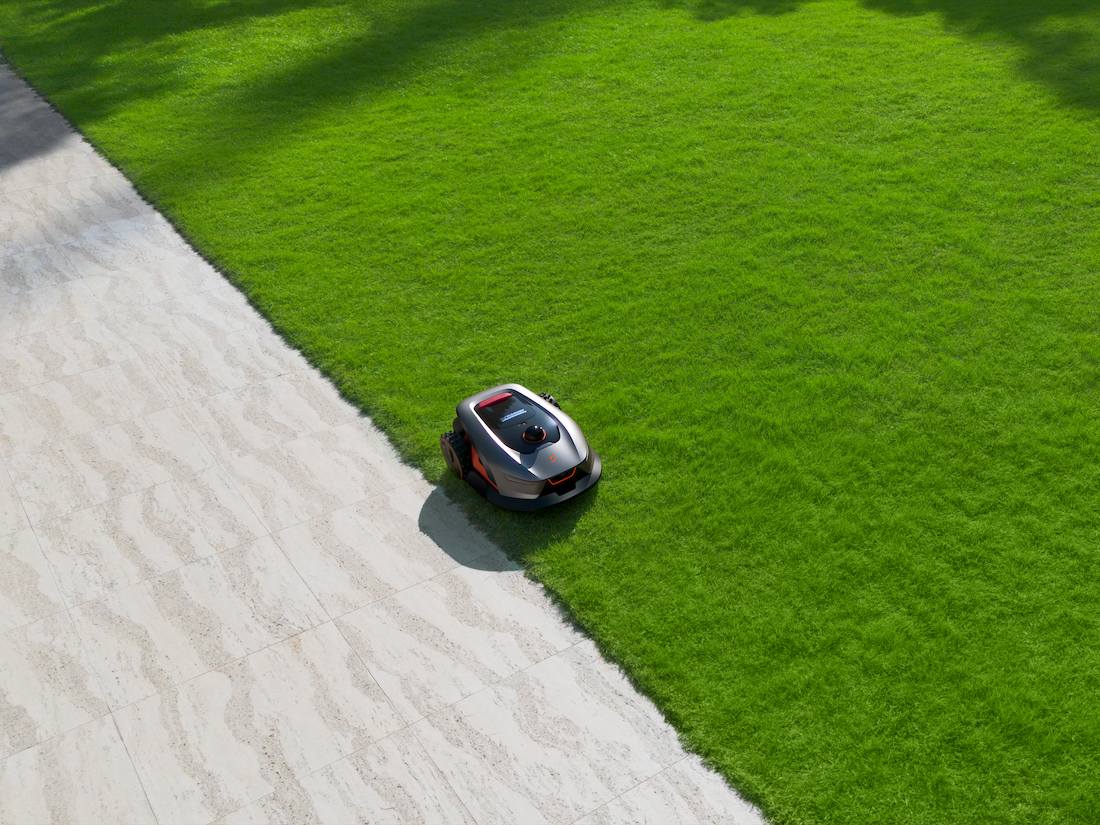
The timing depends on how much rain fell and what the weather is doing afterward.
After light rain or a brief shower, a few hours of sun and wind is usually enough. After heavy rain or a full day of precipitation, waiting at least 24 hours is a reasonable baseline. In humid or overcast conditions where the lawn isn't drying quickly, 48 hours gives you a much better result.
Is it okay to mow your lawn after it rains the same day? If the rain was light and the sun came out afterward, possibly. The grass surface dries faster than the soil, so even if the blades look dry, it's worth checking the ground before you start.
One thing that helps the lawn dry faster after rain is good airflow. If your grass is long and dense, that in itself slows drying. Keeping up with a regular mowing schedule means each session starts from a more manageable length, which also dries more quickly after rain.
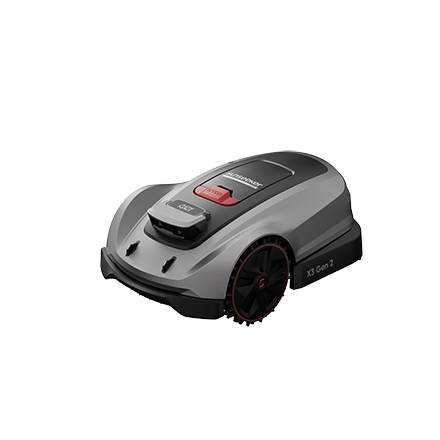
A consistent mowing routine also becomes easier with the right equipment. The Sunseeker Elite X5 helps maintain regular cutting without extra effort, using smart navigation and wire-free setup to keep grass at an even height, which supports faster drying after rain.
Sometimes waiting isn't realistic. The grass is already too long, more rain is coming, or you're just short on time. In that case, a few adjustments make the job cleaner and reduce the risk of damage.
Raise your cutting height
A higher deck setting reduces how much wet grass the mower is trying to process at once. It also puts less strain on the blade and motor.
Slow down
Moving at a slower pace gives the blade more time to cut each pass cleanly and reduces the amount of clumping left behind.
Mow in the late morning
Even if it rained overnight, a few hours of morning sun can help dry the grass. Cutting at 7 am often means the lawn is still damp, which makes the job harder and less clean. Waiting until around 10 am usually leads to a more even cut and a better overall finish.
Clean the deck frequently
Wet clippings build up fast. Stopping every few minutes to clear the underside of the deck keeps the airflow moving and prevents the discharge chute from clogging.
So, can you mow the lawn when the grass is wet? Yes, but the results are messier and the risks to your lawn and mower are real. Morning dew is usually fine once it clears. Rain-soaked grass is worth waiting on, at least 24 hours after significant rainfall, and longer if the ground still feels soft.
When you do need to mow in less-than-ideal conditions, raising the deck, slowing your pace, and clearing the deck regularly all help. A reliable mower that handles varying conditions also makes a noticeable difference to the finished result.
If your footprints leave clear impressions in the soil and the ground feels spongy when you walk on it, the lawn is too wet to mow. Wet soil compacts easily under the weight of a mower, which damages root structure over time. Waiting until the ground feels firm and the grass blades are mostly upright again gives you a cleaner cut and avoids unnecessary stress on the turf.
Wet grass bends rather than standing upright, so the mower cuts unevenly and leaves clumps of trimmings on the surface. Those clumps block light and trap moisture, which can lead to fungal growth and patchy discoloration. The mower itself also takes a hit, with wet clippings packing into the deck, clogging the chute, and putting extra load on the motor.
In most cases, yes, especially if you wait until mid-morning when the sun has had time to dry the surface. Morning dew sits on the grass blades but doesn't saturate the soil, so the ground stays firm and the grass cuts reasonably well. The main thing to watch for is clumping. If the clippings are sticking together in thick mats, it's worth waiting another hour before continuing.
It can, particularly when wet clipping mats are left sitting on the grass surface in warm conditions. The clumps block airflow and hold moisture against the turf, which creates a favorable environment for fungal growth. Dispersing or removing clumps after a wet mow, and avoiding mowing in the rain altogether, significantly reduces the risk.
It's best to avoid it if possible. Active rainfall keeps soaking the grass faster than you can cut it, and the safety risks of operating electric equipment in rain are worth taking seriously.