



FAQs
1/7/2026
Contents
Products
Residential Lawns
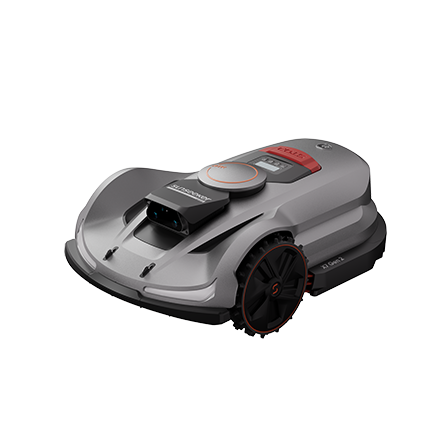
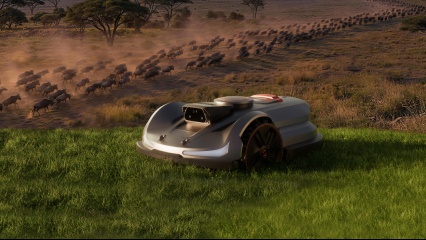
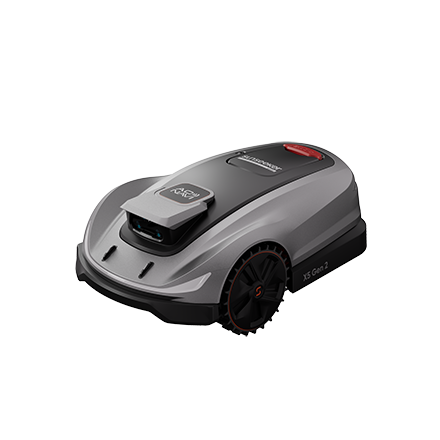


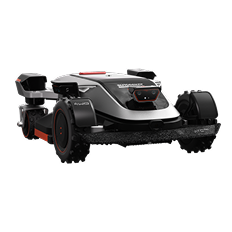
Commercial Landscapes
Explore


Choosing the right lawn mower feels a bit like picking a new car. You want something reliable, efficient, and suited to your particular terrain. For many homeowners, the decision ultimately comes down to a fundamental choice between electric and gasoline power. Each type brings its own set of advantages and compromises to your yard. This guide will walk you through exactly how these machines operate, break down their real-world pros and cons, and provide a clear framework to help you select the perfect mower for your grass, your lifestyle, and your weekends.
Understanding the basic mechanics behind your mower is the first step to making an informed choice. The core difference lies in their power source and how that energy is converted into a clean cut.
Gasoline mowers run on a familiar internal combustion engine, similar to a car or motorcycle. Pulling the starter cord (or pressing an electric start button) ignites a mix of gasoline and air, creating small controlled explosions that drive a piston. This piston's motion is transferred to the crankshaft, which ultimately spins the cutting blade.
These mowers are categorized by how you interact with them:
Push Mowers are entirely human-powered. You provide the forward momentum, which makes them lightweight and inexpensive but physically demanding, especially on larger or sloped lawns.
Self-Propelled Mowers include a drive system that turns the wheels for you. You simply guide the direction while the mower handles the effort of moving forward, a significant advantage on hills or longer mowing sessions.
Riding Mowers and Lawn Tractors are for sitting, not walking. They feature powerful engines and are designed for efficiently maintaining lawns of 4,000m² or more. They turn a chore into a seated task and often come with attachments for other yard work.
Electric mowers are powered by, you guessed it, electricity. They use an electric motor to spin the cutting blade at high speeds. This category is split into three distinct types, each with its own approach to accessing power:
Corded Electric Mowers plug directly into a standard outdoor outlet. They provide consistent, unlimited power as long as they're connected, making them simple and effective. The obvious limitation is the power cord itself, which dictates your mowing radius and requires careful management to avoid running over the cable.
Battery-Powered Electric Mowers operate using rechargeable lithium-ion battery packs. They offer complete freedom of movement, untethered from an outlet. Your runtime is determined by the battery's capacity, typically allowing for 40 to 60 minutes of mowing before needing a recharge, which can take one to three
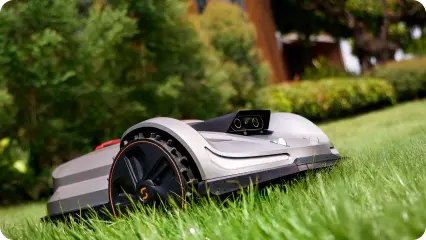
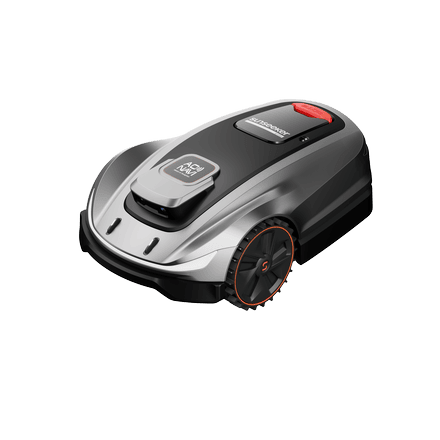
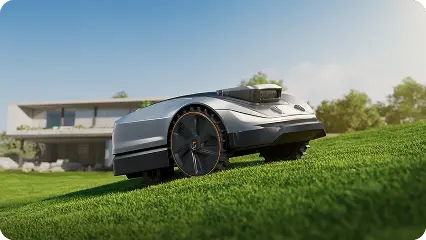
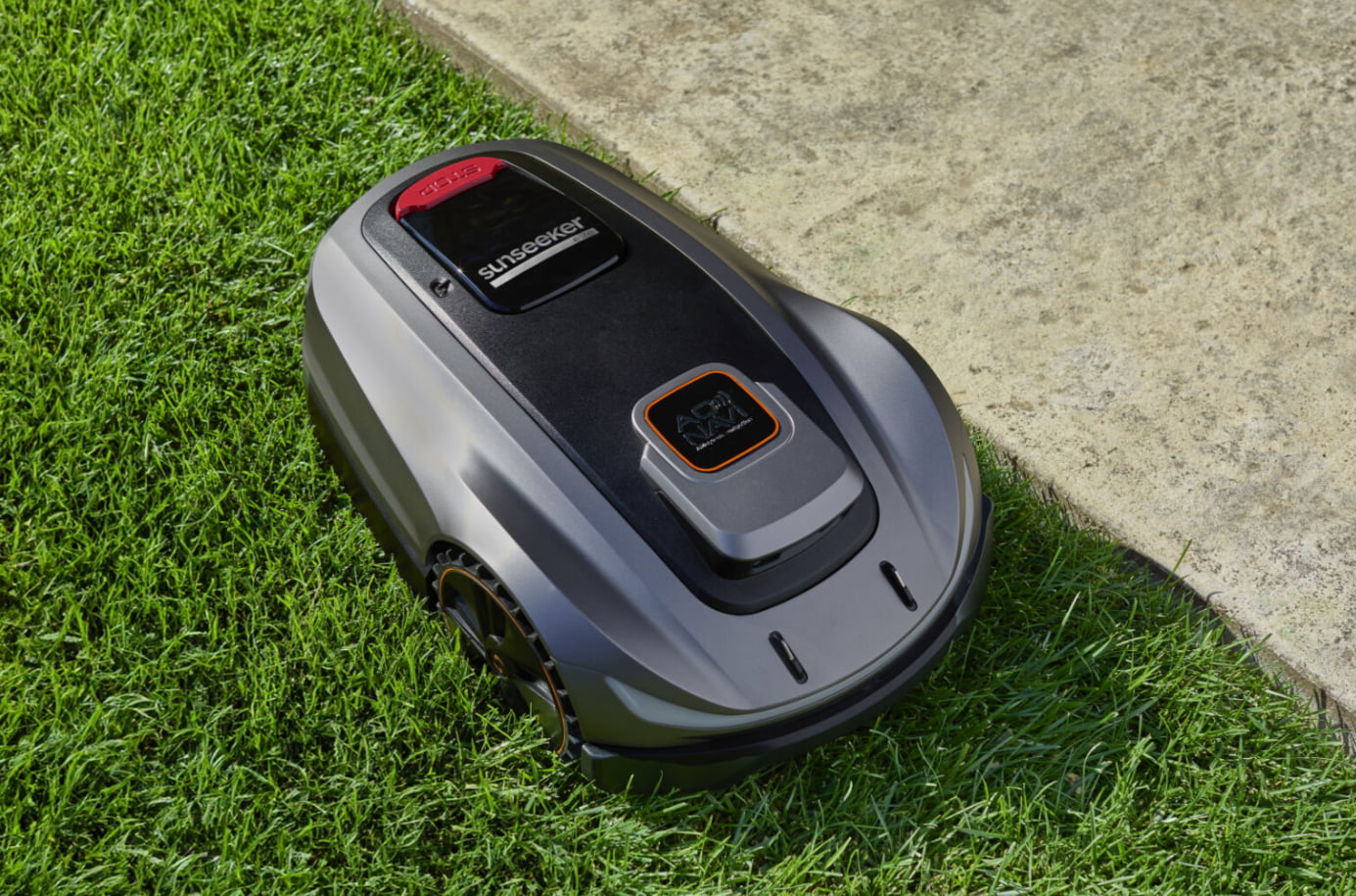
Robotic Lawn Mowers take the battery-powered concept to its logical conclusion. These autonomous units are equipped with intelligent navigation systems. They return to a docking station to recharge themselves and can be programmed to mow on a schedule, performing their duties quietly in the background with minimal human intervention.
There’s no universal expiration date, but a combination of standard guidelines and personal observation will create your perfect schedule.
Power and Cutting Strength
The primary benefit of a gasoline mower is its formidable power and torque. An internal combustion engine delivers consistent force, allowing it to cut through thick, wet, or overgrown grass with ease. This makes gas mowers well suited to demanding grass types such as Bermuda or tall fescue.
Unlimited Runtime
Gas mowers eliminate range concerns entirely. As long as fuel is available, mowing can continue without interruption. There is no cord to manage and no battery that fades mid-job, which makes them especially effective for properties larger than 2,000m².
Strong Performance on Difficult Terrain
Steep slopes, uneven ground, and weedy areas pose little challenge. A quality gas mower maintains blade speed on inclines over 20 degrees and handles rough terrain without bogging down.
Built for Heavy-Duty Work
Many gas models support large grass collection bags and advanced mulching systems. They manage heavy clipping volumes and fallen leaves efficiently, making them a common choice for professionals and homeowners who demand pristine results.
Noise and Vibration
Gas mowers are loud, typically operating between 90 and 100 decibels. This level of noise can disturb neighbors and often requires hearing protection. Engine vibration also adds fatigue during longer mowing sessions.
Environmental Impact
Exhaust emissions include carbon monoxide, nitrogen oxides, and hydrocarbons, all of which contribute to air pollution. Over time, these pollutants can negatively affect local air quality and contribute to greenhouse gas emissions. In residential areas, the lingering smell of gasoline exhaust is often unpleasant and can be a concern for households with children, pets, or respiratory sensitivities.
Higher Maintenance Requirements
Routine upkeep includes oil changes, air filter and spark plug replacement, and fuel stabilization during storage. Missed maintenance can lead to clogged carburetors, rough running, and unreliable starting. Over time, neglected service also shortens engine life and increases repair costs.
Ongoing Operating Costs
Fuel and engine oil create ongoing expenses throughout the mowing season. In addition to gasoline, periodic replacement parts and servicing add to the total cost of ownership. Over a full season, fuel costs alone can be 30 to 50 percent higher than the electricity required for an equivalent electric mower.
1. Large Residential Lawns: Properties exceeding 2,000m², especially those with extensive open areas requiring efficient, long-duration mowing sessions.
2. Rough and Uneven Terrain: Yards with significant slopes, bumps, or uneven ground where high torque and stable power delivery are essential for consistent performance.
3. Dense and Overgrown Vegetation: Areas with tough, tall grasses, weeds, or mixed vegetation that demand substantial cutting power to avoid stalling or clogging.
4. Commercial Landscaping: Ideal for professional landscapers, golf course maintenance, parks, or farmland where reliability, power, and the ability to handle large, diverse areas quickly are critical.
Electric mowers represent the modern, user-friendly approach to lawn care, prioritizing convenience and quiet operation. However, they typically have limitations in runtime and power compared to gas-powered alternatives.
Clean and Emission-Free Operation
Electric mowers produce zero direct emissions during operation, making them a cleaner choice for both the environment and the user. Their fume-free operation also makes lawn care more comfortable and reduces the overall environmental footprint of routine yard maintenance.
Quiet Performance
Operating at under 75 decibels, electric mowers are far quieter than gas-powered alternatives. This reduced noise allows for more flexible mowing times, including early mornings or evenings, and makes them well suited for dense neighborhoods or noise-sensitive areas.
Minimal Maintenance
Electric mowers eliminate many traditional maintenance tasks. There is no oil to change, no spark plugs to replace, and no air filters to clean. Routine care typically involves sharpening or replacing blades, keeping the deck clean, and ensuring the battery is stored and charged properly.
Ease of Use
Starting an electric mower is as simple as pressing a button. Their lighter weight improves maneuverability, reduces user fatigue, and makes them easier to store. The absence of gasoline also improves safety by removing the risk of spills or fuel-related odors.
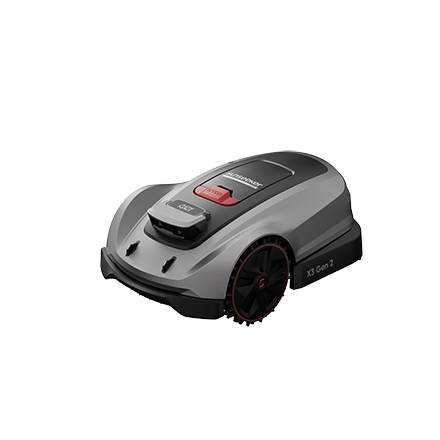
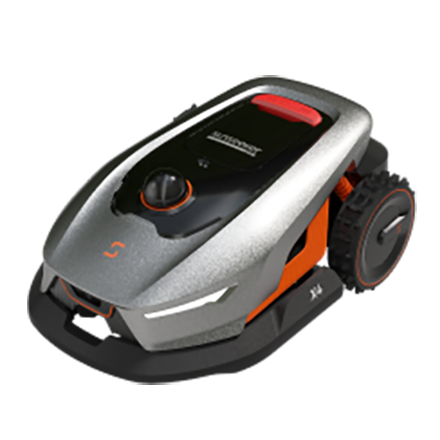
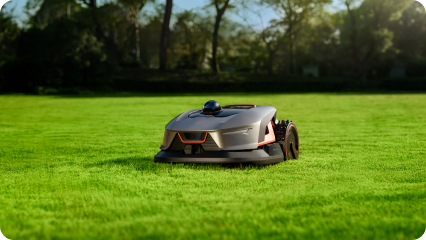
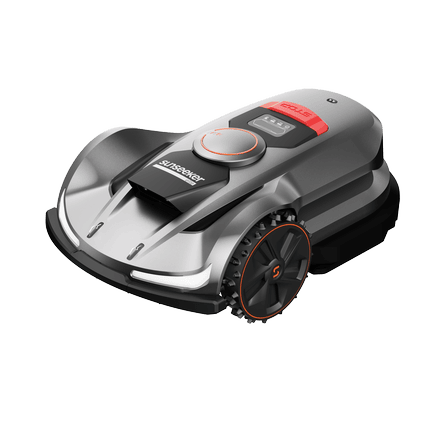
For an even more hands-off experience, robot lawn mowers like Sunseeker Elite X-series remove manual operation entirely. Once set up, they manage routine mowing on their own, reducing physical effort to occasional monitoring and basic upkeep rather than active yard work.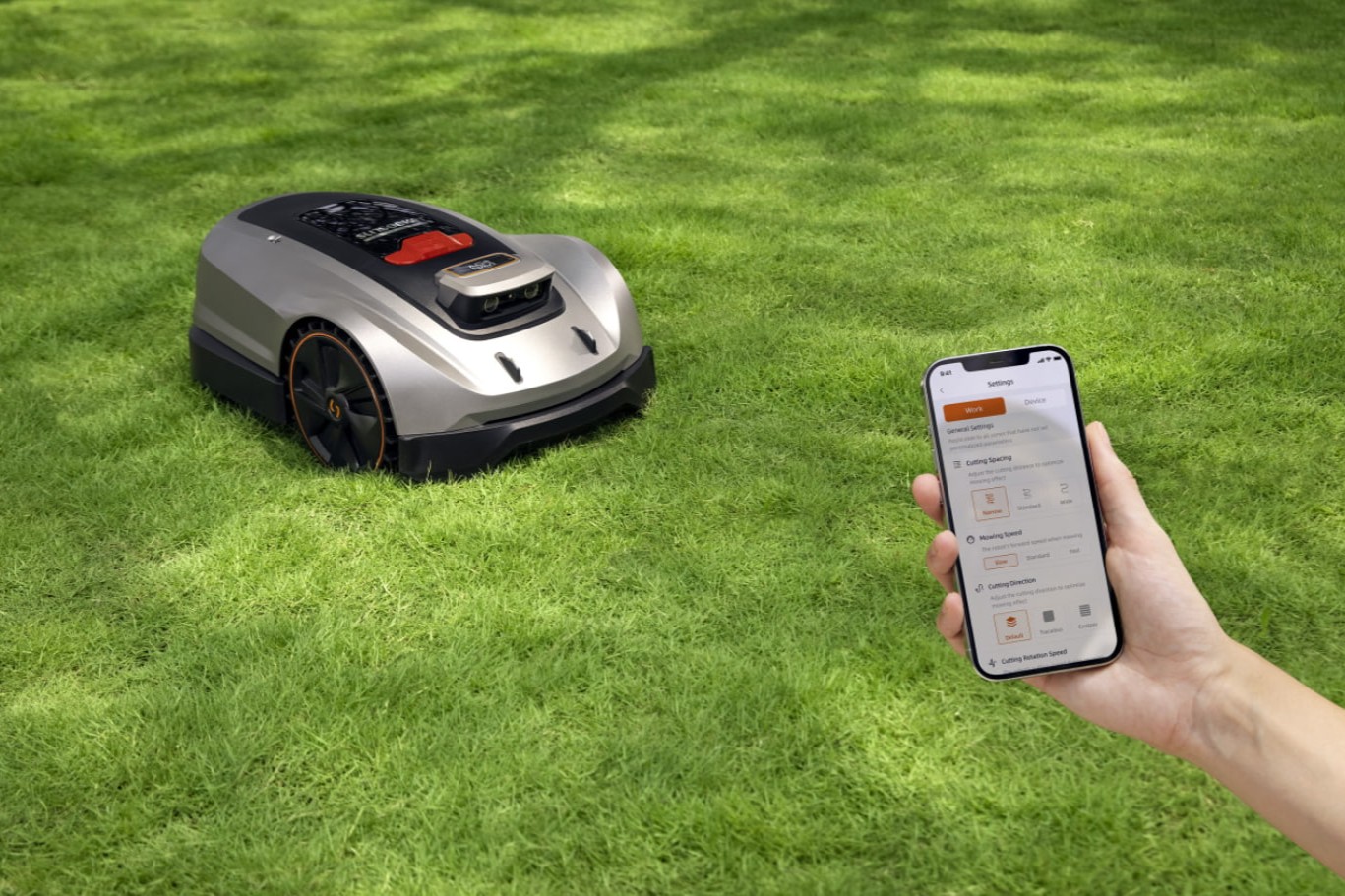
Sunseeker X3 robot mower controlled via smart app
Lower Long-Term Costs
Electricity costs significantly less than gasoline, keeping operating expenses low. Annual energy costs can be as little as €10 to €20, and fewer maintenance requirements further reduce ownership costs, making electric mowers a budget-friendly option over time.
Limited Runtime or Reach
Battery-powered electric mowers operate within a fixed runtime before recharging is required, which can interrupt longer mowing sessions. Corded models avoid this issue but are limited by extension cord length and the need to constantly manage the cable, reducing mobility and convenience on larger or complex lawns.
Reduced Power in Tough Conditions
While suitable for routine maintenance, electric mowers can struggle in extreme conditions. Thick, wet, or overgrown grass may force slower speeds, narrower cutting paths, or multiple passes to achieve a clean result, increasing overall mowing time compared to gas-powered alternatives.
Battery Degradation Over Time
Lithium-ion batteries naturally lose capacity with repeated charge cycles and age. After two to five years, reduced runtime becomes noticeable. Replacing the battery can be costly, often reaching 30 to 40 percent of the mower’s original purchase price.
Higher Upfront Cost
Premium battery-powered mowers typically carry a higher initial price than comparable gas models. Advanced motors, electronics, and battery systems add to manufacturing costs, resulting in purchase prices that are commonly 40 to 50 percent higher at the outset.
1. Small to Medium-Sized Flat Lawns: They are particularly effective for residential properties under 2,000m² with gentle, even terrain.
2. Environmentally and Noise-Sensitive Areas: Their quiet, emission-free operation makes them suitable for locations like schools, hospitals, nursing homes, and office parks where minimizing disturbance and air pollution is a priority.
3. Accessibility-Friendly Use: Their light weight, push-button start, and minimal maintenance appeal strongly to older adults, those with limited physical strength, or anyone seeking a less demanding mowing experience.
|
Performance Aspect |
Gas Lawn Mowers |
Electric Lawn Mowers |
|
Cutting Power |
Very high torque and cutting strength, handles thick, wet, and overgrown grass with ease |
Moderate power, best for regularly maintained lawns; may struggle with dense or wet grass |
|
Runtime |
Unlimited as long as fuel is available |
Limited by battery runtime or cord length |
|
Terrain Handling |
Excellent on steep slopes, uneven ground, and weedy areas |
Best on flat to mildly uneven lawns |
|
Noise Level |
Loud operation (90–100 dB), often requires hearing protection |
Quiet operation (typically under 75 dB) |
|
Environmental Impact |
Produces exhaust emissions and fuel odors |
Zero direct emissions and fume-free operation |
|
Maintenance Needs |
High: oil changes, spark plugs, air filters, fuel stabilization |
Low: blade care, deck cleaning, basic battery management |
|
Ease of Use |
Heavier, pull-start or electric-start models, more vibration |
Lightweight, push-button start, easier handling |
|
Operating Costs |
Higher ongoing fuel and maintenance expenses |
Lower long-term costs, electricity ~€10–€20 annually |
|
Upfront Cost |
Generally lower initial purchase price |
Higher upfront cost for quality battery models |
|
Best For |
Large lawns, tough grass types, steep or rough terrain |
Small to medium lawns, noise-sensitive areas, low-maintenance users |
So, how do you decide? It boils down to a few key considerations about your property and your preferences.
Let your yard be your guide. For large, open lawns over 2,000m², or properties with significant hills and rough areas, the power and endurance of a gas mower are hard to beat. For smaller, flatter urban or suburban lots, an electric mower provides ample power without the drawbacks of noise, fumes, and maintenance.
Consider your personal values and routine. If reducing your carbon footprint, enjoying a quiet yard, and minimizing maintenance are top priorities, an electric mower aligns perfectly with that lifestyle. If you need a heavy-duty machine for demanding, variable tasks and prioritize absolute power and unlimited runtime above all else, a gasoline model remains the reliable choice.
Upfront budget often shapes the first decision. If funds are very limited, a small gas mower may be the more practical option, since entry prices are usually lower than battery-powered alternatives. Electric mowers typically cost more initially, but their lower energy use and minimal maintenance can reduce long-term expenses. Weigh short-term affordability against ongoing fuel, servicing, and replacement costs to find the better value for your situation.
In short, choosing between electric and gasoline mowers depends on your lawn size, terrain, maintenance tolerance, and sensitivity to noise or emissions.
For most homeowners with typical suburban yards, electric options offer a quieter, cleaner, and simpler experience that turns mowing into a low-effort routine. They reduce noise, emissions, and ongoing maintenance, making them well suited for regular upkeep. However, for those managing expansive properties, challenging terrain, or particularly tough grasses, the raw, dependable power of a gasoline engine is still irreplaceable. It is a tool built for a demanding job.
If you are looking to step up to a more advanced, hands-off mowing experience, click here to see Sunseeker Elite robotic lawn mowers that offer a smart, time-saving upgrade worth considering.
Gas mowers provide continuous operation without recharging delays. You can refuel quickly and resume mowing, making them ideal for lawns over 2,000m² where battery runtime limitations would cause interruptions.
No, storing gasoline in the mower over winter can cause fuel degradation and carburetor clogging. Always add fuel stabilizer or drain the tank before seasonal storage to ensure easy spring starting.
Incorrect orientation of the new blades. Always note how the old blades were mounted (take a photo) or strictly follow the manufacturer's diagram to ensure proper and safe installation.