











FAQs
6/18/2026
Contents
Products
Residential Lawns



Commercial Landscapes
Explore
Where to Buy


A lawn mower battery powers starting, cutting, movement, or smart features, depending on the mower type. The right battery should match the mower’s voltage, size, terminal position, runtime needs, and charging system. Good charging habits, clean terminals, and proper storage help it last longer, while slow starts, weak power, corrosion, or poor charge retention often signal replacement.
A dead lawn mower battery can stop your yard work before it even starts. If your mower will not start on a busy Saturday morning, the battery is often the first thing to check. It gives the mower the power it needs to start the engine and also helps run parts like safety sensors, lights, and other electrical features.
Choosing the right lawn mower battery does not have to be complicated. You just need to understand a few basics, such as battery size, cold cranking amps, and the difference between lead-acid and lithium batteries. In this guide, we will explain what you need to know so you can keep your mower ready to use and avoid the hassle of a dead battery during mowing season.
A lawn mower battery is the heart of your machine’s electrical system. Much like a car battery, its primary job is to provide a surge of electricity to the starter motor, which then cranks the engine to life. Beyond starting, the battery also powers headlights, electronic fuel injection systems, and safety sensors.
Why does it matter? A weak or failing mower battery causes more than just frustration on a Saturday morning. It can put undue stress on the alternator and starter, leading to more expensive repairs down the road. For those using a lawn mower tractor battery, the battery also handles the engagement of the electric PTO (Power Take-Off), which spins the blades. Without a healthy flow of power, your cut quality will suffer, or the blades may not engage at all.
When looking for lawn mower batteries for sale, you will generally encounter three main types, each with its own pros and cons:
1. Lead-Acid Batteries: These are the most common and typically the most cheap lawn mower batteries available. They use lead plates and liquid sulfuric acid. They are reliable but require periodic checks of the electrolyte levels.
2. AGM (Absorbent Glass Mat) Batteries: These are a premium version of the lead-acid battery. The acid is absorbed into fiberglass mats, making them spill-proof and more resistant to the vibrations common in lawn tractors.
3. Lithium-Ion Batteries: Usually found in modern cordless mowers or high-end equipment, these serve as a rechargeable battery for lawn mower systems. They are lighter, charge faster, and hold their power longer than lead-acid versions.
Most traditional gas-powered riding mowers and tractors rely on a standard 12V lawn mower battery. These are categorized by "Group Size," with Group U1 being the most common for residential equipment.
Choosing a battery for lawn mower equipment isn't just about finding the one that fits the tray. You must consider several technical specifications:
To charge a lawn mower battery, first make sure the mower is turned off and the battery terminals are clean. If the battery is removable, take it out and place it in a dry, well-ventilated area. Use a charger that matches your battery type and voltage, most commonly a 12-volt charger for riding mowers. A low-amp setting is usually safer for small mower batteries because it charges more slowly and helps reduce the risk of overheating.
Once the charger is ready, connect the red clamp to the positive terminal and the black clamp to the negative terminal. Then turn on the charger and let the battery charge until it reaches full capacity. A smart charger or battery tender makes this easier because it can stop charging or switch to maintenance mode when the battery is full. After charging, turn off the charger before removing the clamps, starting with the black clamp and then the red one. Reinstall the battery if you removed it, and your mower should be ready to start.
To avoid searching for lawn mower batteries for sale every single spring, follow these maintenance steps:
1. Clean the Terminals: Corrosion (white crusty buildup) acts as an insulator and prevents power flow. Clean terminals with a mixture of baking soda and water and a wire brush.
2. Check the Voltage: A fully charged 12V battery should read about 12.6 to 12.7 volts. If it drops below 12.2 volts, it needs a charge.
3. Winter Storage: This is the most critical step. Remove the battery or connect it to a maintainer during the off-season. Cold temperatures and inactivity are the leading causes of battery failure.
4. Keep it Secure: Ensure the battery hold-down bracket is tight. Vibration is a major enemy of internal battery components.

How do you know it's time for a lawn mower battery replacement? Watch for these symptoms:
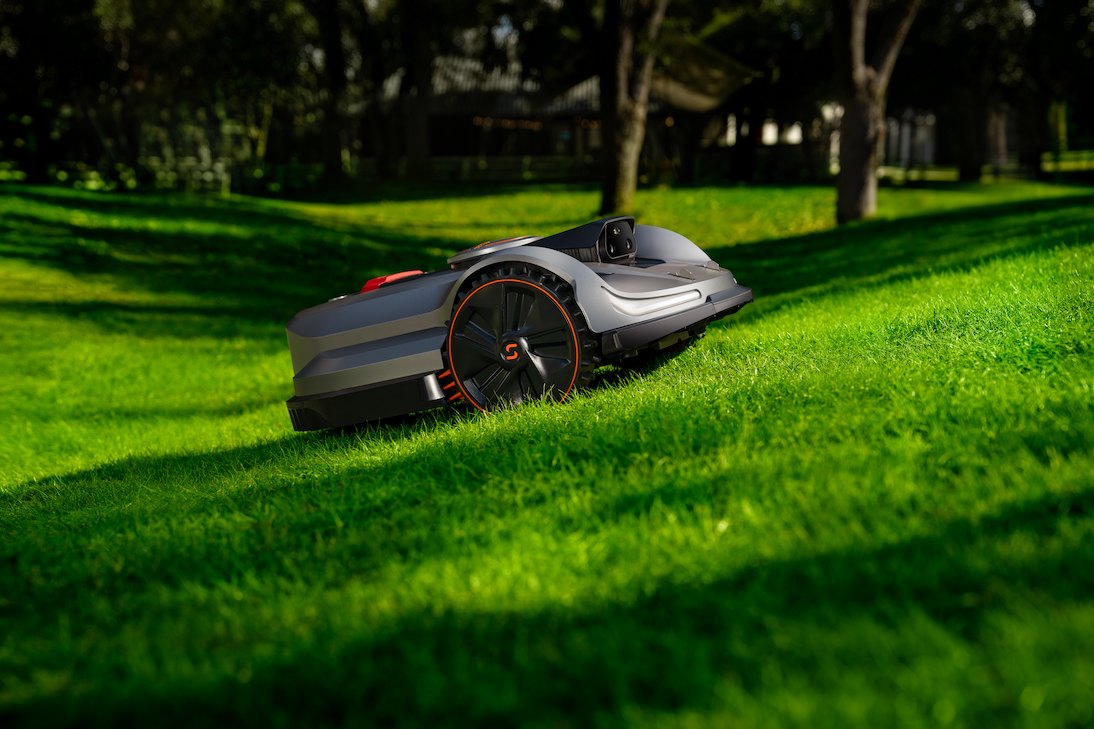
If these problems keep returning every season, it may be worth thinking beyond another battery replacement. A traditional riding mower or lawn tractor still depends on starting batteries, charging checks, storage care, and occasional replacement. A robot lawn mower changes that routine by handling mowing automatically and reducing the number of battery-start problems you need to manage.
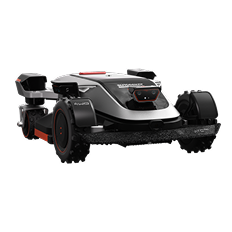
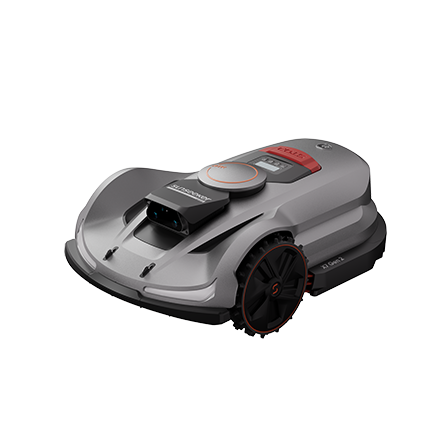
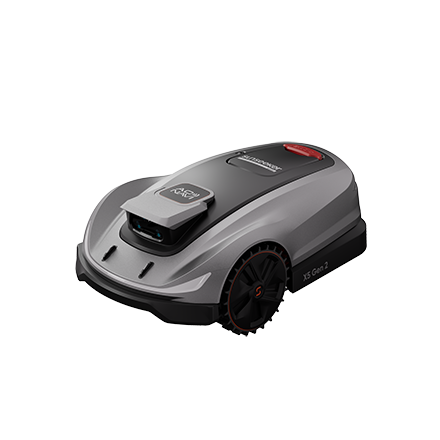
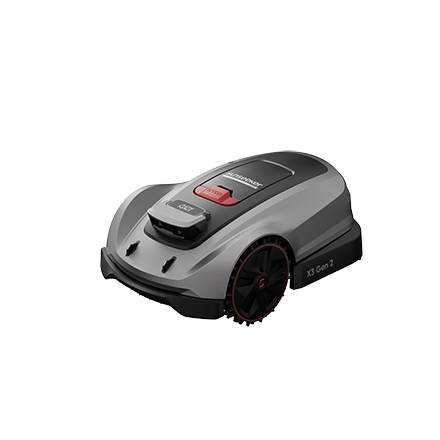
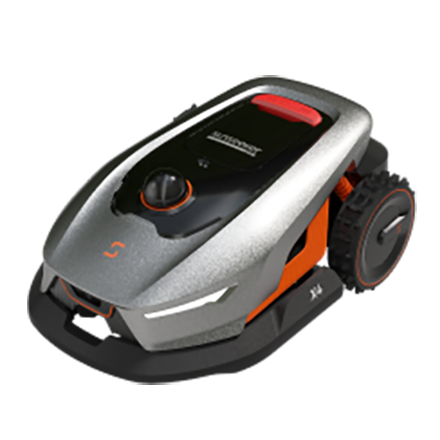
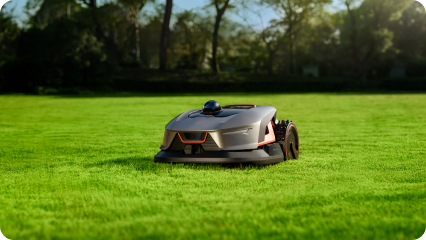
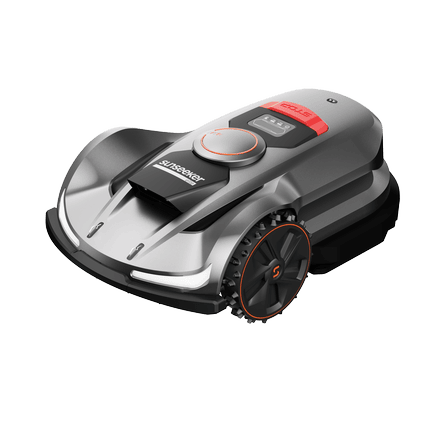
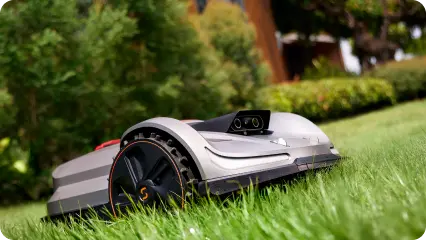
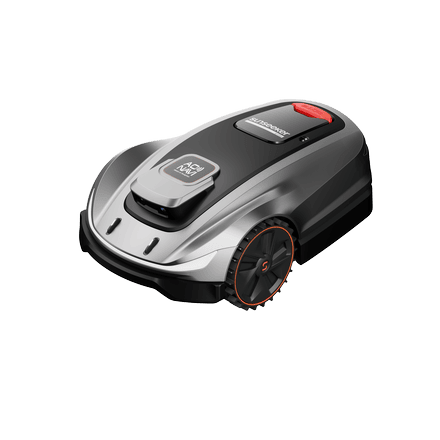
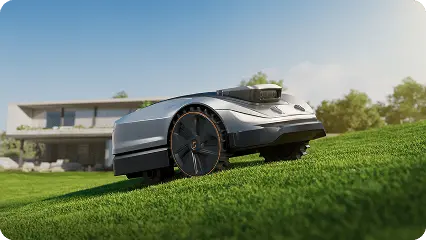
For homeowners who want less mower maintenance, the Sunseeker Elite X Gen 2 Series is a practical alternative. It offers wire-free mowing, smart navigation, app control, and models designed for complex lawns up to 6000 m². Instead of dealing with jump-starts or 12V battery issues, you can set mowing schedules and let the mower maintain the lawn more consistently.
A good lawn mower battery helps your mower start smoothly and work when you need it. Whether you use a riding mower, a lawn tractor, or a robotic mower, choosing the right battery and charging it properly can save you a lot of trouble later.
Before the mowing season starts, take a few minutes to check the battery, clean the terminals, and make sure it has enough charge. With simple care and the right charger, your mower will be easier to start and ready for regular use throughout the season.
Most residential riding mowers use a Group U1 battery, which is roughly 21cm long, 13cm wide, and 18.4cm high. You should also verify if you need a standard U1 (positive on the left) or a U1R (positive on the right) for your specific cable reach.
You may be able to bring a dead lawn mower battery back to life if it is only deeply discharged. Try charging it with a compatible low-amp charger or smart charger. If it holds a charge and starts the mower, it can still be used. But if the battery is swollen, leaking, corroded, or quickly loses power again, it is safer to replace it.
With consistent maintenance, such as off-season trickle charging and keeping terminals free of corrosion, a quality 12V lawn mower battery typically lasts between 3 to 5 years. Factors like extreme temperature fluctuations and excessive engine vibration often shorten this lifespan, so performing regular inspections is vital for ensuring long-term reliability and avoiding unexpected starting issues during spring.