








FAQs
4/22/2026
Contents
Products
Residential Lawns












Commercial Landscapes
Explore
Where to Buy


Mowing around pavers requires a careful sequence to protect both grass and stone. Start by trimming or edging, adjust your mower deck slightly lower, and mow parallel to the pavers while leaving a small buffer. Follow up with a trimmer and sweep clippings. Preventive steps like root barriers and polymeric sand reduce future overgrowth.
Your lawn looks great from a distance. Then you get to the patio edge and there's a scraggly fringe of grass flopping over the stones, an uneven border, maybe a chipped paver from where the mower got too close. It's a small thing, but it's the kind of detail that makes the difference between a yard that looks cared for and one that looks almost cared for.
Knowing how to mow grass around pavers properly makes the whole process quicker and less frustrating. Below, you’ll find practical tips to get it right.
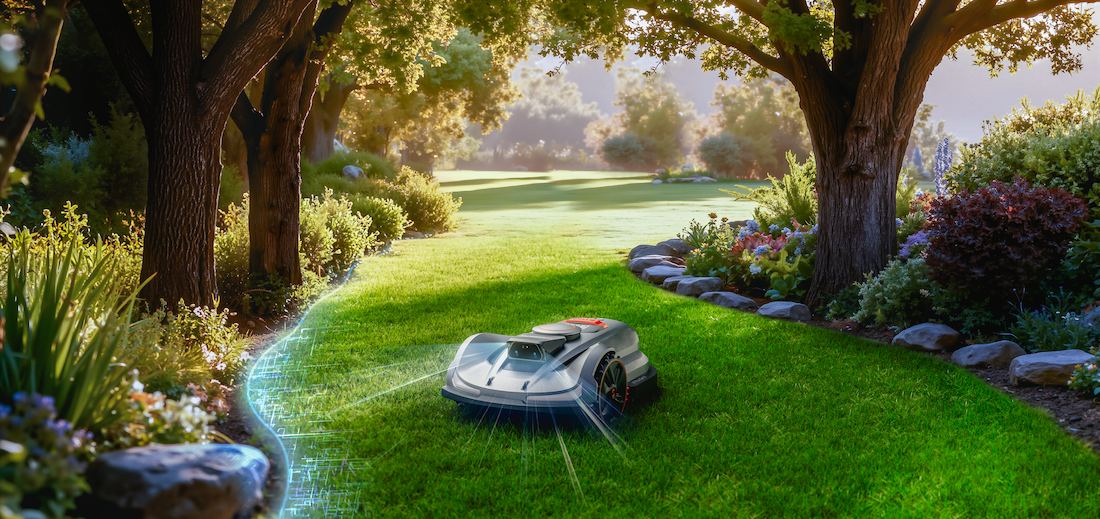
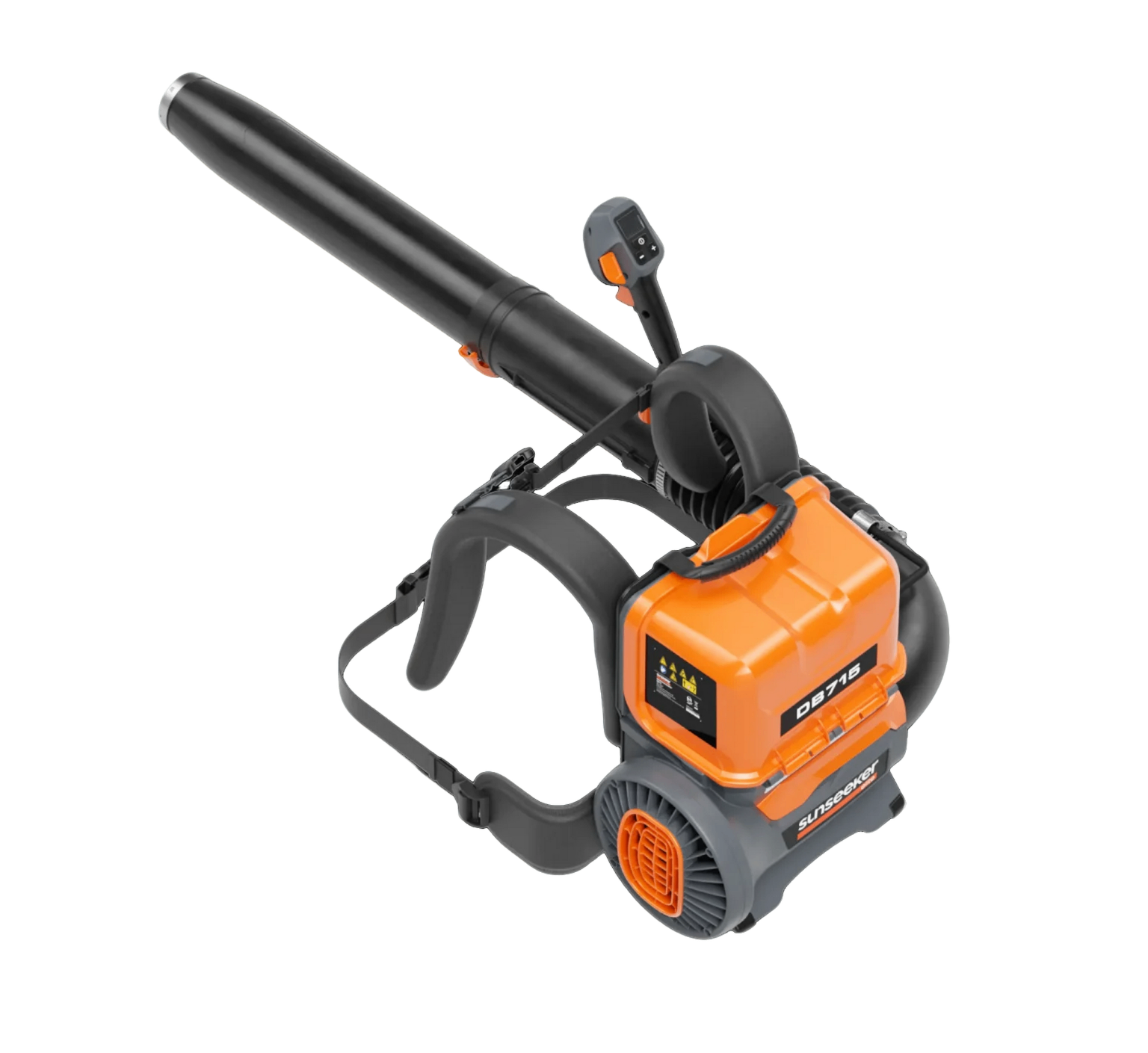
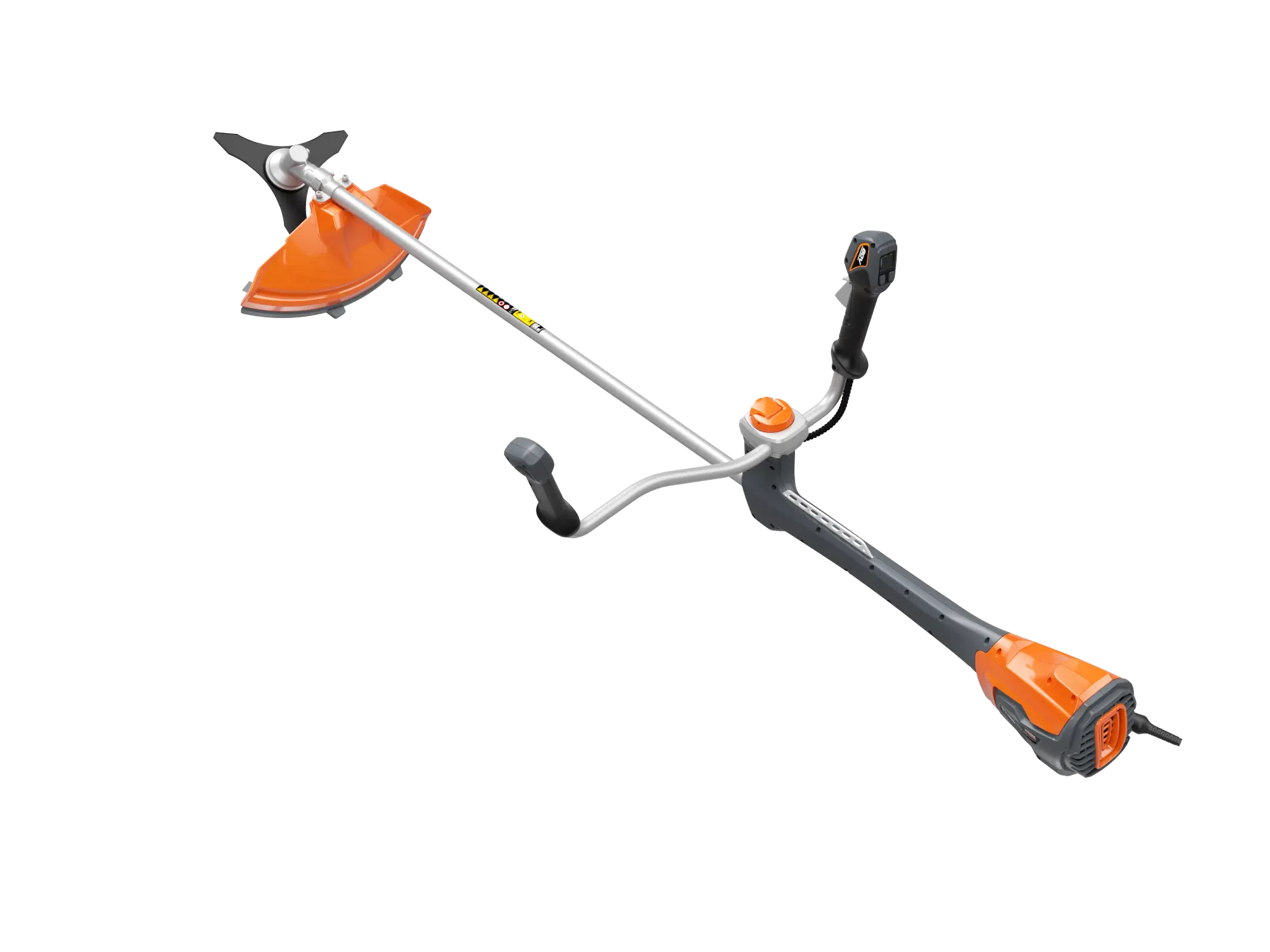
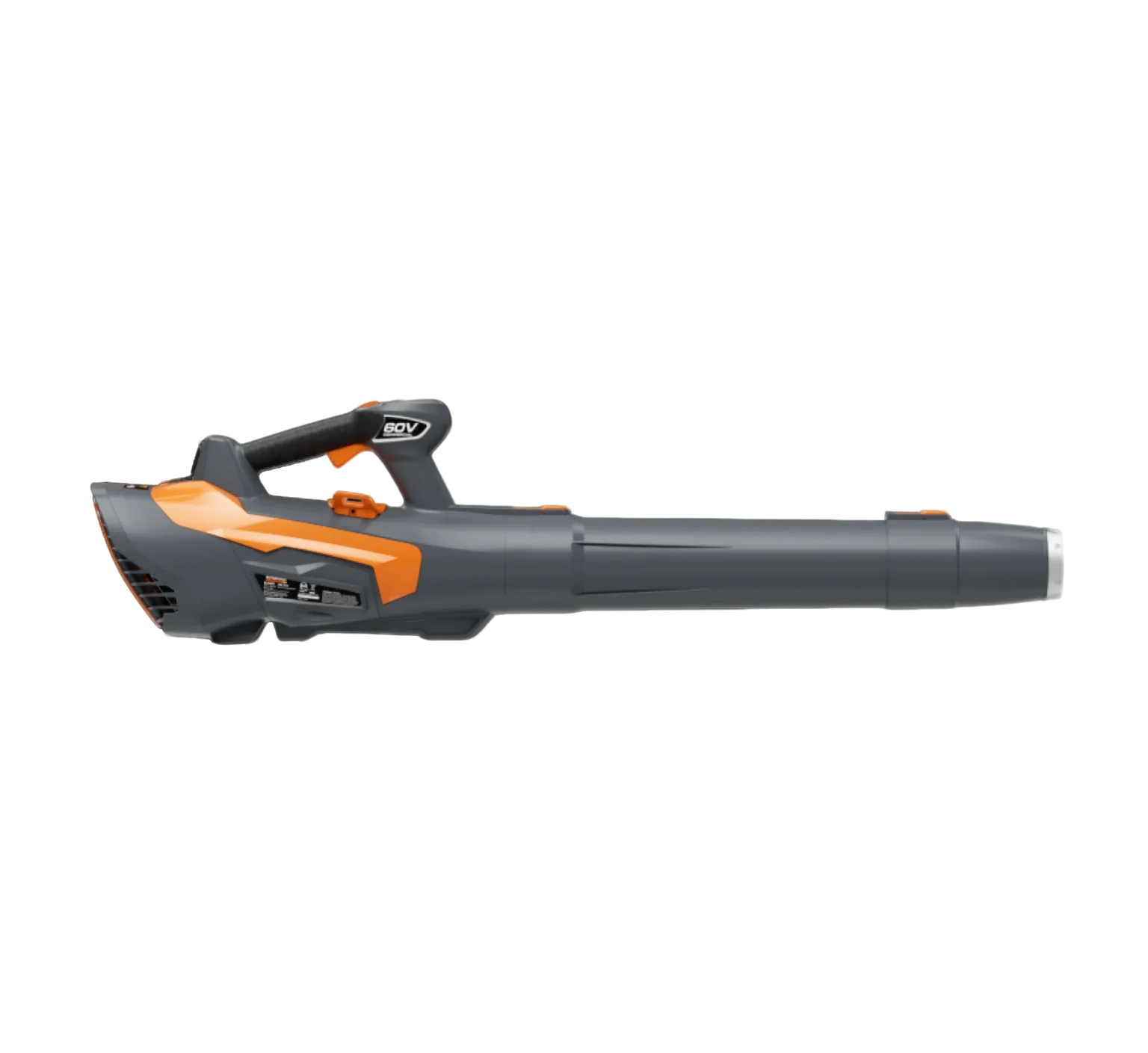
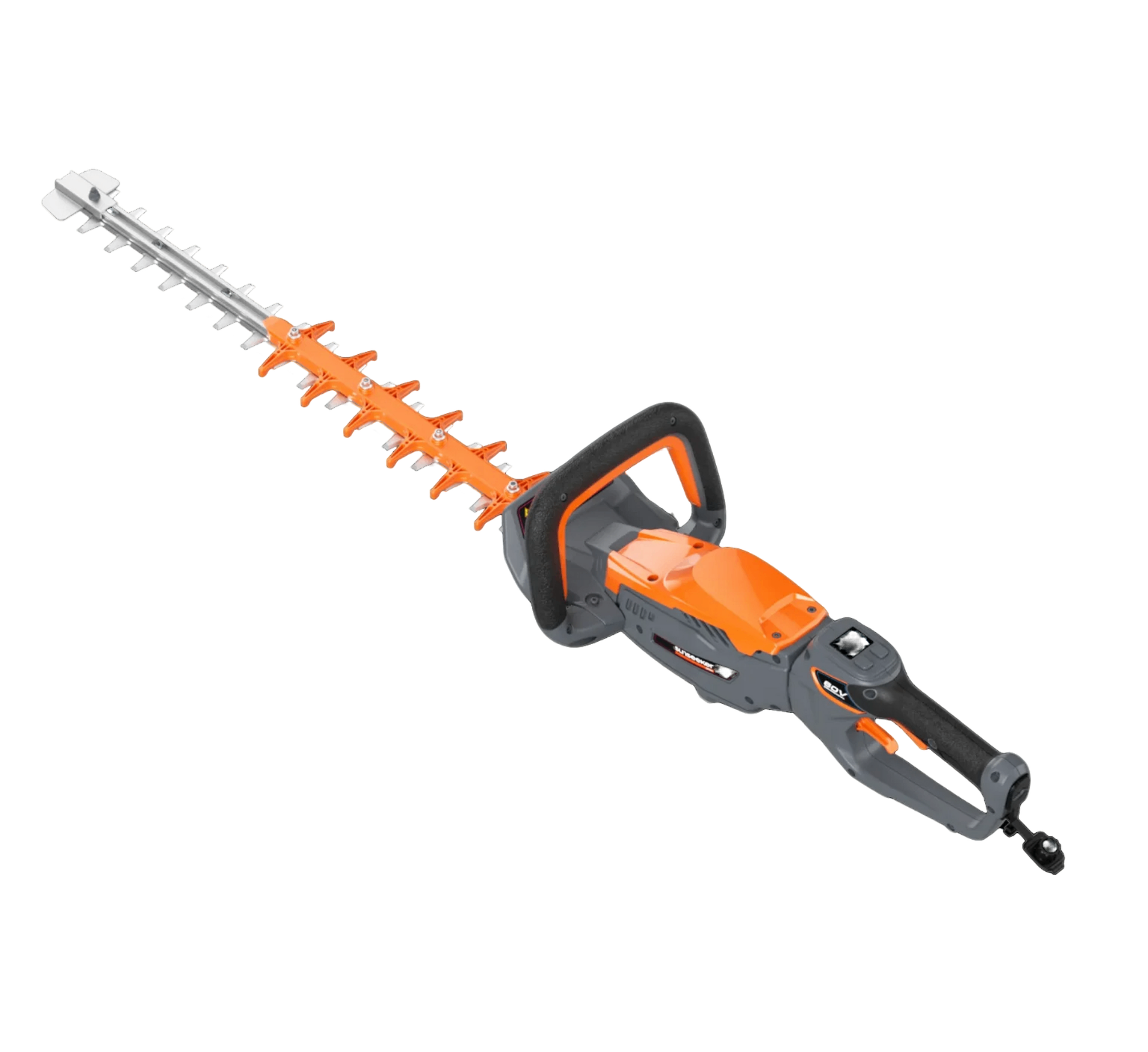
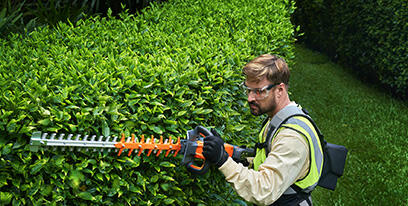
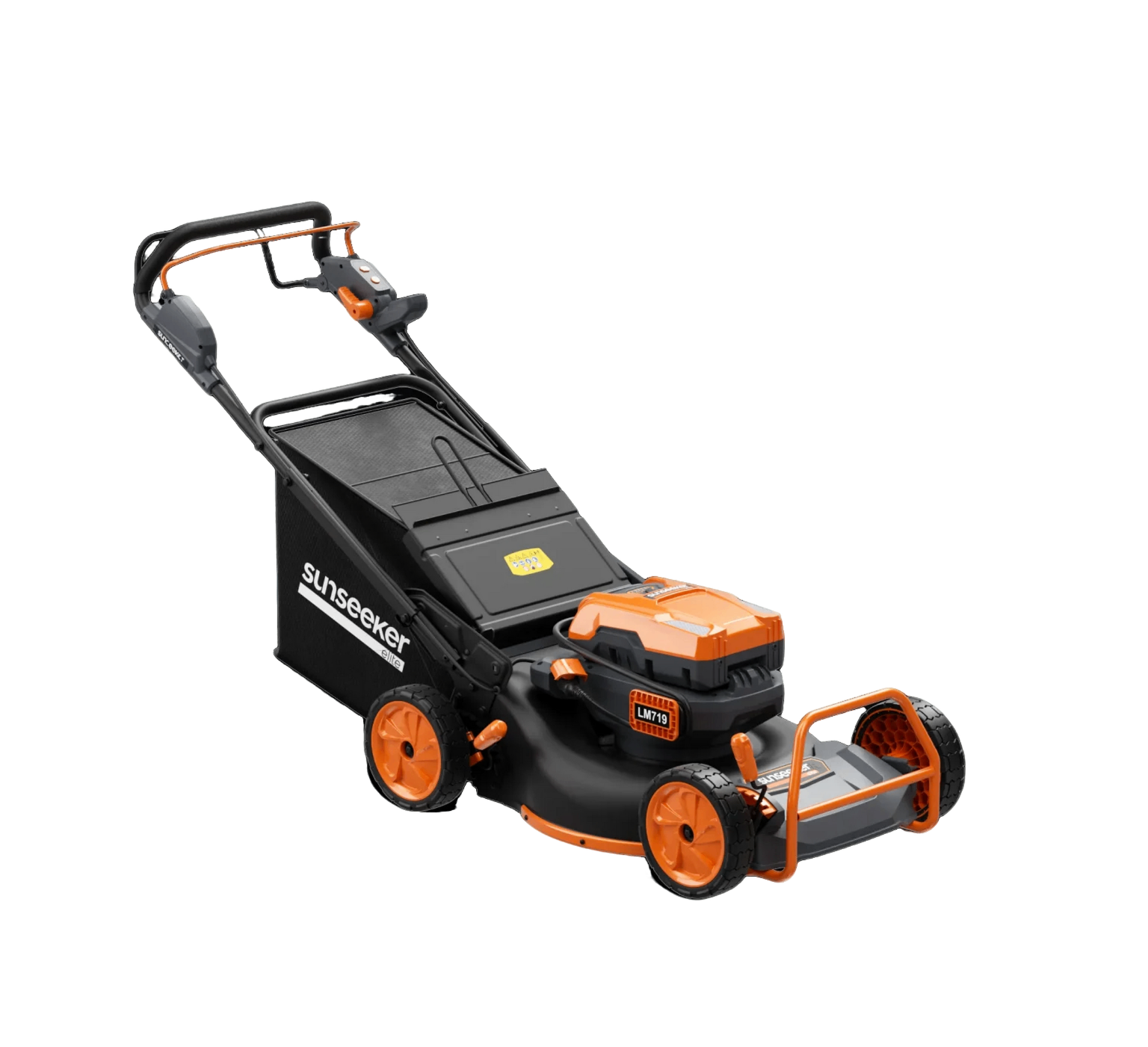
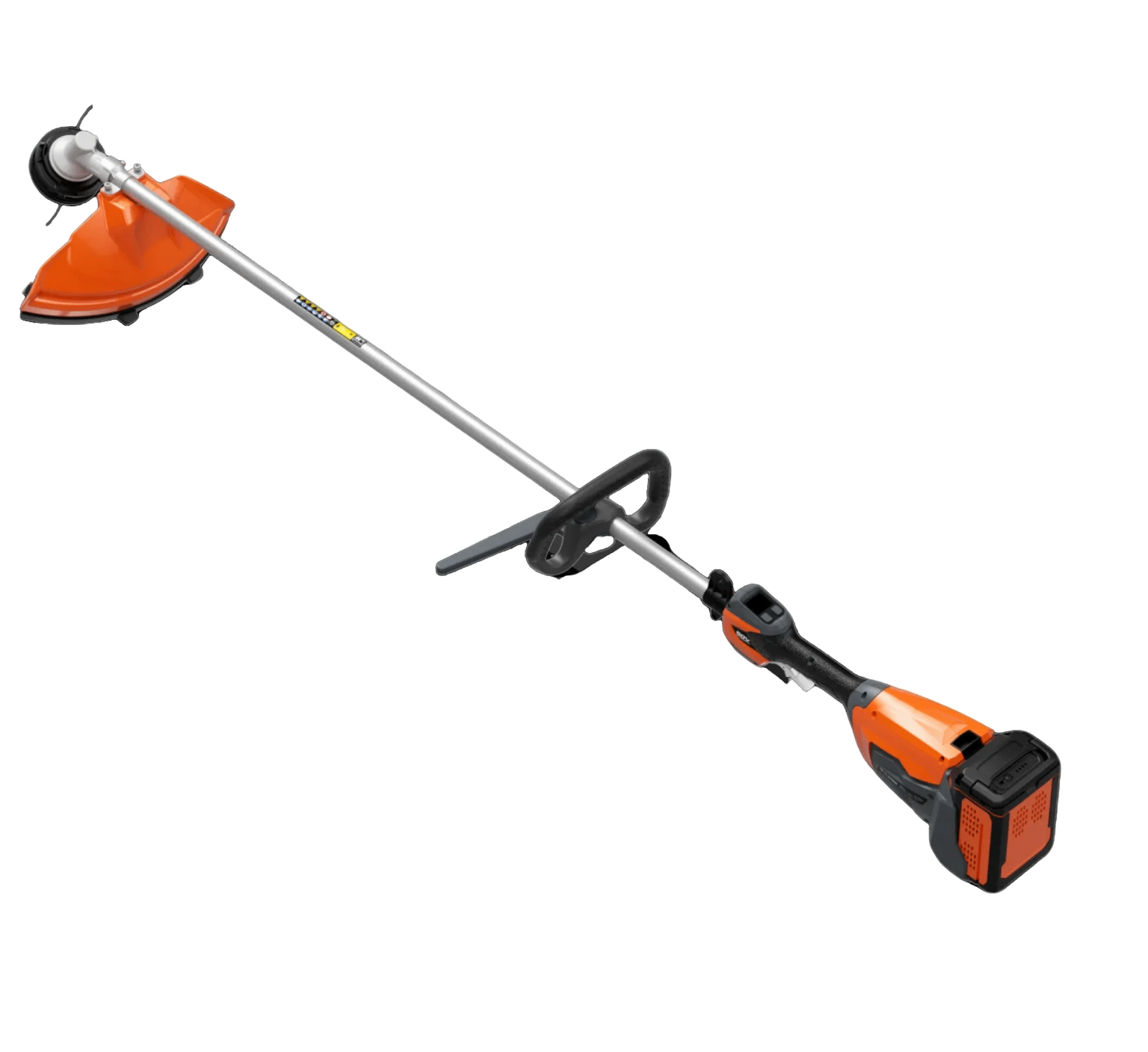
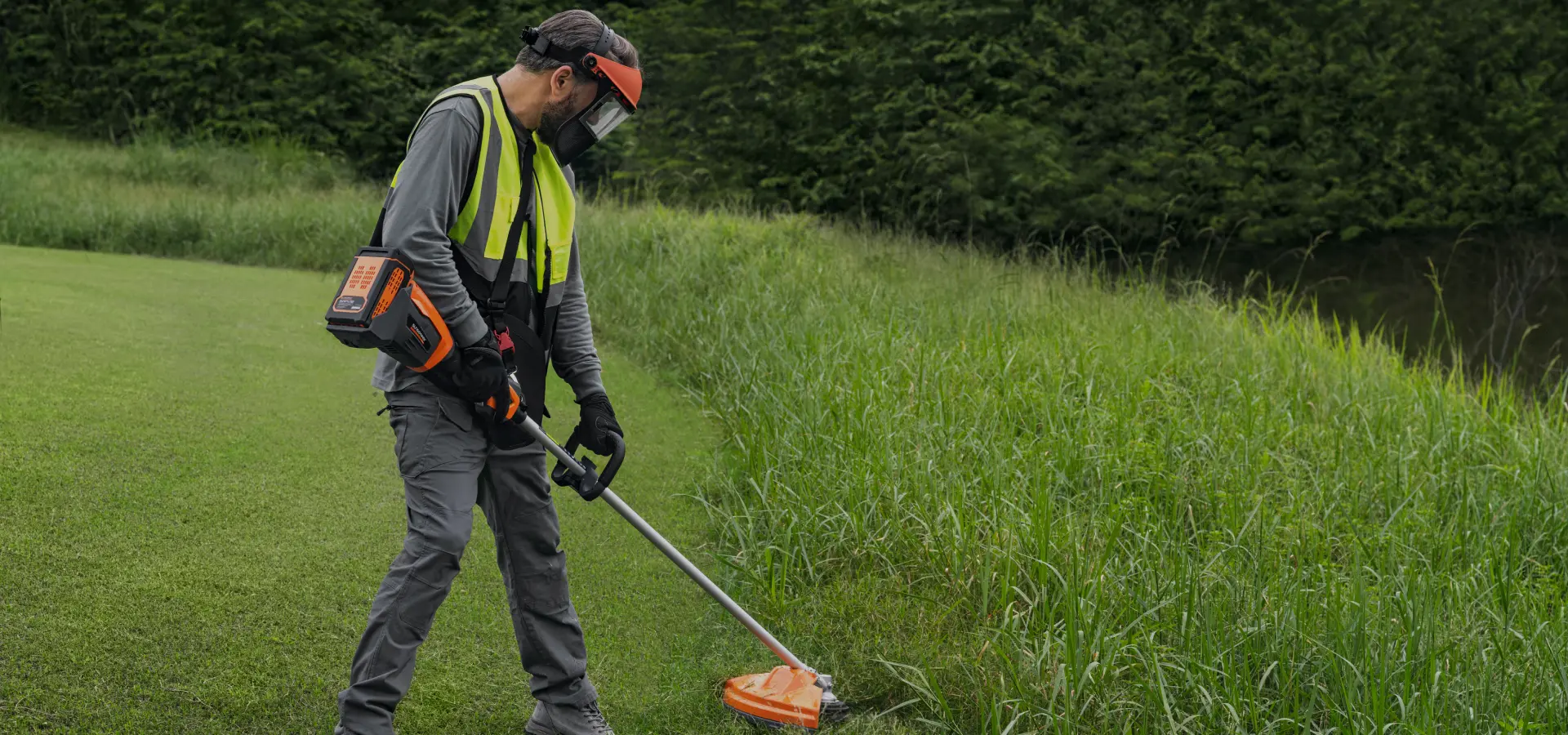
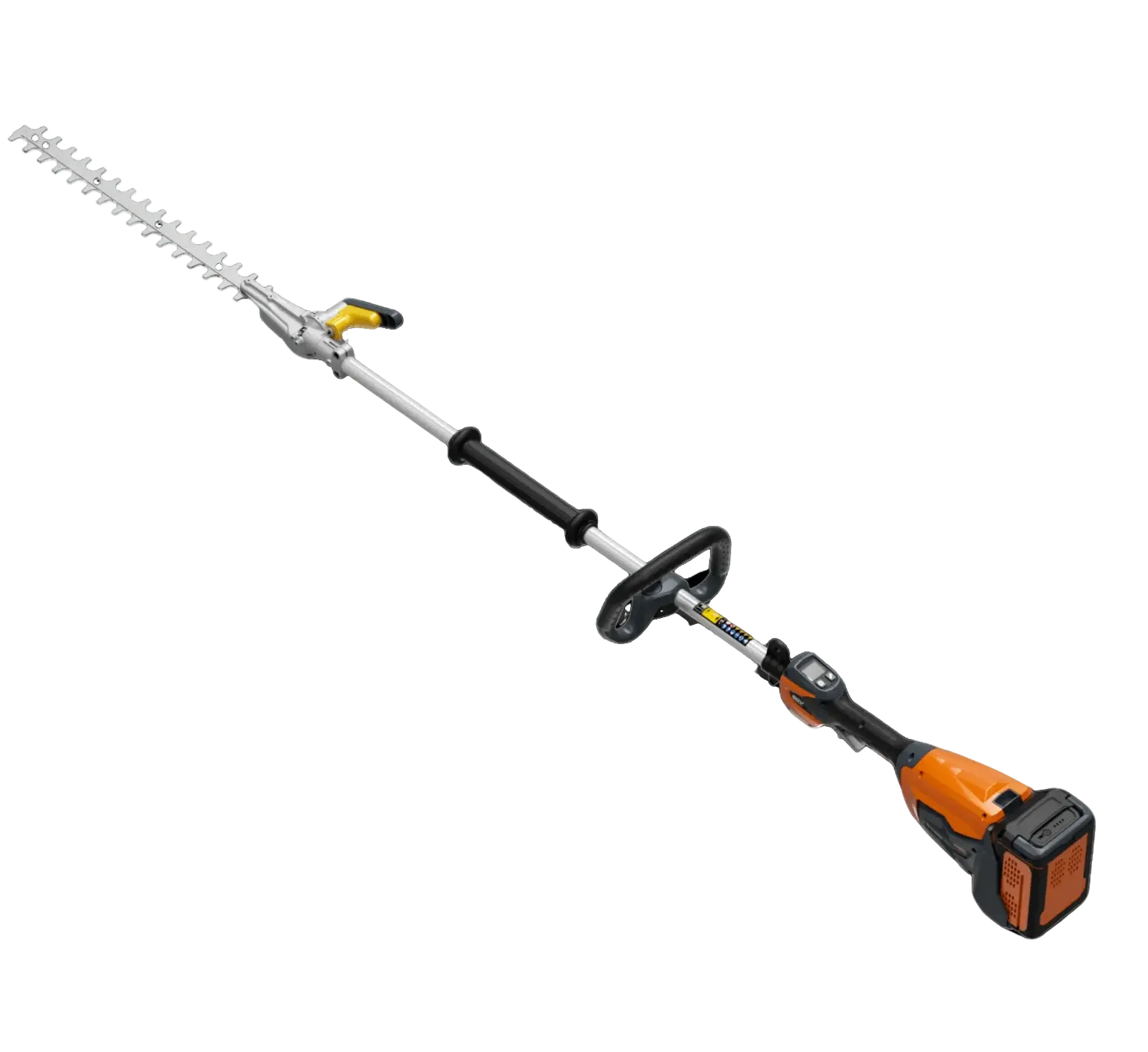
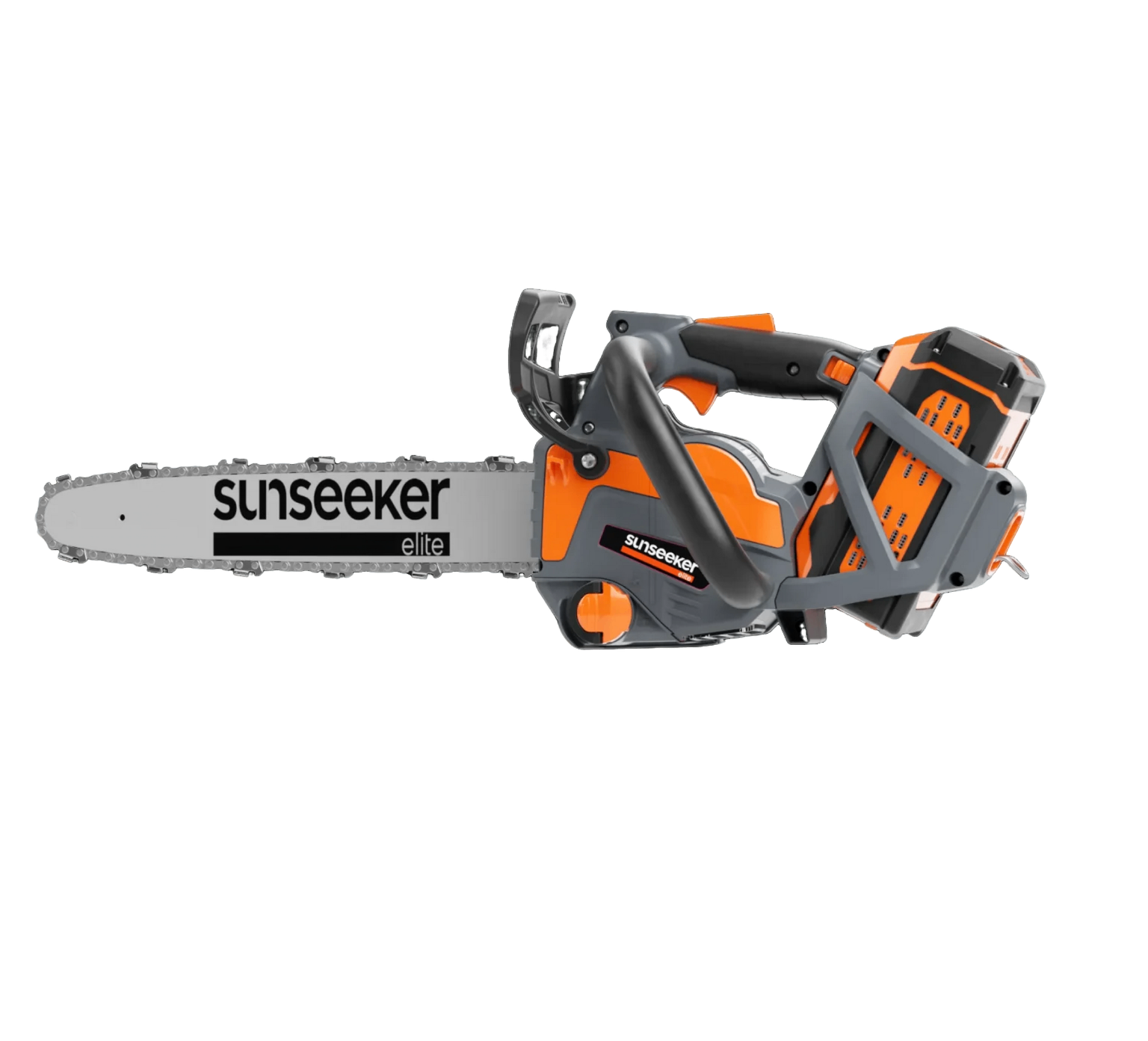
Having the right tools makes mowing around pavers easier and helps you get a cleaner edge without extra effort. Here are a few that really help:
The process is simpler than it looks. Here's how to get through it cleanly from start to finish.
Before you start mowing, run your string trimmer or edger along the paver border. This gives you a clean line to follow and lets the mower pick up the loose trimmings as it goes. Doing it after mowing means going over the same area twice.
The ground near pavers tends to sit a little higher than the rest of the lawn. Dropping your deck height one setting takes care of that, so you don't end up with an uneven fringe right along the stone.
Run your mowing lines parallel to the paver edge rather than pointing at it. Coming at the edge head-on makes it easy for the mower wheel to ride up onto the stone, which is where chips and blade damage happen.
There's no need to push the mower all the way to the last stone. Leaving a small gap keeps the blade away from the paver surface, and your trimmer will handle that strip in the next step.
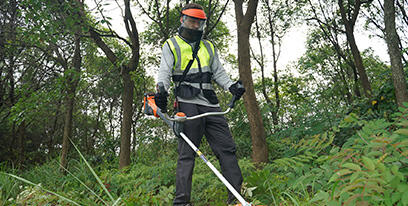
Use your string trimmer to clean up the narrow margin you left. Keeping the line parallel to the ground gives a clean, even cut. Tilting it downward tends to dig into the turf and leave patchy spots.
A lawn mower always throws some clippings onto the stone. A quick sweep or blow-off at the end is worth doing, since clippings left on pavers can stain the surface once they start breaking down.

Most of the damage near pavers comes from the same few habits. Here's what tends to go wrong.
Pavers settle at different heights, so when your wheel is on stone instead of turf, the deck shifts and you lose control of the cut. The blade can scalp the grass at the edge or chip the paver surface.
Mowing alone doesn't give you a clean border. Grass along paver edges grows thicker and springs back after the blade passes, so within a few days the fringe looks worse than before. Edging is what actually defines the line.
If a paver has shifted slightly, a high-speed trimmer line can knock it further out of place. Walking the edge before you start only takes a minute and saves a more annoying repair later.
Long grass near pavers flops over the stone and takes multiple passes to clean up. . For newly established turf, knowing when to mow new grass is especially important: wait until it reaches about 3–4 inches and has developed enough roots to resist being pulled from the soil. After the first cut, a regular mowing schedule keeps each session short.
Wet grass clumps under the deck and sticks to the pavers instead of cutting cleanly. Dry conditions make the whole job noticeably easier.
The less grass creeping onto your pavers to begin with, the easier each mowing session gets. A few simple steps go a long way over a full season.
Mowing around pavers cleanly is really just about having a sequence. Trimming the border first, mowing with a slight height adjustment, keeping a buffer strip, then going back to clean it up, that rhythm makes the whole thing manageable. Adding preventive work like polymeric sand and a root barrier helps the ongoing effort drop significantly. A mower with reliable height adjustment takes a lot of the guesswork out when you're working near uneven ground. Once the process feels natural, it tends to become one of the faster parts of your yard routine.
Technically yes, but it's a habit worth avoiding. When your mower wheel sits on stone instead of turf, the deck height shifts and you lose control of your cut. If the blade contacts the paver surface, stone chips can fly in any direction. The cleaner approach is to keep the mower on grass and let your string trimmer handle the border strip right along the stone.
Keep the grass around 6.5 to 7.5 cm high. This height keeps the edge looking clean while helping the grass stay upright instead of spreading over the pavers. Cutting too short can weaken the grass and cause uneven growth along the border.
Edging before mowing is the better sequence, and it makes a noticeable difference. Edging first defines the line you're working toward, knocks down any overhang, and lets the mower collect a lot of the loose trimmings on its pass. If you edge after mowing, you've lost your reference line and you're more likely to duplicate effort on areas you already covered.
Every two to three weeks during peak growing season works for most lawns. If you've got a pre-emergent application in and a root barrier installed, you can sometimes stretch to once a month without the border looking overgrown. In cooler months when growth slows down, every four to six weeks is usually enough to stay on top of it.