






FAQs
6/13/2026
Contents
Products
Residential Lawns


Commercial Landscapes
Explore
Where to Buy


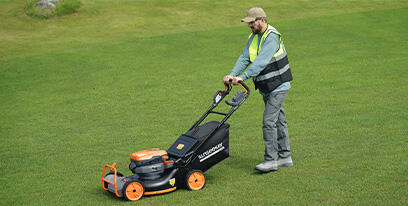
Electric push mowers have become a practical first choice for most residential yards. They run cleaner than gas models, need less maintenance, and are quiet enough for early morning use without annoying the neighbors. Battery technology has improved enough that runtime is rarely a limiting factor for small to mid-size lawns.
If you're shopping for a new mower and wondering whether an electric push mower is worth it, the short answer is yes, for most residential lawns. These machines have come a long way from the underpowered corded models of a decade ago. Today's battery-powered options are quieter, cleaner, and easier to maintain than gas mowers, without sacrificing the cutting performance most yards actually need. This guide covers what electric push mowers are, why they've become so popular, where they fall short, and what to look for before buying.
A battery push mower is a walk-behind lawn mower powered by a rechargeable battery rather than a gasoline engine. You push it forward manually as it cuts, which gives you direct control over pace and direction. Most current models run on lithium-ion battery platforms ranging from 40V to 80V, with higher voltages generally offering more power and longer runtime.
The main types you'll encounter:
|
Type |
Power Source |
Best For |
|
Corded electric |
Outlet via extension cord |
Very small yards, tight budgets |
|
Battery (self-contained) |
Onboard rechargeable pack |
Most residential lawns |
For most buyers, a battery powered walk behind lawn mower is the right call. Corded models limit your range and create a tripping hazard.
The shift away from gas has been driven by a few practical advantages that compound over time.
Electric push mowers are the right choice for most yards, but it's worth knowing where they have limitations before buying.
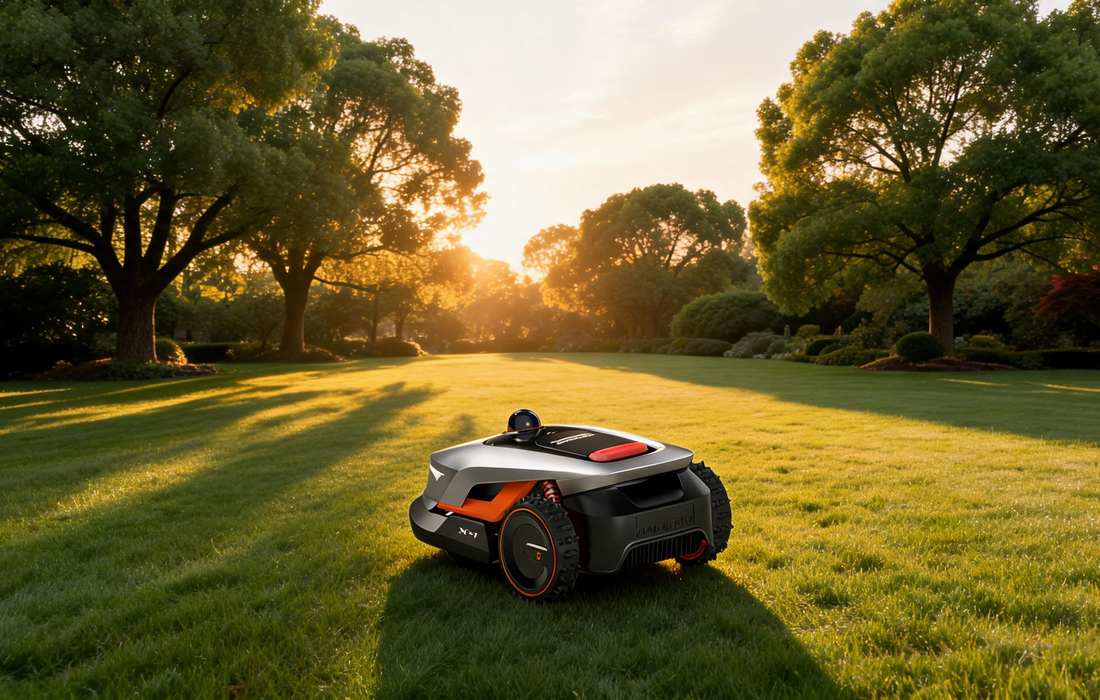
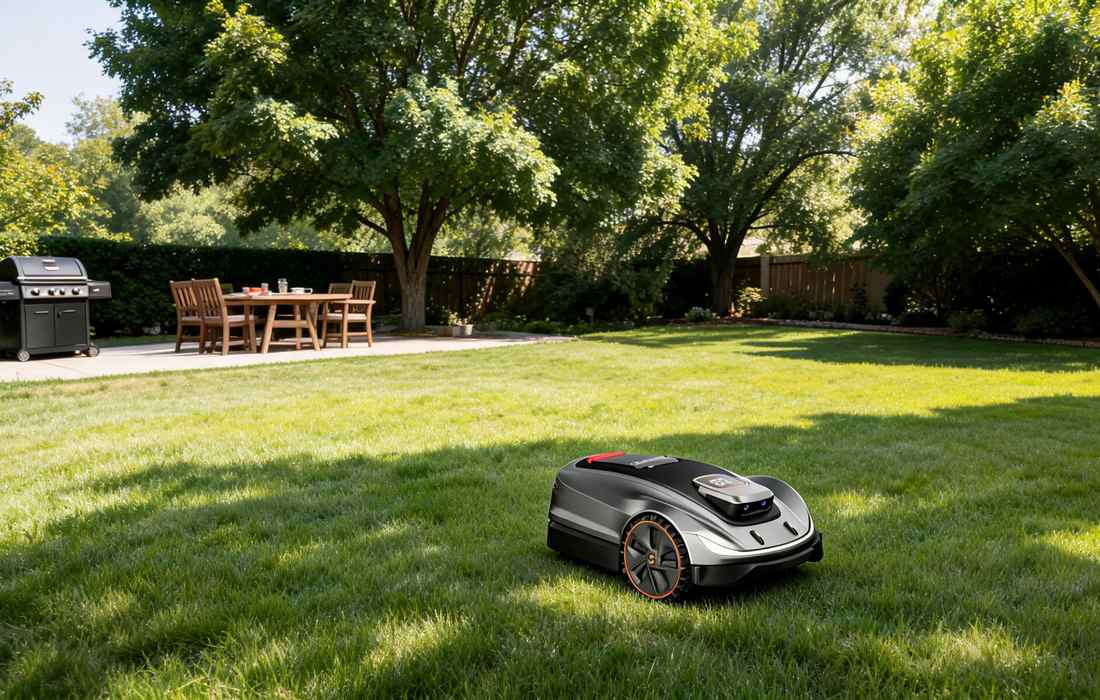
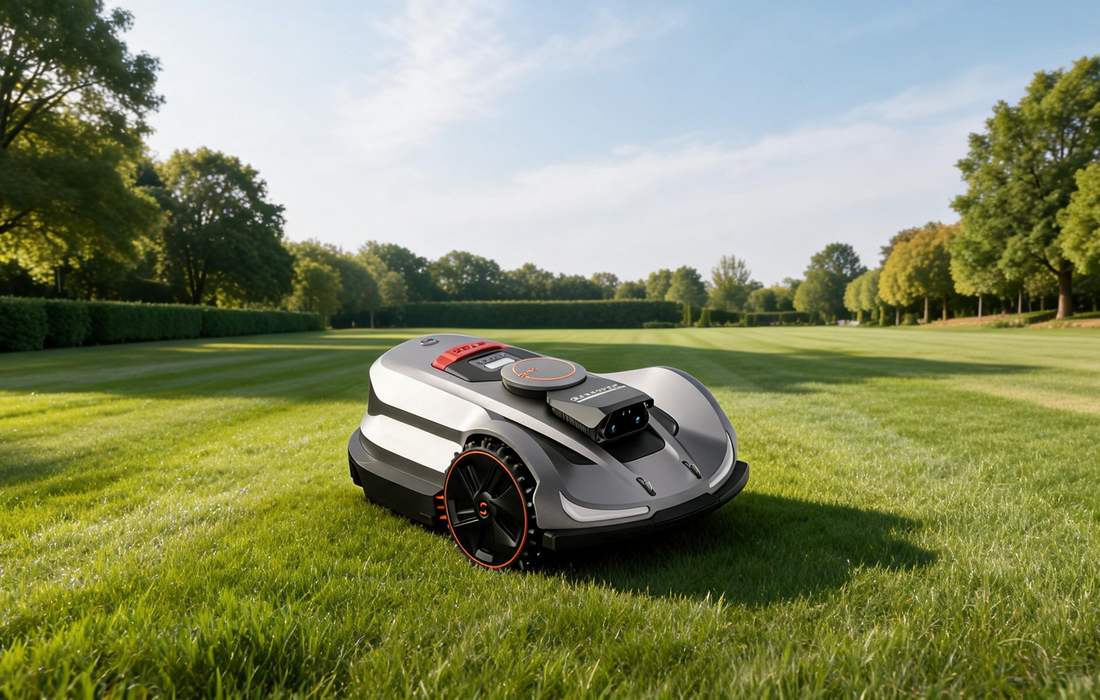
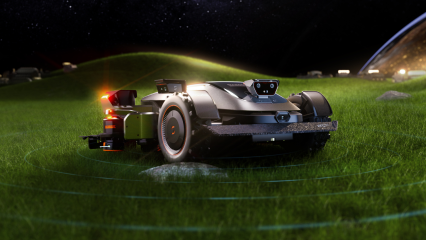
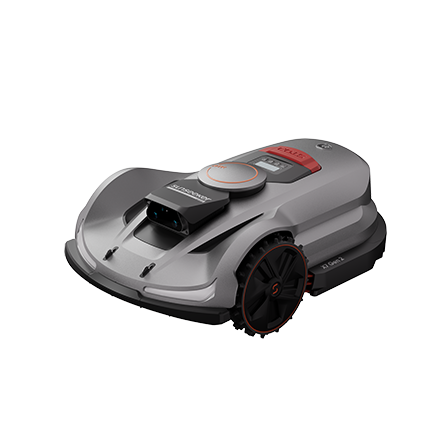
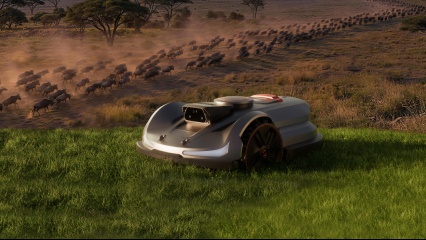
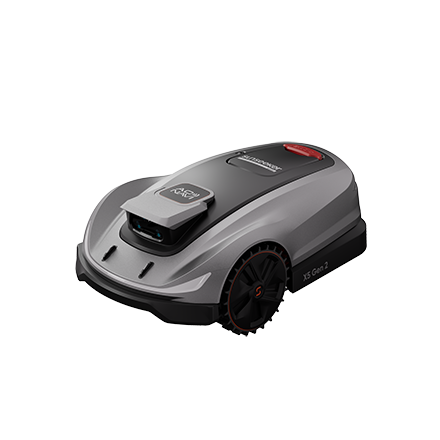
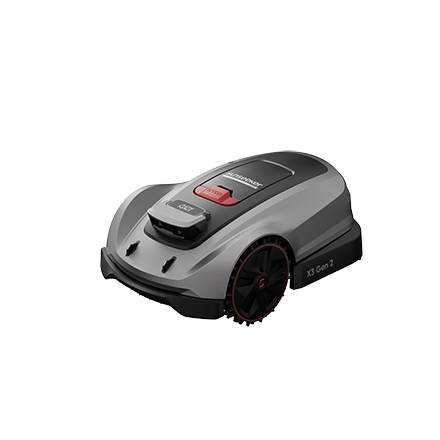
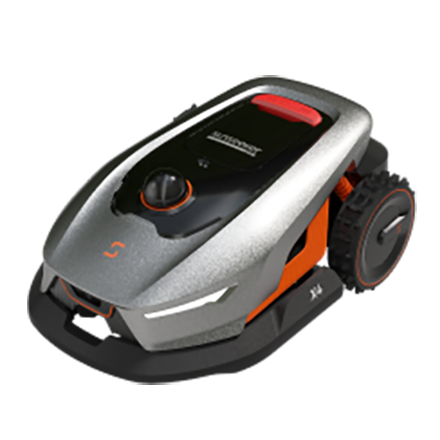
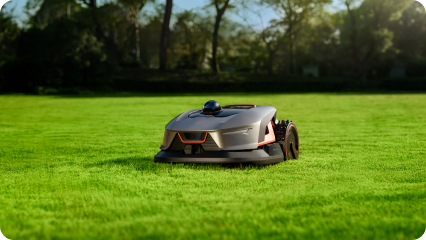
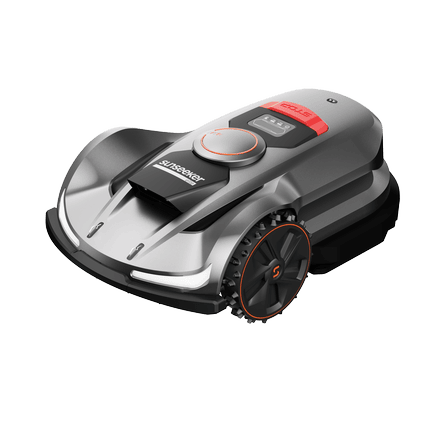
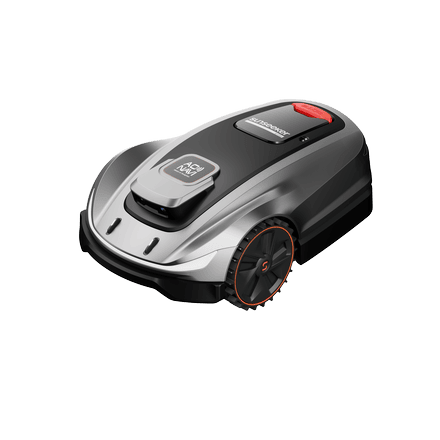
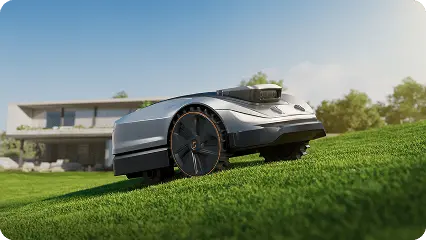
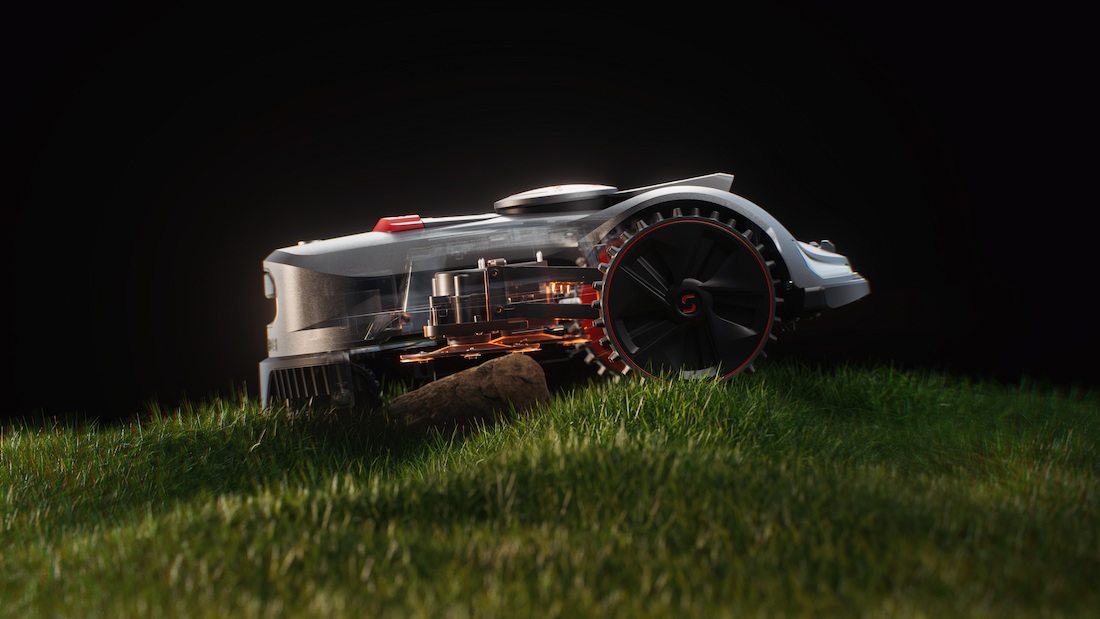
None of these drawbacks are dealbreakers for most homeowners. The right voltage and battery capacity choice at purchase takes care of the majority of them. That said, for larger or more complex properties where even periodic mowing feels like a chore, a robotic mower removes the effort entirely. The Sunseeker Elite X7 / X7 Plus handles up to 12,000 m² autonomously with wire-free navigation and Vision AI obstacle detection, making it a genuinely hands-off alternative worth considering.

Several factors genuinely affect day-to-day performance. Here's what to focus on.
1.Voltage and battery capacity. Higher voltage means more torque, which matters for dense grass, hills, and larger lawns. 40V is sufficient for flat, well-maintained turf under 1,000 m². 60V or 80V handles more demanding conditions. Check amp-hour (Ah) ratings too. A 4.0Ah battery lasts roughly twice as long as a 2.0Ah pack on the same platform.
2.Cutting width. Most residential models range 43–53 cm. A wider deck covers more ground per pass, which matters for efficiency on larger lawns. A rechargeable push mower in the 51–53 cm range is generally the sweet spot for yards 185–930 m².
3.Cutting height range. Look for at least five height positions spanning roughly 2.5–10 cm. A wider range gives you flexibility for different grass types and seasonal adjustments.
4.Single-lever vs. individual wheel adjustments. Single-lever height adjustment changes all four wheels at once. Individual adjusters require more fiddling. This seems minor until you're changing heights every other session.
5.Mulching, bagging, and side discharge. Most electric push lawn mowers support all three. Mulching is worth using regularly. It returns nitrogen to the soil and reduces the need for bagging.
6.Self-propelled vs. push-only. Self-propelled models cost more but reduce fatigue significantly on slopes or larger yards. If your lawn is hilly or over 1,350 m², the upgrade is usually worth it.
7.Weight. Electric mowers are generally lighter than gas equivalents, but battery weight varies. Check total machine weight if you store the mower on a shelf or need to carry it up steps. If keeping costs down is a priority, a cheap electric push mower in the 40V range still handles most flat, maintained lawns without issue.
When choosing an electric walk behind lawn mower in 2026, the options below represent strong performance across key use cases.
|
Model |
Voltage |
Cutting Width |
Best For |
|
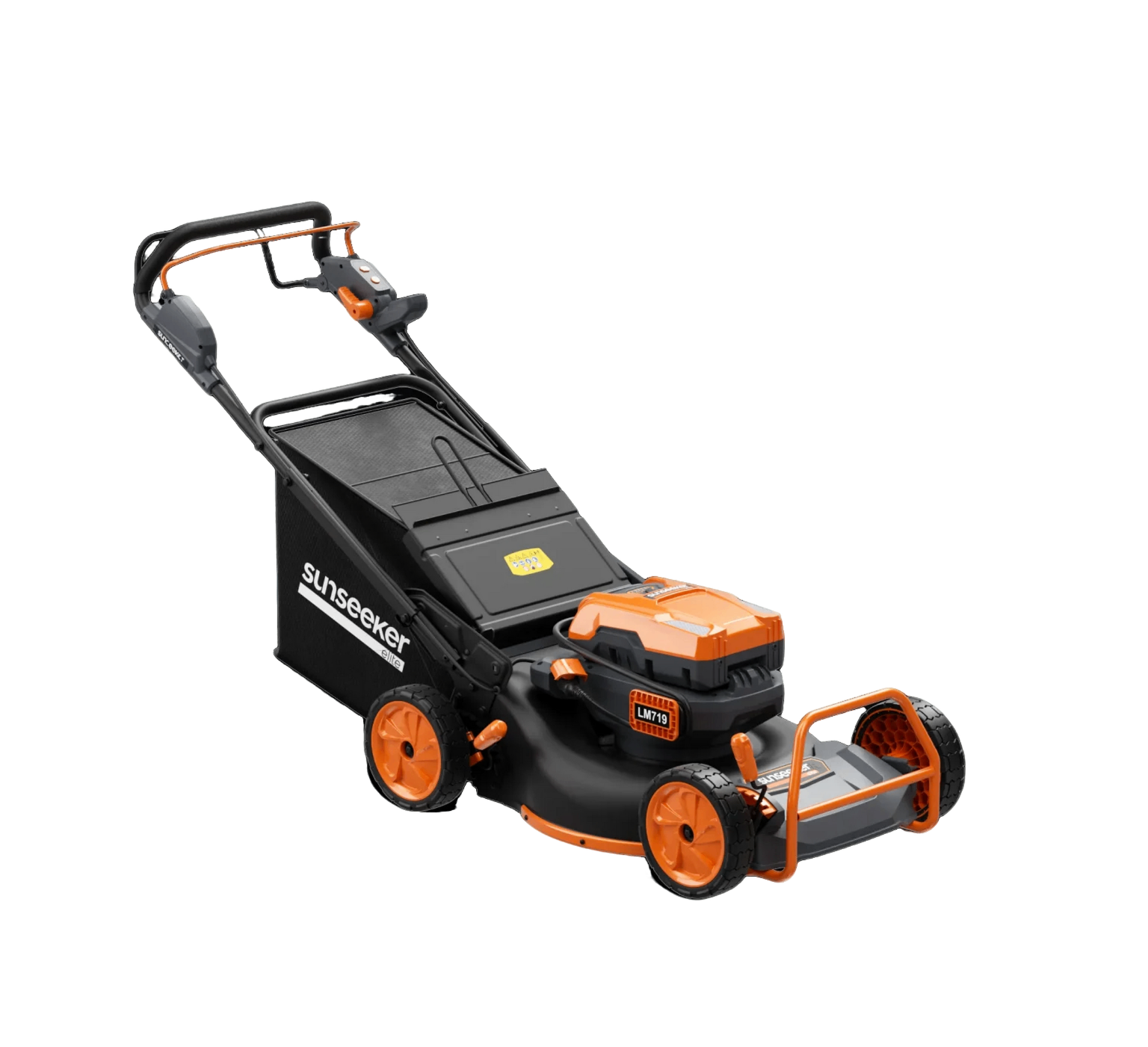
Sunseeker Elite LM719 |
60V |
56 cm |
Commercial-grade power, dual-blade cutting |
|
EGO Power+ LM2135SP |
56V |
53 cm |
Large yards, self-propelled |
|
Greenworks Pro 80V |
80V |
53 cm |
Power-focused buyers |
|
Ryobi 40V HP |
40V |
51 cm |
Budget-friendly mid-size yards |
|
Milwaukee M18 FUEL |
18V (high-output) |
53 cm |
Platform buyers with M18 tools |
The Sunseeker Elite LM719 is a strong choice for homeowners who want gas-level cutting power without fuel, oil changes, or heavy maintenance. Its 60V Commercial platform, 56 cm steel deck, and 3-in-1 cutting system make it suitable for regular lawn care, while eight cutting height positions from 2.5 to 8.9 cm help handle different grass conditions.
The EGO Power+ LM2135SP is a good fit for larger yards where pushing a mower can quickly become tiring. It uses a 56V system, a 53 cm deck, and EGO’s Select Cut multi-blade system for a cleaner finish. With up to 9.5 J of torque and about 60 minutes of runtime on a 7.5Ah battery, it balances power and convenience well.
The Greenworks Pro 80V is built for thick, dense, or harder-to-cut grass. Its 80V DigiPro brushless motor delivers power comparable to a 160cc gas engine, while SmartCut technology adjusts output based on grass density. The 53 cm deck, 4-in-1 cutting design, and coverage of up to 3000 m2 make it a practical pick for demanding lawns.
The Ryobi 40V HP is a smart option for smaller yards and homeowners who want solid performance without spending too much. Its 40V HP brushless motor is designed to outperform a 150cc gas mower, and the 51 cm deck keeps it easy to manage. With up to 45 minutes of runtime and seven height positions, it works well for everyday lawn care.
The Milwaukee M18 FUEL is best for professionals or homeowners who need heavy-duty electric mowing performance. Powered by dual M18 batteries, it delivers torque comparable to a 200cc gas engine and reaches full throttle in under one second. Its 53 cm steel deck, strong cutting power, and up to 60 minutes of runtime make it suitable for tougher mowing jobs.
These are broad categories. Specific configurations, pricing, and availability shift throughout the year, so verifying current specs before purchasing is a good idea.
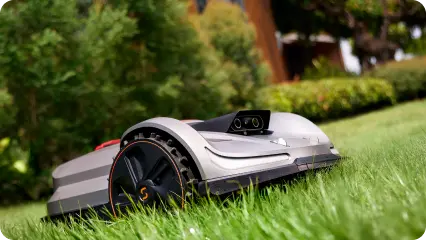
For yards where push mowing still feels like too much work, a robot lawn mower is worth considering. Fully autonomous cutting with smart scheduling and multi-zone management works around your daily routine rather than requiring it.
An electric push mower handles most residential lawns well. It's quieter, cheaper to run, and easier to maintain than gas, with modern battery platforms that now match gas performance in most real-world conditions. The main trade-offs are runtime limits on larger properties and higher upfront cost, both of which are manageable with the right model choice. For average suburban yards, a 40V to 60V model in the 51–53 cm range covers most needs without overspending.
Yes, for most residential lawns they perform very well. Modern 40V to 80V models match gas mowers in cutting quality and handle typical grass conditions without issue. They're quieter, require less maintenance, and start instantly. The main limitation is runtime on very large properties, which a spare battery or higher-capacity pack can address.
On maintained residential turf, the cutting quality is comparable. Higher-voltage electric models handle dense or tall grass effectively, and blade speed is generally on par with gas engines. Where gas still has an edge is in raw sustained power for very thick, overgrown conditions. Most homeowners mowing regularly won't encounter that situation.
A well-maintained electric push mower typically lasts 8–10 years. The motor itself is durable with minimal wear, and the main consumable is the battery pack, which generally degrades noticeably after 300–500 charge cycles, roughly 3–5 years of regular use. Replacing the battery extends the mower's usable life significantly without requiring a full replacement.