












Buyer's Guide
6/18/2026
Contents
Products
Residential Lawns










Commercial Landscapes
Explore
Where to Buy


A push mower carburetor usually causes trouble when fuel gets old, passages get dirty, or airflow becomes restricted. Stalling, surging, smoke, leaking fuel, and weak cutting power are common warning signs. In many cases, fresh gas, bowl cleaning, filter checks, and careful inspection can fix the issue before a full replacement is needed.
A carburetor push mower can be reliable for years, but it depends on a clean fuel-and-air mixture to keep the engine running smoothly, so even small clogs from old gas can create frustrating mowing problems. When the carburetor gets clogged, the mower may stall, surge, smoke, leak fuel, or refuse to start right when the lawn needs cutting.
This guide explains what the push mower carburetor does, how to spot common problems, and when basic cleaning, push mower carburetor repair, replacement, or a modern mower alternative makes more sense.

A push mower carburetor is the small engine part that mixes gasoline with air before combustion. When the mixture is balanced, the engine starts smoothly, runs evenly, and delivers enough power to spin the blade through grass. In simple terms, it controls how much fuel reaches the engine.
Because fuel passes through narrow jets and passages, the carburetor is sensitive to old gas, dirt, varnish, and debris. A dirty push lawn mower carburetor can restrict fuel flow, create an uneven air-fuel mixture, and cause starting or running problems.
Carburetor trouble often begins with small performance changes before the mower stops working completely. The symptoms below can help you decide whether a push mower carburetor repair is needed.
Engine Starts Then Quickly Stalls: If the mower fires briefly and then dies, the fuel may be reaching the carburetor bowl but not flowing through the main jet consistently. This often happens when old gasoline leaves sticky residue that blocks narrow passages, so the engine gets enough fuel to start, but not enough to keep running.
Mower Runs Rough or Surges: A rough or surging engine usually means the air-fuel mixture is not steady. The mower may speed up, slow down, or sputter because clogged jets or dirty passages are interrupting fuel flow.
Hard Starting After Storage: Storage is one of the most common causes of push mower carburetor problems. Fuel left in the system can evaporate and form varnish, making the mower difficult to start in spring. If fresh gas helps only briefly, the carburetor may still need cleaning.
Black Smoke From Exhaust: Black smoke often points to a rich fuel mixture, meaning the engine is getting too much fuel or not enough air. A dirty air filter, a stuck choke, or a carburetor issue may be involved.
Fuel Leaking Near Carburetor: The fuel around the carburetor may come from a worn gasket, a stuck float, a damaged needle, or a cracked fuel line. Stop using the mower until the leak is fixed.
Loss of Power While Mowing: If your push mower bogs down in normal grass, the carburetor may not be feeding fuel steadily. Dirty jets, restricted fuel lines, poor airflow, or loose gaskets can all reduce cutting power.
Before replacing parts, start with the following causes. Work on a cool engine, disconnect the spark plug wire, and follow the mower manual for safe access.
Drain stale gas from the tank and carburetor bowl, then refill with fresh fuel. If the fuel smells sour, looks dark, or contains water, it can clog the carburetor again even after cleaning. Always use a clean fuel can.
Place a fuel-safe container below the carburetor, remove the bowl nut, and lower the bowl carefully. Spray carburetor cleaner into the bowl, nut, and visible passages. Use compressed air to clear loosened debris, then replace brittle gaskets before reassembly.
A restricted fuel filter can look like a bad carburetor. Replace the filter if fuel flow is weak, the filter looks dirty, or the mower still stalls after fresh gas and bowl cleaning. Also check the fuel line for cracks, kinks, or blockage.
You may need a push mower carburetor adjustment if the engine idles unevenly, stalls at low speed, or runs too rich or too lean after cleaning. To adjust it, check your manual first because many modern carburetors are factory set and should not be adjusted. If your push mower carburetor is adjustable, warm up the engine, turn the idle or mixture screw in small increments, and test the engine after each change.
If the carburetor on your push mower is cracked, leaking, corroded, or still clogged after cleaning, replace or rebuild it as follows:
1. Disconnect the spark plug wire.
2. Drain or clamp the fuel line.
3. Photograph linkages and springs.
4. Remove the air filter housing and carburetor.
5. Install the matching carburetor or push mower carburetor rebuild kit.
6. Reconnect parts, check for leaks, and test.
Once the mower runs properly again, prevention matters more than repeated repairs. Good fuel habits and basic seasonal maintenance can reduce clogs and help your push mower carburetor stay cleaner for longer.
Use Fresh, Clean Fuel: Buy only the amount of gas you expect to use within a short period. Fresh fuel burns better and is less likely to leave gummy deposits inside the bowl, jets, and small fuel passages.
Drain Fuel Before Storage: Before winter or long storage, run the tank dry or drain the fuel system according to the manual. This helps prevent varnish buildup and hard starting after the mower sits unused.
Clean or Replace Air Filter: A dirty air filter can upset the air-fuel balance and make the engine run rich. Check it during the season, especially if you mow dusty or dry lawns.
Inspect Fuel Lines Regularly: Cracked or soft fuel lines can leak, collapse, or let debris enter the carburetor. Replace damaged lines before they cause stalling, unsafe leaks, or repeated clogging.
Run Fuel Stabilizer Seasonally: Fuel stabilizer can help slow fuel breakdown when gas must sit for several weeks. Add it to fresh fuel, then run the mower briefly so treated fuel reaches the carburetor.
Clean Carburetor Jets Carefully: If you clean jets, avoid enlarging tiny openings with hard wire or rough tools. Use carburetor cleaner, compressed air, and a gentle touch. If buildup returns repeatedly, inspect the fuel tank, cap, fuel line, and storage routine before each mowing season.
A gas mower can still be a practical choice for homeowners, especially if you maintain it well. But if carburetor cleaning, fuel storage, and seasonal starting problems feel like too much work, electric push mowers and robot lawn mowers offer simpler ownership.
Electric push mowers are great for homeowners who want easier starts, less fuel mess, and fewer maintenance steps than a carburetor push mower. There is no gas to drain, no clogged jet to clean, and no carburetor adjustment to worry about before mowing.
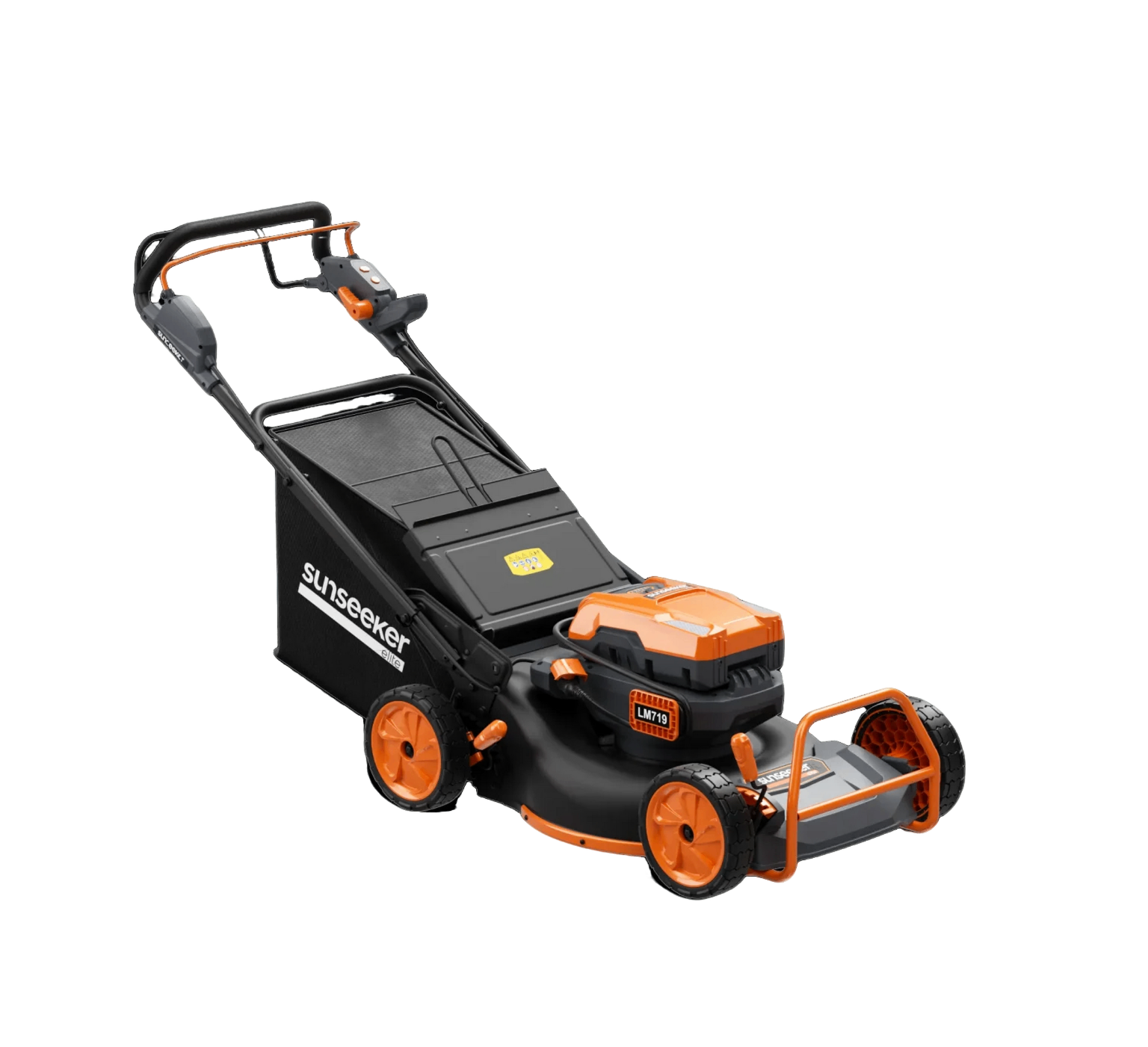
The Sunseeker Elite Lawn Mower (Plug-in Connect) is a strong option for users who still prefer hands-on mowing. It features a 60V commercial platform, 560 mm steel deck, dual blades, seven cutting heights, and 3-in-1 mulching, rear discharge, and bagging. This electric mower is best for homeowners who want durable, flexible cutting without gas-carburetor upkeep.
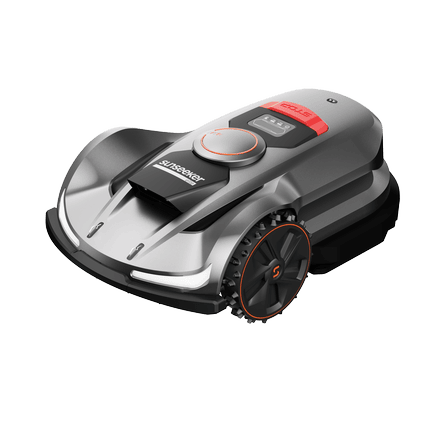
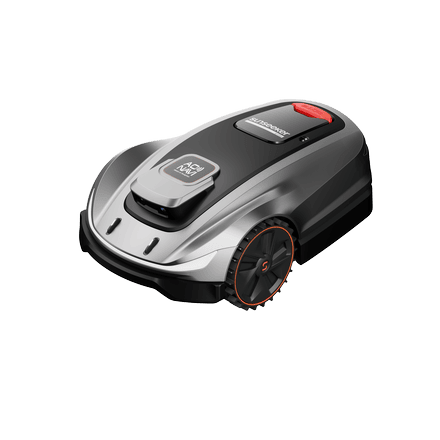
Robot lawn mowers are strong alternatives for homeowners who want a cleaner, easier routine than maintaining a carburetor push mower. They remove the need for gas storage, pull-starting, carburetor cleaning, and weekend mowing sessions. Instead, they trim regularly on a set schedule, helping your lawn stay consistently neat with less hands-on effort.
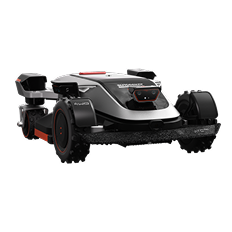
Sunseeker Elite also offers various robot lawn mowers like the Sunseeker Elite X Gen 2 Series with advanced navigation, mapping, blade, and mowing systems for different needs, from compact smart mowing to larger, more complex yards.

A carburetor push mower can be dependable when the fuel system stays clean and the engine gets the right air-fuel mixture. If your mower stalls, surges, smokes, leaks, or loses power, start with fresh fuel, clean airflow, and careful carburetor cleaning before replacing parts.
If the carburetor is badly clogged, damaged, or non-adjustable, a rebuild kit or replacement may be the better fix. For homeowners who want fewer maintenance tasks, electric push mowers and robot lawn mowers provide cleaner, easier alternatives for routine lawn care.
A bad or dirty carburetor often causes hard starting, stalling after a few seconds, rough running, surging, black smoke, fuel leaks, or loss of mowing power. Before replacing it, check fuel quality, air filter condition, spark plug condition, and fuel flow.
Let the engine cool, disconnect the spark plug wire, remove the air filter cover, and clean loose dirt around the carburetor. For light buildup, spray carburetor cleaner into the intake. For deeper clogs, remove the bowl and clean the jet, bowl nut, and passages carefully.
Cleaning or repair is usually better when the carburetor is only dirty, lightly clogged, or needs a gasket. Buying a new one may make more sense if it is cracked, corroded, leaking, badly gummed up, or still unreliable after careful cleaning.
The costs vary by mower brand, engine type, part quality, and whether you do it yourself or use a shop. A simple DIY replacement may only require the carburetor and gaskets, while professional service adds labor. Always compare the repair cost with mower’s age and condition.