


FAQs
11/28/2025
Contents
Products
Residential Lawns


Commercial Landscapes
Explore
Where to Buy


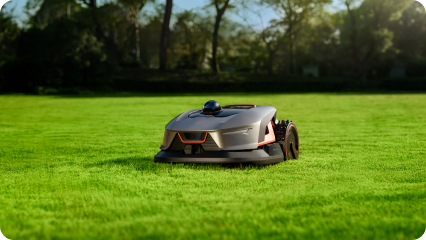
For years, installing those boundary wires for robot mowers has always been the least enjoyable part of the process. Just when you thought you had them perfectly buried, your dog digs one up or a sharp garden tool snags it. But what if you skipped that step? No-boundary robot mowers are here, cutting the cord by using digital intelligence instead of physical wires, and they might just be the future of lawn care.
“No boundary line” refers to robot lawn mowers that do not require physical perimeter wires to define their working area. Instead, they use advanced positioning, sensors, and virtual mapping to recognize lawn boundaries digitally, allowing to understand where it can and cannot cut.
The shift to no-boundary robot mowers represents one of the most significant developments in home lawn care technology. What was once considered experimental has now become the preferred choice for homeowners seeking intelligent, hassle-free automation.
Today's homeowners increasingly value convenience and flexibility in their outdoor spaces. The traditional process of digging trenches and burying perimeter wires conflicts with contemporary lifestyles that prioritize quick setup and minimal maintenance.
Modern gardens have evolved to include dynamic elements like raised beds, modular patios, and frequently updated landscaping designs that make physical wires impractical. No-boundary systems directly address these needs by eliminating installation complexity while supporting the flexible, evolving nature of contemporary garden design.
The journey from innovative concept to dependable product has reached its culmination. Early no-boundary systems faced challenges with signal reliability and navigation accuracy, creating initial market skepticism. These limitations have been overcome through advanced sensor fusion technology that combines RTK-GPS precision with Vision AI recognition and inertial sensor backup systems.
This multi-layered approach ensures continuous operation even when individual systems experience temporary disruptions. Years of real-world testing and algorithm refinement have resulted in navigation systems that consistently deliver professional-grade cutting performance across diverse lawn conditions and terrain types.
If you are interested in learning more details about how wireless robotic lawn mowers navigate, please read our other article Best Robot Lawn Mowers Without Perimeter Wire: Smart Mowing Made Simple.
The expansion of smart home technology has created natural synergy with no-boundary mowing systems. Modern homeowners expect outdoor equipment to offer the same plug-and-play convenience and connectivity as their indoor smart devices.
No-boundary mowers seamlessly integrate with home automation routines, allowing users to control mowing schedules, monitor progress, and receive maintenance alerts through intuitive mobile applications. This ecosystem approach transforms lawn care from a standalone task into an integrated part of whole-home automation, providing the seamless user experience that today's technology consumers have come to expect.
The technical specifications may look great on paper, but what key benefits can these systems bring to you? The answer may surprise you.
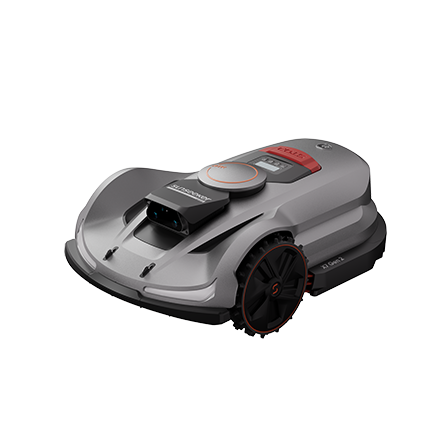
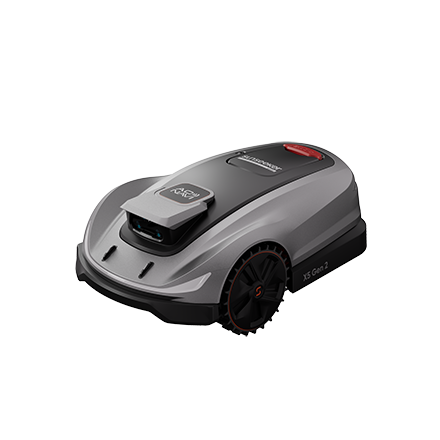
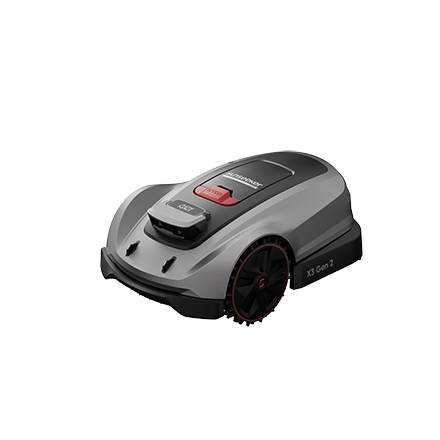
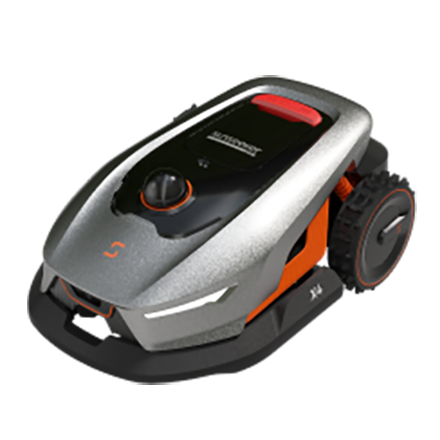
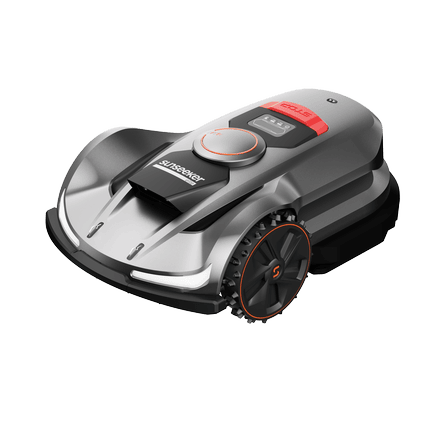
No-boundary robot mowers eliminate the most dreaded part of traditional installation: physical wire laying. Instead of spending hours digging trenches or troubleshooting signal breaks, users can simply place the charging station, activate wireless mapping, and let the mower learn the yard. Models like the Sunseeker X-Series, equipped with fast AONAVI-powered mapping and intuitive smart control through the app, can complete this process in minutes, making the entire setup smooth and beginner-friendly.
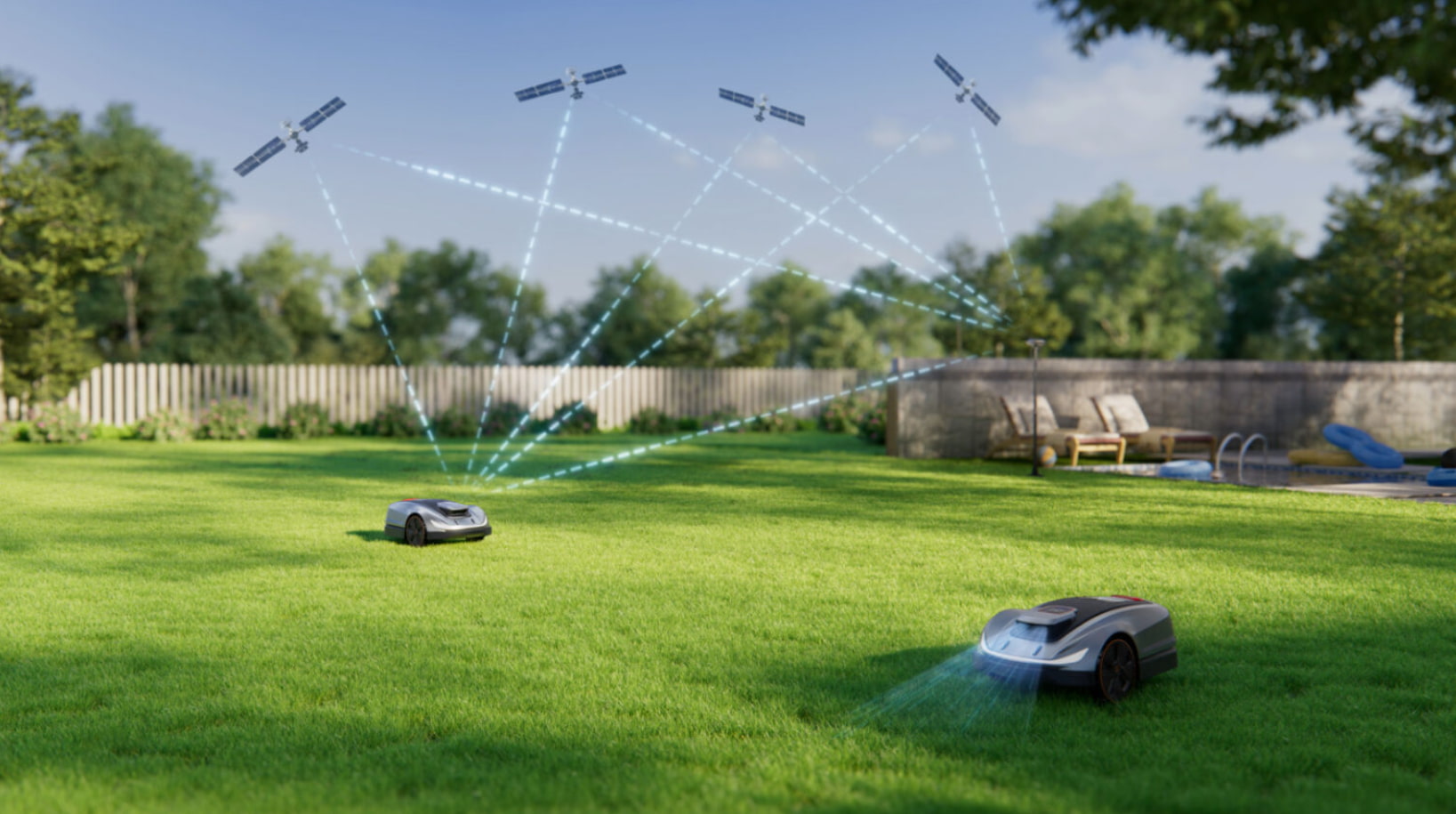
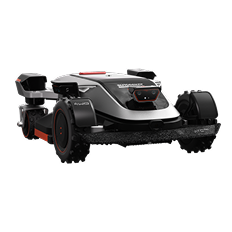
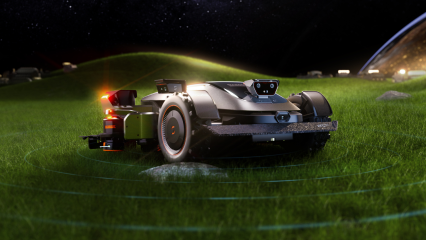
Sunseeker Elite X-series with AONAVI™ System
Virtual boundaries introduce a new level of flexibility that traditional wired systems simply cannot match. Garden layouts can shift over time, plant beds may expand, and outdoor zones often change with the seasons.
With no-boundary systems, users can add or remove no-mow areas, divide the lawn into multiple mowing zones, or make seasonal adjustments such as protecting newly seeded patches or blooming flowerbeds. All updates happen directly within the app, allowing the mower to adapt instantly. As the garden continues to evolve, homeowners can effortlessly refine the layout, making this approach ideal for dynamic, multifunctional outdoor spaces.
Equipped with RTK positioning, multi-sensor fusion, and intelligent routing, no-boundary mowers deliver exceptionally accurate mowing coverage. They avoid the “missed strips” and inconsistent patterns common in older models. Many units maintain optimized mowing paths, adjust cutting strategies automatically, and ensure uniform results across complex or irregular lawns. The outcome is a consistently tidy lawn achieved with minimal user involvement.
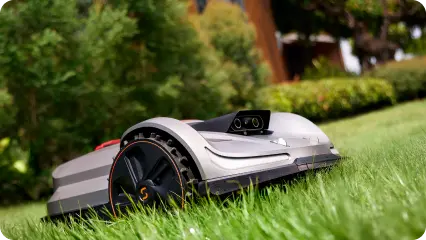
Modern no-boundary systems use rich sensor arrays and visual AI to detect obstacles at various distances and heights, reducing collisions and improving safety. These mowers can recognize pets, toys, garden décor, and even tricky landscaping features, adjusting routes with fluid intelligence. The Sunseeker X-Series elevates this further with 3D visual AI that learns yard characteristics over time, resulting in smoother, more predictable mowing behavior.
Without perimeter wires, gardens remain uncluttered and easier to maintain. No future digging, no exposed cable loops, and no risk of damaged wires surfacing during weather changes or landscaping work. The entire system maintains a clean and modern look aligned with today’s minimalist outdoor design trends. This wire-free approach supports a tidy yard while delivering long-term reliability with fewer hardware components to maintain.
No-boundary robot mowers offer convenience, flexibility, and intelligent automation. They are particularly suited for below key user groups:
Getting the most from your no-boundary mower starts with proper setup and understanding its capabilities. A little preparation goes a long way toward achieving that perfect lawn.
Before your mower's first outing, take a walk around your yard with fresh eyes. Look for potential trouble spots like deep ruts, low-hanging branches, or areas with particularly dense overhead cover. Fill in noticeable holes and consider marking temporary obstacles. This initial assessment helps you understand where your mower might need some extra help or alternative solutions.
Setting up a no-boundary system is remarkably straightforward compared to traditional wired models. For RTK systems, you'll place the base station in a location with good sky visibility, then use the app to map your lawn's boundaries by walking the perimeter. Vision-based systems are even simpler - they typically learn by doing, building their map during initial test runs. The entire process usually takes under an hour, compared to the half-day project of burying wires.
Regular maintenance ensures your mower stays smart season after season. Clean the sensors and cameras weekly during peak mowing season, check for software updates monthly, and give the entire system a thorough inspection each spring. Many modern mowers can even self-diagnose many common issues, alerting you through their app when attention is needed.
No boundary robot mowers represent a major shift in lawn care. They combine smarter navigation, cleaner garden design, and genuinely hands free operation in a way that wired models simply could not match. The setup is fast, the maintenance is light, and the flexibility is huge. If you want a mower that adapts with your lifestyle rather than locking you into a specific garden layout, this new generation is worth considering.
As more brands like Segway, Mammotion, and Sunseeker introduce wire free models with advanced vision technology and improved satellite accuracy, the experience becomes smoother and more accessible every year. Whether your garden is small, large, simple, or full of personality, there is likely a no boundary mower that fits your needs. It may even become your favorite garden tool without ever lifting a finger.
Modern RTK-GPS and Vision AI systems achieve centimeter-level precision, often matching physical wire accuracy. In open areas, virtual boundaries can be even more reliable as they eliminate risks of wire damage or signal breaks that plague traditional systems.
This is one of the key advantages of wire-free models. You can easily modify your lawn's virtual boundaries at any time through the companion smartphone app. There's no need to dig up or reposition any physical wires, making it simple to adapt to new garden layouts, add flower beds, or adjust the cutting area as needed.
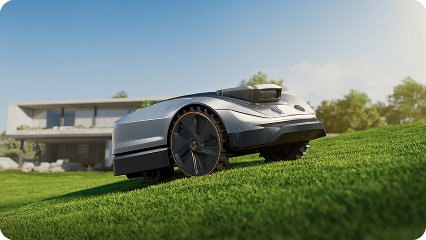
Yes. Using virtual mapping and advanced positioning, these mowers reliably handle curves, narrow passages, and multi-zone layouts. They adjust routes in real-time for consistent coverage and can navigate moderate slopes with ease, making them suitable for most residential landscapes with varied terrain.