


FAQs
12/3/2025
Contents
Products
Residential Lawns

Commercial Landscapes
Explore
Where to Buy


Robot lawn mowers seem like magic - they maintain your grass automatically while you relax. But behind the scenes, these smart machines rely on sophisticated technology. This guide breaks down exactly how robot mowers navigate, cut, charge, and keep your lawn perfectly trimmed without human intervention.
A robot mower is an autonomous device that cuts grass automatically using sensors, navigation systems, and smart scheduling. It operates independently, requiring minimal human input. Compared with traditional riding mowers, robot mowers:
Now that we understand what a robot mower is, let's explore how its core systems work together to make this automation possible.
At the heart of every robot mower is its ability to know where to go and where to avoid. The navigation technology has evolved significantly, offering different approaches suited to various yard types and budgets.
Traditional robot mowers use a boundary wire system that creates an invisible fence around your lawn. This perimeter wire, typically buried just beneath the soil surface or secured with stakes, emits a weak radio signal. The mower constantly monitors this signal with sensors under its chassis, stopping and changing direction when it detects the boundary. It's a reliable, proven system that works well for most residential lawns, though installation requires some initial setup work.
The newer approaches use either GPS-based navigation or Vision AI technology. GPS systems, particularly RTK (Real-Time Kinematic) models, provide centimeter-level accuracy by creating virtual boundaries through satellite positioning.
Alternatively, Vision AI navigation uses cameras and artificial intelligence to visually identify lawn boundaries and obstacles. These wire-free solutions are perfect for properties with multiple zones or frequently changing landscapes, though GPS systems need clearer sky views while Vision AI performs best in good lighting conditions.
Modern robot mowers are equipped with an array of sensors that act as their eyes and ears. Bump sensors detect physical contact with obstacles, causing the mower to stop, reverse, and change direction. More advanced models use ultrasonic sensors that can detect objects before contact, while vision based systems with cameras can identify and categorize obstacles, learning to navigate around common yard features more efficiently over time.
You'll find two main approaches to coverage patterns. Random path mowers use algorithm based movement that appears chaotic but statistically covers the entire area over multiple sessions. They're simpler and cost effective, though potentially less efficient for very large lawns.
Systematic navigation uses straight line patterns, methodically covering the lawn in parallel strips similar to traditional mowing. This approach, often found in GPS enabled models, provides more efficient coverage and can handle complex shapes more effectively. Many advanced systems combine both approaches, using systematic patterns for open areas and random movements for navigating around obstacles.
The actual cutting technology in robot mowers is surprisingly sophisticated, designed specifically for the frequent, light trimming approach that keeps lawns healthy and green.
Unlike traditional mowers that cut large amounts of grass at once, robot mowers use a mulching approach with multiple small, sharp blades. These free floating blades pivot on a central disk, retracting when they hit obstacles to prevent damage.
The system cuts only small amounts of grass each pass, leaving the fine clippings to decompose and nourish the soil. This continuous micro cutting promotes healthier turf growth and eliminates the need for bagging or disposal.
Robot mowers use different drive systems suited to various terrain challenges. Basic models typically rely on two–wheel drive, which works well for flat or gently sloped lawns. For steeper gradients or uneven surfaces, all–wheel drive systems provide stronger traction and more confident climbing.
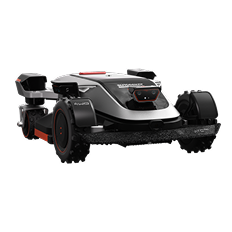
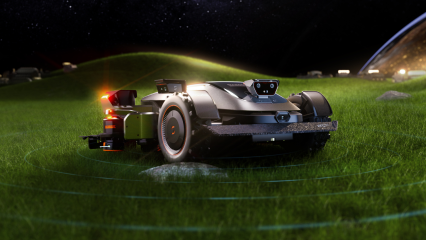
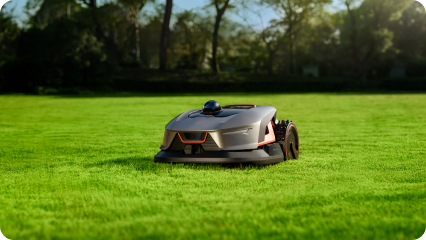
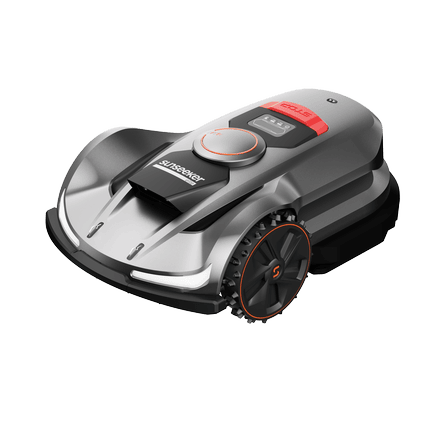
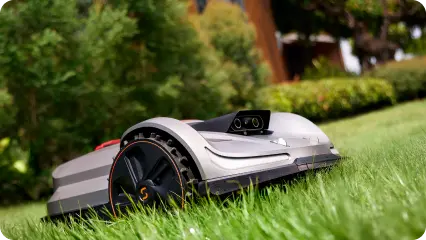
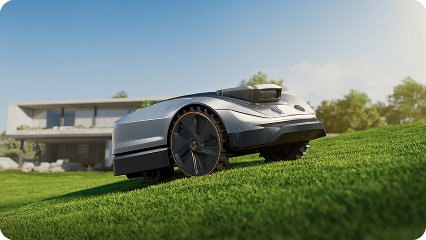
High-end models go even further with articulated or adaptive wheel systems that maintain steady ground contact, keeping cut quality consistent across the entire yard. This is where the Sunseeker Elite X7 stands out. Its ATA All-Terrain Adaptive Drive handles slopes of up to 70 percent with ease. The four-wheel grip and floating cutting system deliver smooth, even cuts on hillsides without slipping or damaging the grass, completing the job in a single pass.
These machines are built to handle various weather conditions. Waterproof ratings from IPX5 to IPX7 allow operation in light to moderate rain, while rain sensors can trigger automatic return to the charging station during heavier downpours. Temperature management systems protect the battery and electronics in both hot and cold conditions, though most models will pause operation during extreme weather for safety reasons.
The power and charging systems ensure robot mowers can maintain your lawn with minimal human intervention, operating autonomously for weeks or even months at a time.
Most robot mowers use lithium ion batteries similar to those in smartphones and laptops, but optimized for the unique demands of lawn care. These batteries provide the right balance of power, weight, and runtime, typically lasting 60 to 120 minutes per charge depending on the model and lawn conditions. Advanced battery management systems optimize power usage, reducing speed on slopes and adjusting performance based on grass thickness and terrain difficulty.
The charging station serves as the mower's home base, using guide wires or wireless signals to help the mower find its way back when the battery runs low. Modern docking systems are remarkably intelligent the mower approaches the station, makes contact with the charging plates, and begins recharging automatically. Most systems can fully recharge in 60 to 90 minutes, ready for the next cutting cycle. This seamless process ensures continuous operation without human intervention.
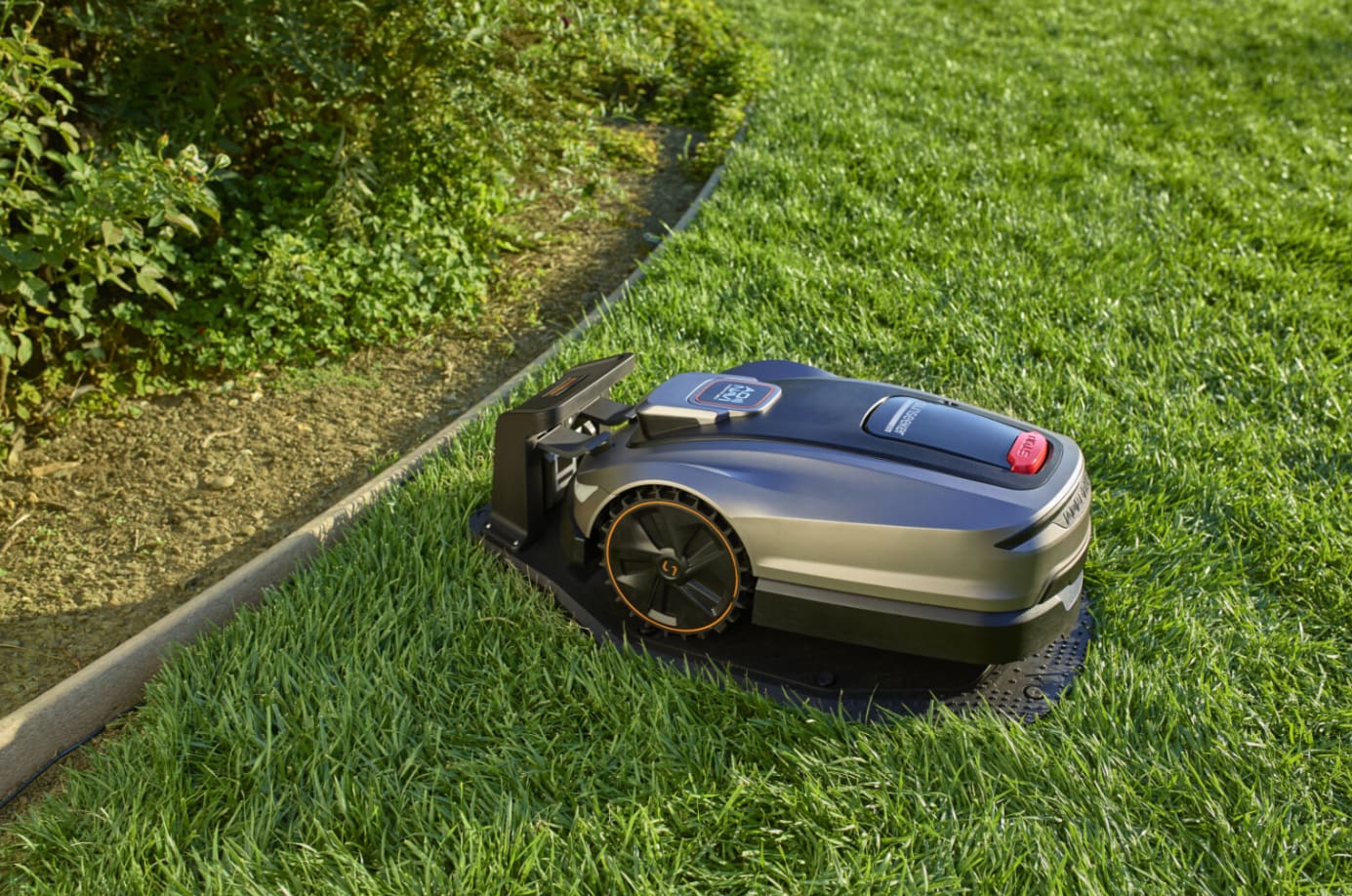
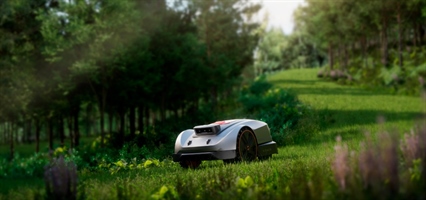
Sunseeker X7 robot mower automatically returning to its charging station
Some manufacturers now offer solar assisted models that extend runtime and reduce energy consumption. These systems use integrated solar panels to supplement battery power during operation, potentially increasing coverage area between charges. While not yet capable of fully solar powered operation, they represent an exciting step toward greater energy independence in robotic lawn care.
Safety is paramount in robot mower design, with multiple layers of protection to ensure safe operation around families, pets, and property.
All modern robot mowers include sensors that immediately stop the cutting blades if the unit is lifted or tilted beyond a safe angle. This crucial safety feature prevents accidents during curious inspection by children or pets. The blades remain stopped until the mower is safely returned to level ground and manually restarted, providing peace of mind for family households.
To prevent unauthorized use or theft, most models require a PIN code to activate operation. This simple but effective security measure ensures that only authorized users can start the mower. Some advanced systems add additional security layers like GPS tracking and movement alarms that alert owners if the mower is moved without permission.
The control systems have evolved from simple timer based programming to sophisticated smart platforms that offer unprecedented convenience and customization.
Modern robot mowers connect to smartphone apps that put complete control in your hand. These apps allow you to schedule mowing times, adjust settings, monitor progress, and receive notifications. The best platforms also prioritize data protection. Sunseeker’s system, for example, is TÜV-certified and GDPR-compliant, ensuring that user data remains secure while still providing an intuitive, guided interface for setup, daily management, tutorials, and troubleshooting.
Advanced scheduling capabilities let you tailor mowing to your lawn's specific needs and your personal preferences. You can set different schedules for weekdays and weekends, create quiet hours for early mornings or evenings, and even adjust frequency based on seasonal growth patterns. For complex properties, zone management allows different areas to be mowed at different frequencies or intensities, optimizing both lawn health and energy usage.
Stay informed about your mower's status no matter where you are. Modern systems send alerts for completed jobs, maintenance needs, or unexpected issues like the mower being stuck or lifted. Some models include cameras for remote property checks, while others integrate with smart home systems such as Amazon Alexa, Google Home, or Apple HomeKit. This enables voice commands and automated routines that sync with other smart devices in your household.
Robot lawn mowers combine advanced navigation, smart charging, and robust safety systems to take one of the most repetitive household tasks off your plate. These machines quietly map your yard, avoid obstacles, maintain cutting schedules, and keep your lawn consistently tidy without supervision. What once felt futuristic is now practical, reliable technology that gives you back valuable time while delivering professional level results.
Ready to transform your lawn care experience? Upgrading to a robotic mower means saying goodbye to weekend chores and embracing a smarter way to maintain your outdoor space. To help you make the perfect choice, our detailed guide breaks down everything you need to know from current market prices of different types to practical tips for choosing the right robot lawn mower. Please explore Our Complete Robot Mower Buying Guide: How Much Does a Robot Lawn Mower Cost? and discover which Sunseeker model matches both your lawn's requirements and your budget, and take the first step toward effortless, precision lawn care today.
Most modern models can operate in damp conditions, though performance varies by brand. Look for models with special blade designs and traction control that prevent grass clumping and maintain grip on wet surfaces.
Yes, but performance may vary. Models with adjustable cutting height and powerful motors can handle most common grass types. For specialized varieties like Zoysia or Bermuda grass, consult manufacturer recommendations for optimal settings.
Yes, many models are specifically designed for slopes. Look for all-wheel drive systems and check the manufacturer's slope rating (typically 35-45%). Proper tire traction and powerful motors enable stable operation on inclines.